Long-Awaited Goal of Korean Medicine: 'Health Insurance Coverage for Herbal Decoctions'
Government to Expand Pilot Project for Herbal Decoction Coverage
Strong Opposition from Medical Community
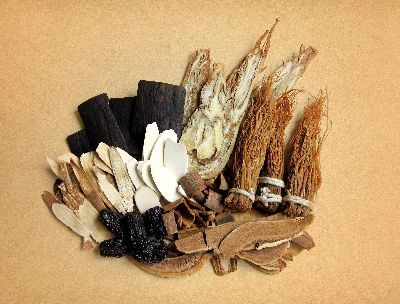
The government has decided to expand the pilot project commonly known as the 'Health Insurance Coverage for Korean Herbal Medicine Prescriptions.' As a result, conflicts between the government and the medical community surrounding this project are expected to continue. While the inclusion of Korean herbal medicine prescriptions under health insurance is a long-standing goal of the Korean medicine community, opinions within the community are divided, making the conflict more complex.
On the 20th, the Ministry of Health and Welfare held a meeting of the Health Insurance Policy Deliberation Committee and reviewed and approved the 'Phase 2 Pilot Project for Health Insurance Coverage of Korean Herbal Medicine Prescriptions.' The coverage of Korean herbal medicine prescriptions aims to reduce the medical expenses burden for patients receiving Korean medicine by including prescriptions for certain diseases under health insurance benefits. The Phase 1 pilot project was implemented in November 2020. Korean herbal medicine prescriptions refer to decoctions made by mixing various herbal medicine preparations, which patients originally had to pay for 100% out of pocket.
The approved Phase 2 pilot project expands the target diseases and institutions compared to Phase 1. In Phase 1, three diseases were covered: facial nerve palsy, sequelae of cerebrovascular disease, and dysmenorrhea. Added to these are lumbar disc herniation, allergic rhinitis, and functional dyspepsia. The pilot project’s scope has also widened from Korean medicine clinics to Korean medicine hospitals and hospitals operating Korean medicine departments.
The coverage criteria have been improved to allow patients to receive prescriptions for up to two diseases per year, with two 10-day prescriptions each. In Phase 1, patients could receive prescriptions for only one disease per year for up to 10 days. The Phase 2 pilot project will start in April next year and continue until December 2026. The Ministry of Health and Welfare plans to evaluate the project upon completion and consider policy transitions.
The medical community strongly opposes the expansion of this project. Kim Gyo-woong, chairman of the Korean Medicine Special Committee of the Korean Medical Association, stated, "Korean medicine prescriptions vary according to individual constitutions," and argued, "Health insurance should not be applied to Korean herbal medicine prescriptions that cannot be standardized or quantified and whose efficacy and safety have not been proven."
The Korean medicine community is also divided over the pilot project for coverage of herbal medicine prescriptions. While the inclusion of Korean herbal medicine prescriptions under health insurance is a long-standing goal of the Korean Medicine Association, practitioners in Korean medicine clinics express dissatisfaction with the low fees set for the pilot project. According to a survey conducted by the Korean Medicine Association among its members from the 22nd to the 24th of last month regarding the implementation of the Phase 2 pilot project, 51.8% were in favor and 48.2% opposed, showing nearly equal division. However, Ahn Deok-geun, vice chairman of insurance at the Korean Medicine Association, stated, "We believe that the expansion of health insurance coverage for herbal medicine prescriptions will activate the pilot project," and "in the long term, coverage should also be expanded to include not only herbal medicine prescriptions but also Korean medicine physical therapies."
Han-yaksa (licensed herbal pharmacists) have expressed dissatisfaction. They had hoped that the pilot project for coverage of herbal medicine prescriptions would lead to the start of 'Korean medicine pharmaceutical separation,' but they criticize that in the pilot project, Korean medicine doctors prescribe while the right of Han-yaksa to prepare the medicine is being ignored. Lim Chae-yoon, president of the Korean Han-yaksa Association, said, "During the three years of the pilot project, only one prescription was brought to Han-yaksa pharmacies."
© The Asia Business Daily(www.asiae.co.kr). All rights reserved.
![Clutching a Stolen Dior Bag, Saying "I Hate Being Poor but Real"... The Grotesque Con of a "Human Knockoff" [Slate]](https://cwcontent.asiae.co.kr/asiaresize/183/2026021902243444107_1771435474.jpg)
















