World Bank Debt Report Released
The World Bank (WB) has issued a warning that debt repayment costs for the poorest countries, hit hard by high interest rates, will surge next year to a 'crisis' level. It was found that one in four developing countries is now struggling to secure funding from abroad.
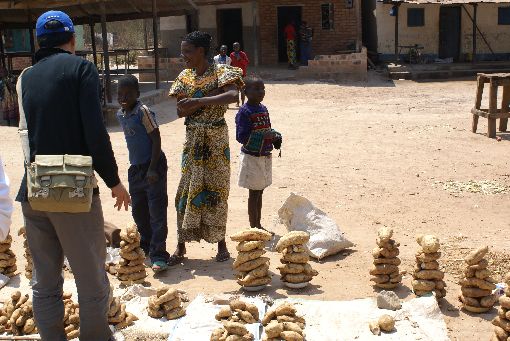
According to the latest debt report released by the WB on the 13th (local time), the 24 poorest countries in the world are estimated to spend $21.5 billion on external government debt repayments next year. This is a 40% increase compared to the expenditure two years ago. The repayment of sovereign bonds reaching maturity and rising interest rates due to high interest rates have increased the expenditure. Last year, low- and middle-income countries’ external debt repayments amounted to $443 billion, a 5% increase compared to the previous year. Interest payments have also surged fourfold over the past decade.
Indermit Gill, the WB’s Chief Economist, diagnosed, "Many countries are on a path toward crisis due to record-high debt levels and high interest rates." He expressed concern, saying, "With high interest rates, more and more developing countries are suffering every quarter. These countries face the difficult choice of whether to repay debt or invest in public health, education, and infrastructure."
As the economy takes a direct hit from high interest rates and high inflation, about 25% of developing countries are already in debt crisis, and their access to overseas funding has been blocked. The WB reported that the proportion of countries facing funding difficulties was less than 5% of developing countries in 2019, but this rate has sharply increased.
Last year, new loans from foreign creditors to emerging markets also fell to the lowest level in 10 years. Private creditors received $185 billion more in repayments from developing countries than the loans they supplied, marking the first time since 2015 that the amount returned exceeded the amount invested.
As the debt crisis in emerging markets accelerates, defaults have also increased significantly. Over the past three years, there have been 18 defaults in developing countries such as Zambia, Sri Lanka, and Ghana, which the WB estimates is more than the total number of defaults over the past 20 years.
Debt pressure weighing on emerging markets is not expected to ease going forward. According to the International Monetary Fund (IMF), the debt-to-GDP ratio of emerging and middle-income countries is projected to rise from 53% ten years ago to 78% by 2028. However, international discussions on debt restructuring for developing countries have shown little progress.
Chief Economist Gill emphasized, "The (debt repayment) costs will not be small," and stressed, "The poorest countries need more assistance than they are currently receiving to reduce their debt."
© The Asia Business Daily(www.asiae.co.kr). All rights reserved.
![Clutching a Stolen Dior Bag, Saying "I Hate Being Poor but Real"... The Grotesque Con of a "Human Knockoff" [Slate]](https://cwcontent.asiae.co.kr/asiaresize/183/2026021902243444107_1771435474.jpg)















