Sanctions Regulations Established for Refusal and Obstruction Cases
The legal basis for police to respond to 112 emergency calls has been established. From now on, if a person obstructs police officers who have responded to a 112 call from entering buildings, a fine will be imposed. Additionally, police will have the authority to order citizens to evacuate during disaster situations.
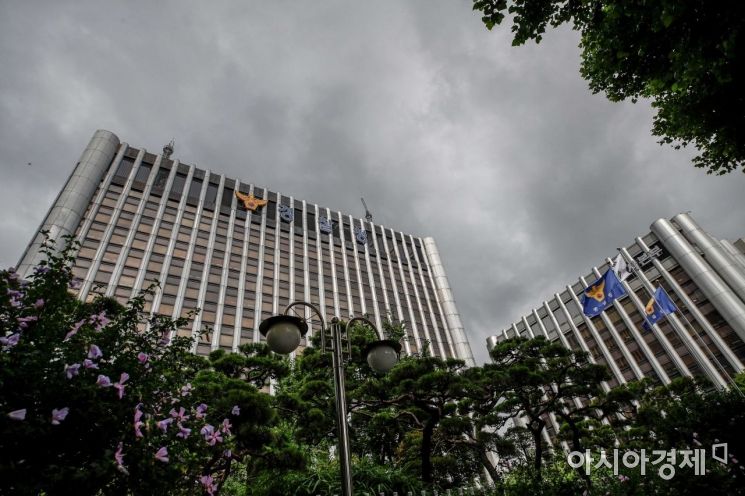
On the 13th, the National Police Agency announced that the “Act on the Operation and Handling of 112 Emergency Calls” (112 Basic Act), which includes these key provisions, has passed the plenary session of the National Assembly.
The 112 emergency call system has been in place since 1957 and has been operated without a separate legal basis, relying instead on the National Police Agency’s administrative regulation, the “112 Comprehensive Security Situation Room Operation and Call Handling Rules.” These rules did not clearly specify the authority of responding officers, leading to criticisms that proactive on-site response and victim protection were limited.
The 112 Basic Act addresses these concerns by expanding the scope of emergency measures and relaxing the preconditions. In cases where a 112 call involves a “risk of imminent serious harm,” police officers are now authorized not only to make “emergency entry” but also to temporarily use, restrict, or dispose of others’ buildings, land, or other property. Refusal or obstruction of these actions will result in fines. Previously, under the Police Duties Execution Act, emergency measures were limited to “entry to prevent danger,” and emergency entry was only permitted when there was an imminent threat in cases such as natural disasters, wartime operations, or imminent criminal acts. A police official stated, “Previously, if an imminent threat was not unfolding before the officer’s eyes, they had to hesitate to take emergency measures. From now on, officers will be able to take actions such as entering buildings or restricting vehicle operation based on their judgment.”
Furthermore, police officers responding to 112 calls will have the authority to issue evacuation orders at the scene during urgent situations involving disasters, accidents, or crimes when human life or body is at risk. Obstruction or refusal of such orders will also incur fines. Currently, evacuation or detention measures are only possible in limited cases including natural disasters, and there are no penalty provisions, making it difficult to respond actively in emergencies. Additionally, to prevent false or prank calls, a new provision imposes fines of up to 5 million won. The 112 Basic Act will take effect in June next year, six months after its promulgation.
© The Asia Business Daily(www.asiae.co.kr). All rights reserved.