OTT Service Prices Increase One After Another
YouTube Premium Raised by About 43%
The fierce inflation wave has also swept through online video service (OTT) platforms. The term 'streamflation' (streaming + inflation) has even emerged due to consecutive price hikes. It refers to the phenomenon where streaming services raise their prices one after another, becoming a burden on household finances.
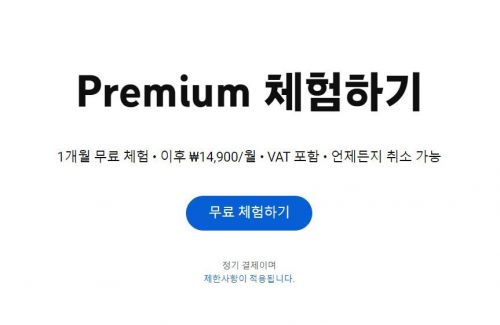
YouTube announced a price increase decision through its customer center notice on the 8th. From that day, the domestic price of 'YouTube Premium,' which allows ad-free video viewing, will rise from the previous 10,450 KRW per month to 14,900 KRW. This is an increase rate of about 43%. It is the first hike in over three years since the price was raised from 8,690 KRW to 10,450 KRW in September 2020.
Disney, Netflix, and Others Effectively Implement Price Increases
The domino effect of domestic OTT price hikes started with Disney Plus, which entered the Korean market in 2021. In October, it chose to segment its pricing plans; features such as allowing four simultaneous connections and high-definition video viewing, which were previously offered at a single monthly rate of 9,900 KRW, now require a payment of 13,900 KRW.
There was not only backlash against the price increase but also criticism regarding its timing. When Disney raised subscription fees by $3 in the U.S. last December, it did not increase domestic prices. However, suspicions arose that the price hike was abruptly decided after the domestic production 'Moving' became a hit. Thanks to 'Moving,' which premiered in August, Disney Plus's monthly active users (MAU) jumped from around 2 million in July to about 3.9 million in September, nearly doubling.
The backlash quickly manifested in numbers. After the price increase was announced, the number of active users appears to be reverting to pre-'Moving' levels.
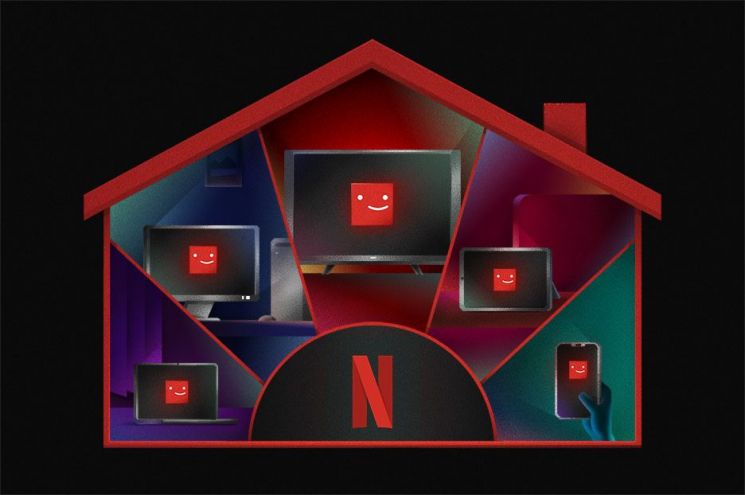
Netflix has taken a stance against account sharing. In October, Netflix declared that account sharing would become a paid service in Korea. If a user who does not live in the same household as the member tries to watch videos on TV using the same account, they must pay an additional 5,000 KRW per month per person. For users who were sharing accounts, this effectively amounts to a price increase.
Domestic OTT service Tving also raised its prices by about 20% this month. The Basic plan increased from 7,900 KRW to 9,500 KRW per month, and the Standard plan rose from 10,990 KRW to 13,500 KRW per month. In the first quarter of next year, Tving plans to launch an ad-supported plan priced at 5,500 KRW per month, the first of its kind among domestic providers, in an effort to appease users.
Tricks to Reduce Subscription Fees on the Rise
Users have sought loopholes and tricks to cope with subscription fee hikes. A representative method is using virtual private networks (VPNs) to change IP addresses overseas. There are even proxy services that change the user's nationality to countries where subscription fees are cheaper than in Korea.
Illegal streaming sites, successors to NunuTV which ceased service last April, are also resurging. Links to bypass illegal sharing sites are spreading through platforms like Telegram.
© The Asia Business Daily(www.asiae.co.kr). All rights reserved.
!["I'd Rather Live as a Glamorous Fake Than as a Poor Real Me"...A Grotesque Success Story Shaking the Korean Psyche [Slate]](https://cwcontent.asiae.co.kr/asiaresize/183/2026021902243444107_1771435474.jpg)


















