Fishermen and Non-Fishing Operators Distressed by Trap Fishing... Significant Impact of 'Rising Water Temperatures'
The catch volume of Dorumuk, a representative winter fish species, has recently decreased sharply. Overfishing and rising water temperatures are cited as the causes.
According to the Gangwon Province Marine Fisheries Bureau on the 5th, the catch volume of Dorumuk until the end of November this year is only 234 tons. Compared to 575 tons last year, it is less than half.
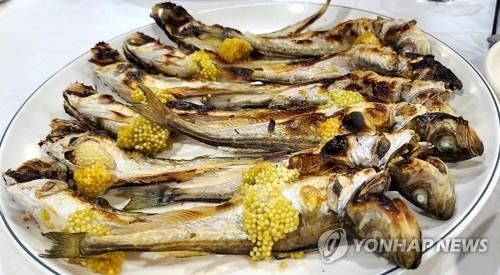
The three-year average catch volume is 1,103 tons, and the catch volume is rapidly declining every year.
Fishermen pointed out that indiscriminate capture of Dorumuk, which gather near the coast for spawning, using traps, dip nets, and cast nets has affected the resource decline. They claim that males are all caught in traps brought by individuals, preventing spawning.
In fact, Dorumuk form large schools from November to January of the following year after reaching three years of age and appear near the coast where seaweed is abundant to spawn. Accordingly, every winter, anglers from all over the country visit the East Coast to catch Dorumuk. It is not difficult to see anglers gathered at breakwaters, rocky shores, and sandy beaches along the East Coast.
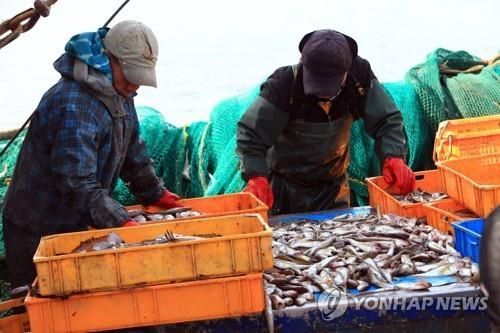
Climate change is also a problem. According to the weekly catch trend report from the Gangwon Province Marine Fisheries Bureau, the coastal water temperature on the East Coast this year rose by 0.5 to 1.8 degrees compared to the average, ranging from 14.3 to 17.9 degrees Celsius. The average water temperature in November rose from 12 degrees in 2002 to 15 degrees after 20 years, and this year it exceeded 16 degrees.
Experts believe that as the water temperature rises, the area of seaweed colonies decreases somewhat, and since Dorumuk have the habit of attaching their eggs to seaweed, their spawning activities may be restricted.
Local governments are also taking the issue seriously and seeking alternatives. Gangwon Province plans to release juvenile fish into the East Coast waters between March and April next year. They have also restarted resource recovery projects this year by creating artificial habitats for Dorumuk in Goseong, Sokcho, and Gangneung. Additionally, measures to restrict non-fishermen from catching spawning Dorumuk with traps are reportedly under consideration.
© The Asia Business Daily(www.asiae.co.kr). All rights reserved.
!["I'd Rather Live as a Glamorous Fake Than as a Poor Real Me"...A Grotesque Success Story Shaking the Korean Psyche [Slate]](https://cwcontent.asiae.co.kr/asiaresize/183/2026021902243444107_1771435474.jpg)

















