Seoul Grand Park to Open Red Panda Exhibit to Public Around March Next Year
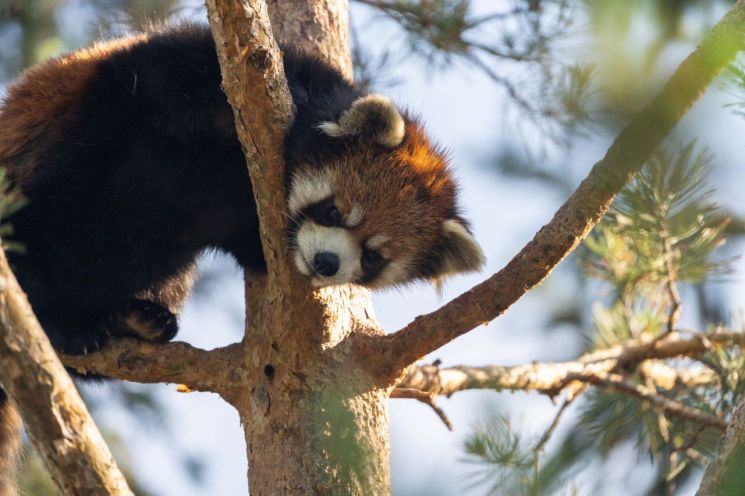
Seoul Grand Park announced on the 1st that three CITES (Convention on International Trade in Endangered Species of Wild Fauna and Flora) Appendix I red pandas, an internationally endangered species, arrived from overseas this month and are currently undergoing quarantine and environmental adaptation. After a sufficient adaptation period, the red pandas are scheduled to be publicly exhibited to citizens around March next year.
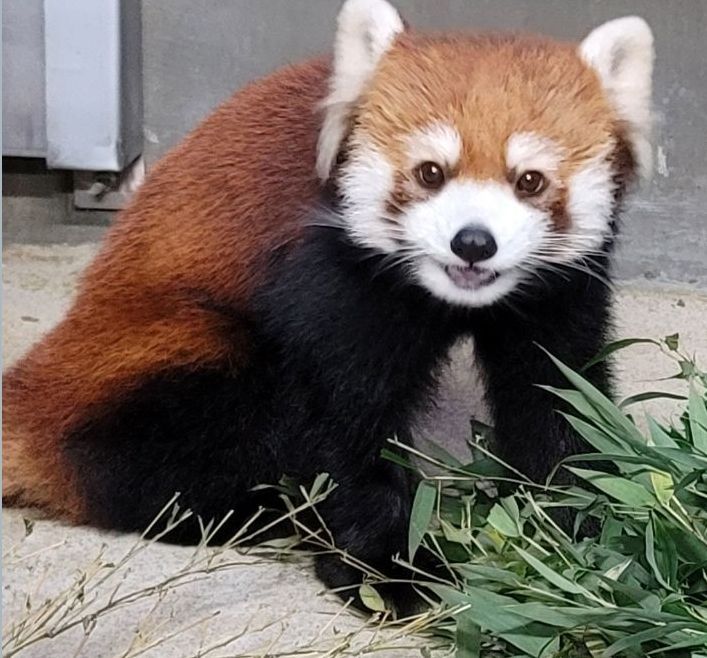
On May 16, under a mutual agreement between Tama Zoo in Japan and Seoul Grand Park, a pair of red pandas arrived from Tama Zoo to Seoul Grand Park on the 27th of last month. On the 20th of the same month, following the recommendation of the AZA SSP (Association of Zoos and Aquariums Species Survival Plan), a male red panda arrived from Calgary Zoo in Canada and is currently adapting. Seoul Grand Park plans to invite red panda experts from JAZA (Japanese Association of Zoos and Aquariums) this December to share detailed information necessary for successful species breeding, including husbandry facilities (indoor enclosures, outdoor yards, etc.), behavioral habits, and nutritional management.
The red panda from Canada is a male born in June 2022 and hails from Calgary Zoo. Among the two pandas from Japan, the female was born in July 2020 at Tama Zoo, and the male, born in July 2019, comes from Saitama Children's Zoo.
Before publicly exhibiting the red pandas to citizens, Seoul Grand Park plans to document the facility improvements and the pandas’ adaptation process on video and share it online through platforms such as YouTube. A public naming contest for the three red pandas will also be held in December.
Meanwhile, since being designated by the Ministry of Environment in 2000 as the first ex-situ conservation institution in Korea, Seoul Grand Park established a native animal species conservation center covering approximately 12,500㎡ in 2022, where it breeds and conserves 214 individuals across 9 species including the Korean goral, leopard cat, otter, black-faced spoonbill, and oriental turtle dove. Notably, in July, two black-faced spoonbills naturally bred at Seoul Grand Park were successfully released into the wild on Ganghwa Island. These birds were hatched artificially after rescuing eggs at risk of submersion on coastal rocks (such as Gaksiiam) and were raised by a mother bird that later laid, hatched, and raised offspring on her own.
Kim Jae-yong, Director of Seoul Grand Park, stated, “We will do our best to successfully carry out the red panda breeding program for the conservation of endangered species,” and added, “Seoul Grand Park will continue to steadily implement mid- to long-term animal species management plans and strive to develop an environment based on animal welfare.”
© The Asia Business Daily(www.asiae.co.kr). All rights reserved.


















