Chinese State Media Suggests Normalization of Lobster and Wine Imports
Market Size Exceeded 600 Billion Won but Conflict Lasted Over 3 Years
"Cooperation Benefits Both Countries" Withdrawal of High Tariffs on Australian Products
China and Australia are set to resume 'lobster exchanges.' As relations between the two countries, which had been heading toward extremes, have recently entered a thawing mood, there are prospects that the Chinese government will normalize imports of Australian lobster and wine.
China to Normalize Imports of Australian Barley, Lobster, and Wine
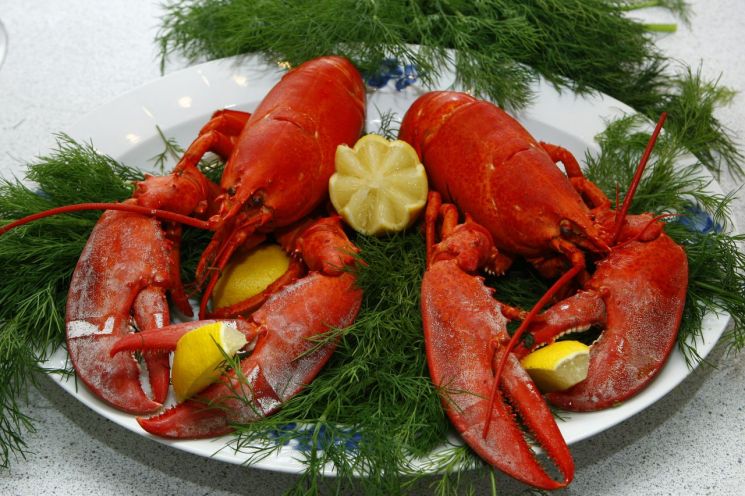
Last month, the Chinese government resumed imports of Australian barley, and on the 22nd, the Chinese state media Global Times reported, citing government sources, that imports of lobster and wine are also planned to be normalized soon. It is reported that related systems are being adjusted so that lobster imports can be normalized by the end of this year and wine imports by no later than May next year.
Due to the US-China conflict, relations between Australia, a US ally, and China had deteriorated. In 2018, Australia excluded China's Huawei from its 5G mobile communication projects at the request of the US, and during the COVID-19 situation in 2020, pressured China alongside the US. Furthermore, in 2021, Australia joined the trilateral military alliance 'AUKUS' with the US and the UK, targeting China.
90% of Australian Lobster Exports Go to China... Hit Hard by High-Intensity Sanctions
The Chinese government did not remain passive. In May 2020, China imposed an 80% anti-dumping tariff on Australian barley exporters. Australian wine faced punitive tariffs of up to 218%, and under the pretext of 'strengthened quarantine,' shipments of Australian lobster were delayed, effectively banning imports.
In particular, the impact was significant because most Australian lobster exports were destined for China. Before the trade dispute between China and Australia occurred, in 2019, about 90% of Australian lobster exports went to China, with the market size reaching $553.7 million annually (approximately 629 billion KRW at the time). During Chinese holidays such as the Lunar New Year, the price of Australian lobster exceeded $100 per kilogram, reflecting its high popularity.
Leaders of Both Countries Join Hands... Trade Normalization Expected
Then, in May last year, with the Labor Party government taking office in Australia and the US-China conflict gradually thawing, changes occurred in the relationship between China and Australia. Last month, imports of Australian barley resumed, and in October alone, China imported about $88.4 million worth of Australian barley.
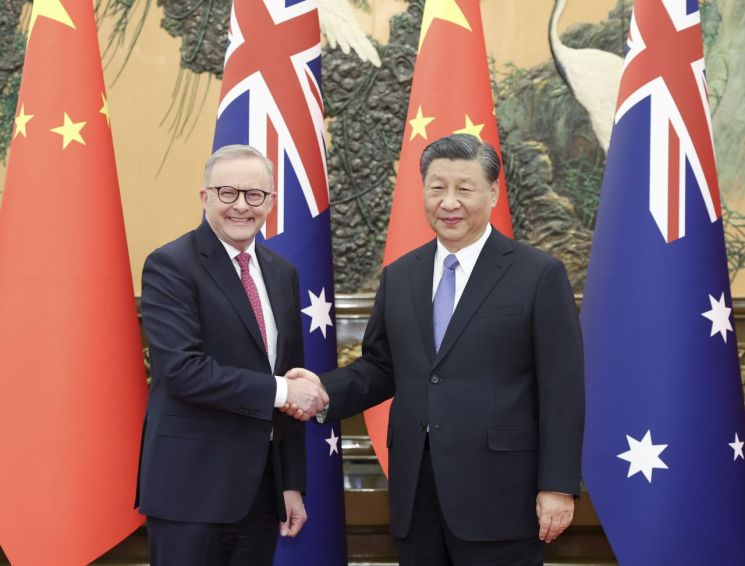
Following this, from November 4 to 7, Australian Prime Minister Anthony Albanese visited China and held talks with President Xi Jinping, signaling cooperation between the two countries. They agreed that "cooperation between the two countries benefits all their people" and concurred on the withdrawal of high tariffs imposed by China on Australian products.
The Labor Party, to which Prime Minister Albanese belongs, is known to emphasize alliances with Asia. In particular, it is evaluated that they aim to revitalize the stagnant economy by increasing exports to China and to gain an advantage in the 2025 general election.
© The Asia Business Daily(www.asiae.co.kr). All rights reserved.


















