7800t Discharge Completed... 4th Discharge Scheduled for Early Next Year
Tepco Begins Compensation Process for Fishermen Affected by Embargo Measures
Tokyo Electric Power Company (TEPCO) has completed the third phase of releasing contaminated water from the Fukushima Daiichi Nuclear Power Plant into the ocean. Despite escalating diplomatic tensions with China, TEPCO plans to proceed with the fourth release scheduled within the year. The Japanese government has also begun compensation procedures for domestic fishermen affected by China's ban on seafood imports, actively working to quell domestic criticism.
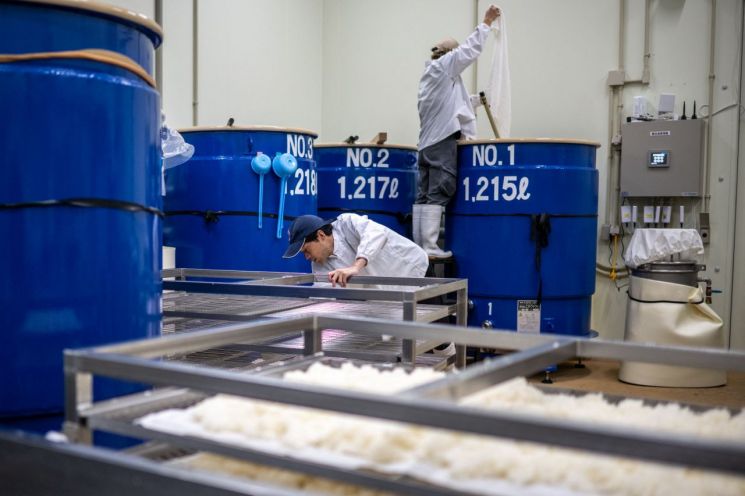
On the 20th, TEPCO announced that the third ocean discharge was completed at 12:01 PM. Since the 2nd, TEPCO diluted approximately 460 tons of contaminated water daily with a large volume of seawater, releasing a total of 7,800 tons into the ocean. The discharge operation was finalized by flushing the remaining water in the transfer pipes with filtered water.
The Japanese government and TEPCO stated that after the contaminated water discharge, regular sampling of seawater and fish around the nuclear plant showed tritium concentrations well below discharge standards, with no abnormalities detected. Kyodo News reported, "As with the first and second discharges, no impact from the contaminated water release has been confirmed on the surrounding seawater and fish."
Previously, TEPCO discharged 7,788 tons during the first phase from August 24 to September 11, and 7,810 tons during the second phase from October 5 to 23 into the sea in front of the Fukushima plant.
TEPCO plans to release a total of 31,200 tons, about 2% of the total stored volume this year, in four phases, with the fourth discharge scheduled for early next year.
Currently, TEPCO stores contaminated water in approximately 1,000 tanks on the premises of the No. 1 nuclear power plant. The third discharge reduced the number of tanks by 16.
Meanwhile, starting today, TEPCO has begun sending documents necessary for compensation claims to businesses affected by reputational damage (fake news) caused by the contaminated water discharge. This marks the official start of compensation procedures for affected fishermen. In response to the discharge, China has completely suspended imports of Japanese seafood, causing Japan's exports to China to drop by 90% year-on-year in September, spreading the impact further.
TEPCO intends to compensate for losses due to price drops and sales declines in seafood and agricultural products caused by reputational damage, as well as costs incurred in responding to overseas bans. From today, TEPCO has started sending the required documents to applicants.
According to NHK, most applicants are fishermen and seafood processors, with 580 applications submitted as of the 14th. Many relate to scallops and sea cucumbers, which were major export items to China.
NHK reported, "TEPCO will investigate the damage based on the submitted documents and calculate compensation amounts as soon as possible to begin payments."
© The Asia Business Daily(www.asiae.co.kr). All rights reserved.

















