20,230 Drug Offenders by September This Year... First 20,000+ in Over 30 Years of Statistics
President Yoon: "We Must Build International Networks to Fight Drug Crimes Threatening Humanity"
The number of drug offenders in South Korea has already surpassed 20,000 as of last month. This figure exceeds the total number of offenders last year, which was around 18,000, marking the first time in over 30 years since the prosecution began compiling drug-related statistics that the number has exceeded 20,000. The prosecution believes that the increase in drug smuggling is causing the spread of drugs domestically.
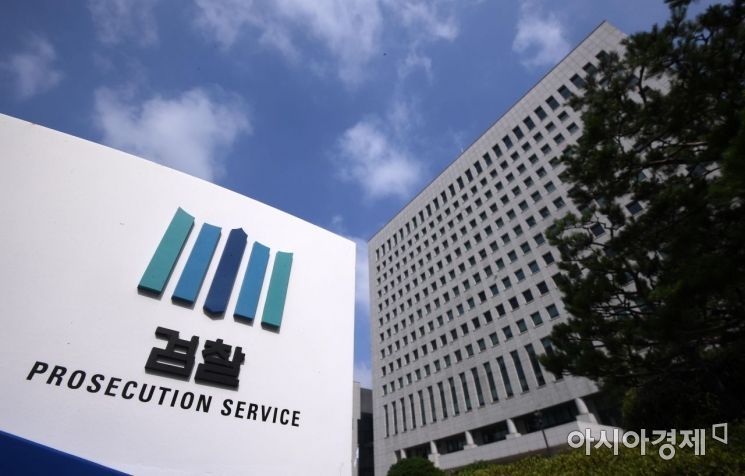
In response, the Supreme Prosecutors' Office will hold the largest-ever "International Cooperation Conference on Drug Control (ADLOMICO)" over two days starting from the 7th, involving four international organizations including the United Nations Office on Drugs and Crime (UNODC), the United States, 22 countries from Asia-Pacific and Europe, and 24 related domestic agencies, to preemptively block the inflow of drugs from overseas.
The International Cooperation Conference on Drug Control, held for the first time in four years due to COVID-19, shared and discussed ▲global drug trends ▲drug crime trends and international cooperation measures of each country ▲major changes related to new types of drugs.
In a video message, President Yoon Seok-yeol stated, "Recently, drug distribution between countries has increased exponentially through the internet and social media, and cross-border drug trafficking exploiting the highly anonymous dark web and virtual currencies is rampant. Drug smuggling using maritime cargo, international mail, and body packers is still prevalent, necessitating transnational cooperation. We must build a robust network between countries to strongly combat drug crimes threatening humanity, and I hope this conference will bring us one step closer to the shared goal of a 'world safe from drugs.'"
The number of foreign drug offenders detected up to August this year totaled 2,039, a 29.8% increase compared to 1,571 during the same period last year. Foreign drug offenders have nearly tripled in the past five years, with about 20% being smuggling offenders, which is a major cause of the increase in domestic drug smuggling. Almost all drugs distributed domestically are smuggled in from overseas, and the quantity continues to rise.
Due to the diversification of overseas supply routes and the normalization of drug smuggling through the dark web and social media, blocking the inflow of drugs into the country through international cooperation has become even more important. Ultimately, it has become necessary to strengthen the drug control capabilities of major source countries of drugs entering the country and to conduct local investigations through information sharing on overseas drug supply and production sites.
Prosecutor General Lee Won-seok emphasized in his opening remarks, "We who have gathered today must firmly cooperate and unite so that drugs can no longer take root in our future and the future of our children. Let us jointly block cross-border drug transactions and thoroughly recover criminal proceeds so that children can no longer encounter drugs in their daily lives."
The Supreme Prosecutors' Office also held the APICC (Asia-Pacific Drug Information Coordination Center) General Assembly the day before the International Cooperation Conference on Drug Control. The APICC was established in September 2012, led by the Supreme Prosecutors' Office's Drug Division, to enable rapid information exchange and investigative cooperation among Asia-Pacific countries. The secretariat is installed in the Supreme Prosecutors' Office's Drug Division, and it is an international consultative body composed of 10 ASEAN countries.
Individual bilateral meetings were also held to prepare joint response measures with seven countries, including Malaysia, Thailand, and Vietnam, which are recent frequent sources of drugs entering the country. At this meeting, the Supreme Prosecutors' Office and drug investigation agencies of each country discussed cooperation measures such as mutual exchange of investigative information and providing tracking clues on smugglers.
The prosecution evaluated that through this conference, not only 23 countries including South Korea, the United States, Japan, Thailand, and Vietnam but also drug officials from four international organizations including the United Nations Office on Drugs and Crime (UNODC) and the International Narcotics Control Board (INCB) shared information on global drug trends and created an opportunity to strengthen international cooperation and collaboration.
© The Asia Business Daily(www.asiae.co.kr). All rights reserved.

















