Non-Homeowners Age 17 Days Faster Annually
Found Worse for Health Than Smoking and Obesity
A study has found that 'housing insecurity,' such as living in monthly rental housing, accelerates biological aging more than smoking or obesity.
According to recent reports from foreign media including Forbes and BBC, research teams from the University of Essex in the UK and the University of Adelaide in Australia recently published a paper in the Journal of Epidemiology and Community Health stating that 'living in monthly rental housing' causes biological aging at a higher rate than unemployment or smoking and has a substantial impact on health.
Biological aging refers to the deterioration of the function of bodily tissues and cells regardless of actual age and is accelerated in stressful situations.
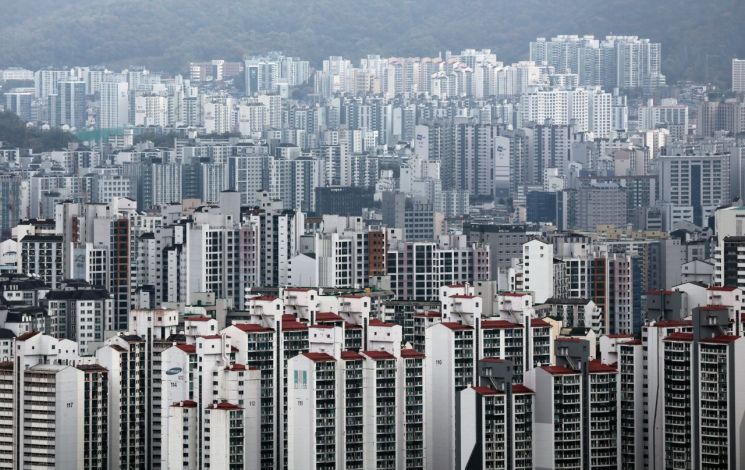 Contrary to the forecast that the reverse jeonse phenomenon caused by the decline in jeonse prices would become full-fledged from the second half of this year, apartment jeonse prices are continuing to rise not only in Seoul but also nationwide.
 [Photo by Yonhap News]
The research team collected housing environment data (rental period and cost, building type, presence of central heating, government support, etc.) and health information from 1,420 participants in the UK Household Panel Survey (BHPS). Additionally, they collected DNA samples through blood tests to investigate the participants' biological aging rates.
According to the results, homeless individuals aged biologically 17 days faster per year compared to homeowners. This rate is faster than the aging acceleration caused by unemployment (9.9 days), obesity (8.4 days), or smoking (7.7 days). The research team analyzed that insecure housing environments?such as insufficient funds to pay rent, the hassle of moving, and stigma associated with renting?induced high stress on the body.
Poor Housing Conditions Also Cause Accelerated Aging
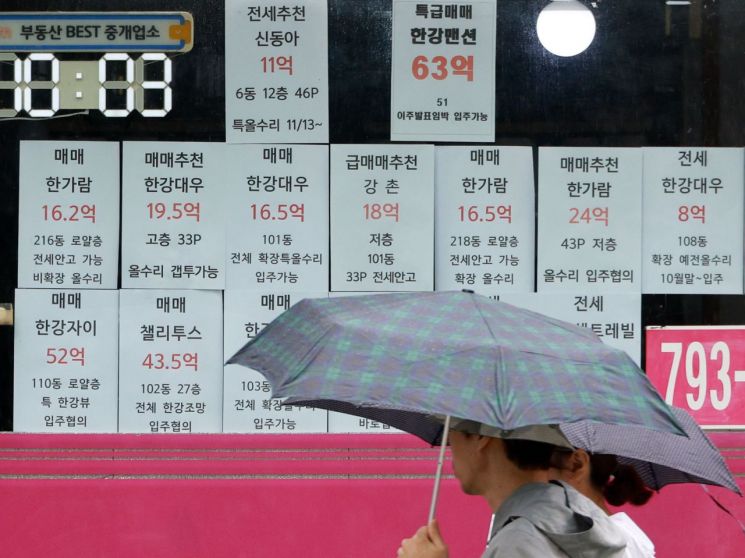 Last month, during the autumn moving season, the proportion of jeonse transactions for apartments in Seoul reached its highest level in 2 years and 4 months.
 [Photo by Yonhap News]
Furthermore, poor housing conditions were identified as another cause of accelerated aging. Living in cramped spaces was found to age people 5.1 days faster annually. Poor housing conditions lacking heating facilities accelerated aging by 8.8 days, and leakage issues caused aging to accelerate by 4.8 days.
Amy Clare, a researcher at the Australian Housing Research Centre who participated in the study, explained, "Affordable housing costs for tenants, stable rental periods, and living environments had real and significant effects on health outcomes. The rate of biological aging was directly related to health deterioration, increased risk of chronic diseases, and mortality."
Dan Wilson Crow, vice president of Generation Rent, a UK housing improvement organization, said, "Housing conditions are very important for individual health. When it is uncertain how long one can live in a home, the body experiences excessive stress."
However, the research team noted, "Aging accelerates in stressful situations, but if the stress stops, the rate can be alleviated."
Meanwhile, according to a Statistics Korea announcement around December 2022, as of 2021, more than half of the middle-aged population aged 40 to 64 in South Korea had not purchased their own homes, and nearly 60% had bank debt.
The homeownership rate was highest among those in their early 60s at 46.0%, decreasing with younger age groups, with those in their early 40s at only 39.7%.
© The Asia Business Daily(www.asiae.co.kr). All rights reserved.
!["The Woman Who Threw Herself into the Water Clutching a Stolen Dior Bag"...A Grotesque Success Story That Shakes the Korean Psyche [Slate]](https://cwcontent.asiae.co.kr/asiaresize/183/2026021902243444107_1771435474.jpg)

















