KCDC Releases Community Health Survey Data
Obesity Rate Increasing Since Pandemic Peak
Alcohol Consumption Decreased Then Rising Again
Since the COVID-19 pandemic, smoking and drinking rates have decreased, but obesity rates have increased.
On the 26th, the Korea Disease Control and Prevention Agency (KDCA) announced the results of a comparative analysis of community health surveys conducted before and after the COVID-19 outbreak. The community health survey was conducted by interviewers visiting households in 258 cities, counties, and districts nationwide, targeting approximately 230,000 adults aged 19 and older.
The current smoking rate among Korean adults was 19.4% after the COVID-19 outbreak, a decrease of 1.8 percentage points from 21.2% before the outbreak. The current smoking rate among men was 35.8% after the outbreak, down 3.8 percentage points from 39.6% before the outbreak. Smoking-related indicators have shown a decreasing trend from before the COVID-19 outbreak until now.
The monthly drinking rate was 55.4% after the COVID-19 outbreak, a decrease of 5.4 percentage points from 60.8% before the outbreak. The high-risk drinking rate was 11.5% after the outbreak, down 3.3 percentage points from 14.8% before the outbreak. Drinking-related indicators showed a continuous decline before the COVID-19 outbreak, but tended to increase again after the peak of the outbreak.
The walking practice rate increased by 0.6 percentage points to 41.6% after the COVID-19 outbreak compared to 41.0% before the outbreak, while moderate or higher physical activity decreased by 2.5 percentage points to 21.0% after the outbreak from 23.5% before. Physical activity-related indicators decreased due to the COVID-19 outbreak but recovered after the peak of the outbreak.
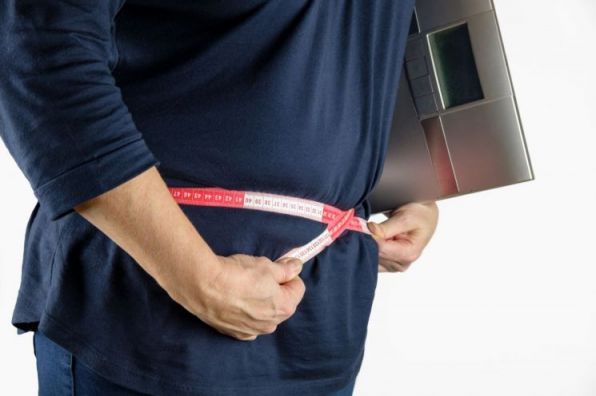
The rate of attempts to control weight increased by 3.5 percentage points to 65.6% after the COVID-19 outbreak compared to 62.1% before, and the obesity rate (self-reported) increased by 1.8 percentage points to 32.0% after the outbreak from 30.2% before. The self-reported obesity rate slightly decreased in the early stages of the COVID-19 outbreak but tended to increase again after the peak.
The annual unmet medical needs rate decreased by 3.3 percentage points to 5.3% after the COVID-19 outbreak compared to 8.6% before, and the annual influenza vaccination rate increased by 5.4 percentage points to 45.2% after the outbreak from 39.8% before. Medical utilization-related indicators improved more after the COVID-19 outbreak than before.
In conclusion, smoking, drinking, and medical utilization showed improvement trends after the COVID-19 outbreak. However, obesity showed a continuous worsening trend.
Jiyoungmi, Commissioner of the Korea Disease Control and Prevention Agency, emphasized, “It is presumed that the difficulty of outdoor activities in the early stages of COVID-19 affected the reduction in physical activity. In future infectious disease pandemics, it is necessary to consider this and establish guidelines that allow for consistent physical activity indoors.”
© The Asia Business Daily(www.asiae.co.kr). All rights reserved.

















