Americans paid approximately $130 billion (about 176 trillion won) in credit card interest and fees last year. Credit card late fees also surged by double digits. As the trend of high interest rates and high inflation continues, warnings are pouring in that the situation could worsen further in the future.
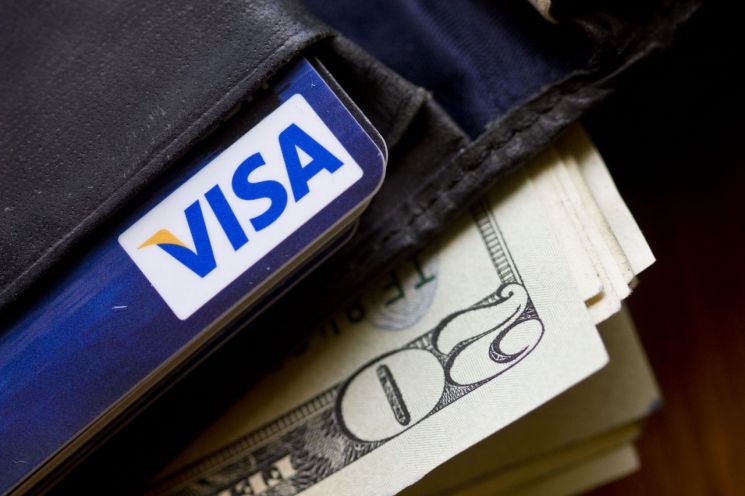
According to a report from the U.S. Consumer Financial Protection Bureau (CFPB) on the 25th (local time), credit card interest last year amounted to $105 billion, and fees totaled $25 billion. This is the highest amount since the CFPB began compiling data. The CFPB stated, "As Americans spend more on credit cards and borrowing costs increase, interest expenses have been on the rise since mid-2021."
In a separate report recently analyzed by WalletHub based on data from the Federal Financial Institutions Examination Council (FFIEC), the amount paid by U.S. credit card holders in interest and fees last year was estimated at approximately $163.89 billion. Matt Schulz, Chief Credit Analyst at LendingTree, commented, "It is not surprising that the amount increased further in 2023."
The Federal Reserve (Fed), which declared a war on inflation, raised the benchmark interest rate 11 times since March last year, pushing credit card loan interest rates to record highs. However, due to high living costs, Americans' reliance on credit cards has increased. According to the Federal Reserve Bank of New York, Americans' credit card debt surpassed $1 trillion in the second quarter, reaching an all-time high. Compared to the pre-pandemic period, the number of credit card accounts has also increased by more than 7 million.
In particular, the report confirmed that 1 in 10 (9.9%) general-purpose U.S. credit card accounts?not corporate accounts?are in a state of "persistent debt." This means that more is being paid in fees and interest than in principal repayment. This ratio is even higher than the 8.4% recorded before the pandemic in 2021. The CFPB pointed to factors such as reduced wages after adjusting for inflation and increased borrowing costs, expressing concern that "people are trapped by interest and fees."
Last year, credit card late fees increased by 28% compared to the previous year, totaling $14.5 billion. In the fourth quarter of last year, late fees exceeded $4 billion for the first time on a quarterly basis. Those with lower credit scores were hit harder by late fees. Subprime borrowers accounted for only 6% of credit card accounts but made up 28% of last year's late fees. In contrast, those with high credit scores accounted for about 6% of late fees. The CFPB also announced a regulation at the beginning of the year to cap late fees at $8.
Additionally, 13% of general-purpose credit card accounts were found to be paying only the minimum monthly payment. Among subprime borrowers' credit card accounts, this proportion reached about one-third (31%). CNN warned, "A significant number of Americans are paying only the minimum on their credit card loans, which not only increases the total borrowing cost but also delays the repayment period."
© The Asia Business Daily(www.asiae.co.kr). All rights reserved.
![Clutching a Stolen Dior Bag, Saying "I Hate Being Poor but Real"... The Grotesque Con of a "Human Knockoff" [Slate]](https://cwcontent.asiae.co.kr/asiaresize/183/2026021902243444107_1771435474.jpg)
















