45.9% of Medical School Graduates Employed in Seoul
Only 29.1% of Medical School Graduates Are from Seoul Area
From 2017 to the end of December 2021, it was found that nearly half, 45.9%, of students who graduated from medical schools nationwide were employed in the Seoul area.
Including Incheon and Gyeonggi, the number of medical graduates employed in the metropolitan area reached 57.7%, indicating that a significant portion of medical personnel trained in regional medical schools are being drawn to the metropolitan area.
In particular, in the Gyeongbuk and Ulsan regions, only 3.2% and 7.0% respectively of medical school graduates were employed in their respective regions, and in Jeonnam, which has no medical school, only 2.5% of all medical graduates were employed in the Jeonnam area.
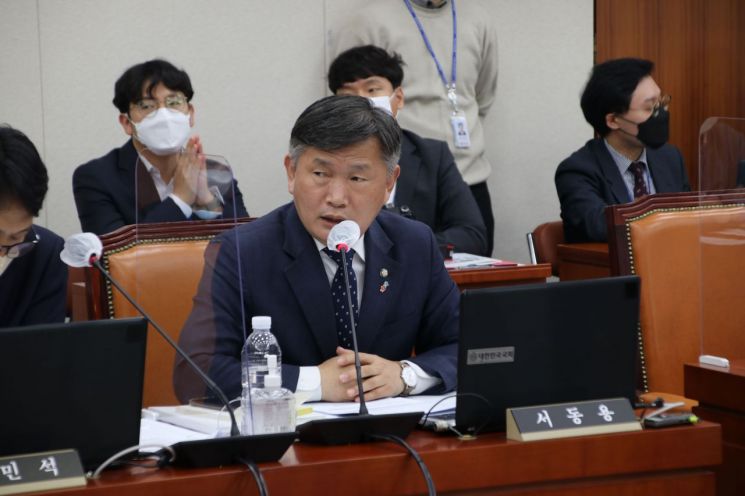
According to an analysis of the employment status of medical school graduates nationwide from 2017 to December 31, 2021, submitted by the Ministry of Education to Seo Dong-yong (Jeonnam Suncheon · Gwangyang · Gokseong · Gurye-eul) of the Democratic Party’s National Assembly Education Committee, out of 8,501 analyzed graduates, more than half, 4,901 (57.7%), were employed in the metropolitan area.
Especially, the number of those employed in the Seoul area reached nearly half, 3,906 (45.9%).
Considering that during the same period, only 29.1% of medical graduates nationwide graduated from universities located in Seoul, and 31.8% graduated from universities in the metropolitan area, it was confirmed that a significant number of graduates from non-metropolitan medical schools are flocking to hospitals in the metropolitan and Seoul areas.
By university location, most graduates from universities in Seoul, Incheon, and Gyeonggi were employed in the metropolitan area, followed by high metropolitan employment rates among graduates from universities in Ulsan, Gangwon, and Chungnam.
Seoul, Incheon, and Gyeonggi had metropolitan employment rates of 89.1%, 89.5%, and 90.9%, respectively, while Ulsan, Gangwon, and Chungnam had 80.5%, 63.4%, and 59.4% metropolitan employment rates.
In particular, 76.8% of graduates from the Ulsan area were employed in Seoul.
Only 29.1% of medical graduates graduated from universities located in Seoul, and graduates from medical schools in the metropolitan area including Incheon and Gyeonggi accounted for only 31.8% of all medical graduates, raising concerns that the original intent of allocating quotas to regional medical schools to expand local medical infrastructure is being undermined.
In fact, among the 8,501 medical graduates analyzed, only 4,215 (49.6%) were employed at hospitals in the regions where they graduated, just about half, while 3,906 (45.9%) were employed at hospitals located in Seoul, showing a strong concentration of medical graduates in Seoul.
Especially, among the regions where medical graduates were employed, Ulsan (0.7%), Chungbuk (1.7%), Gyeongbuk (1.7%), Jeonnam (2.5%), and Gyeongnam (2.6%) were confirmed to be experiencing shortages in medical personnel supply.
Regarding this, Assemblyman Seo Dong-yong stated, “Although quotas were allocated to regional medical schools to address regional medical service gaps, graduates from these regional medical schools are not staying in their regions but are flocking to Seoul and the metropolitan area,” and added, “Even if the number of medical school quotas is increased, for regions without medical schools, the establishment of medical schools at national universities and the introduction of a regional doctor system should be considered together to ensure that doctors remain in those regions.”
© The Asia Business Daily(www.asiae.co.kr). All rights reserved.
![Clutching a Stolen Dior Bag, Saying "I Hate Being Poor but Real"... The Grotesque Con of a "Human Knockoff" [Slate]](https://cwcontent.asiae.co.kr/asiaresize/183/2026021902243444107_1771435474.jpg)
















