Additional contaminated water continues to occur... "No solution in sight"
Tokyo Electric Power Company (TEPCO) has begun the second phase of ocean discharge of contaminated water from the Fukushima Daiichi Nuclear Power Plant in Japan, but criticism has arisen that it still has not devised measures to prevent additional contaminated water generation. If additional contaminated water generation cannot be prevented, ocean discharge will have to continue until the reactor is decommissioned.
On the 6th, the Tokyo Shimbun reported that TEPCO has not presented a solution to prevent additional contaminated water generation.
According to the report, TEPCO explained measures to prevent additional contaminated water generation at a review meeting of the Nuclear Regulation Authority of Japan on the 5th, when the second ocean discharge began.
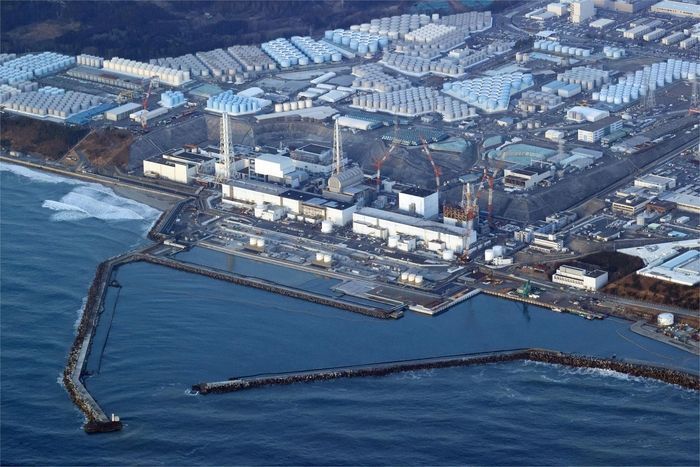 A view of the Fukushima Daiichi Nuclear Power Plant located in Fukushima Prefecture, Japan. Photo by AP and Yonhap News.
At the Fukushima Daiichi Nuclear Power Plant, melted nuclear fuel debris (debris), cooling water used to cool it, as well as groundwater and rainwater flow into the reactor, continuously generating contaminated water. However, no method has been established to completely stop the generation of contaminated water, which has led to ongoing concerns that it is difficult to predict the time required to complete the discharge.
Although the second discharge has started, it appears that the solution to prevent additional contaminated water generation remains unclear. At the meeting, TEPCO mentioned measures to block groundwater inflow, such as surrounding the underground area of the reactor facility with steel plates or other structures, or injecting special liquids underground to prevent water penetration. They stated they would conduct investigations aiming for 2028 to find specific implementation methods, but the issue is the feasibility of these plans.
One member attending the meeting responded to TEPCO's explanation by saying, "I don't see what is possible," and another attendee expressed skepticism, saying, "I don't know what the ultimate goal is," according to the newspaper. TEPCO officials only said, "We will review it going forward," without providing detailed explanations.
Meanwhile, the Japanese government has presented a plan to decommission the Fukushima nuclear power plant around 2051 after removing nuclear fuel debris. However, experts within Japan criticize this as an unattainable goal.
Hiroshi Miyano, Chair of the Decommissioning Review Committee of the Atomic Energy Society of Japan, pointed out in an interview with the Asahi Shimbun last month that "The plan put forward by the Japanese government and TEPCO to complete decommissioning and contaminated water discharge by 2051 is technically impossible."
He said, "Even for general nuclear power plants without accidents, decommissioning work takes 30 to 40 years when starting with the assumption that there is no nuclear fuel in the core. The Fukushima plant still has debris in the core, and they are only now at the stage of collecting samples of the fragments, so decommissioning by 2051 is impossible."
Miyano also pointed out, "Contaminated water increases as rainwater and groundwater seep into buildings where debris remains. If there is no prospect of 'zero generation' measures such as water barriers to seal gaps in the buildings, the problem will continue."
© The Asia Business Daily(www.asiae.co.kr). All rights reserved.

















