For Sustainable Management, Management Innovation Is Inevitable; Dialogue and Compromise Between Labor and Management Crucial... Focus on Minimizing Citizen Inconvenience Through Essential Service Agreements Amid 1-8 Line Strikes
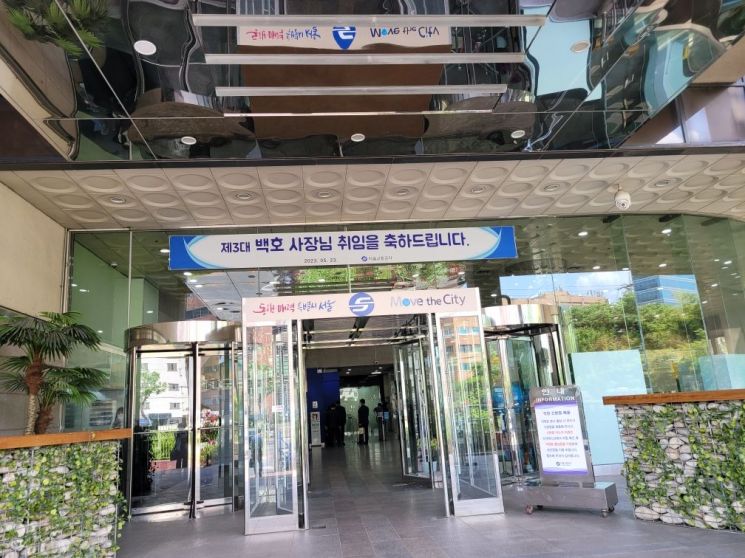
Seoul Metro (President Baek Ho) is once again experiencing labor-management tensions over the management innovation plan during the 2023 wage and collective bargaining process with the union joint bargaining group of both labor unions (hereinafter referred to as the ‘Joint Bargaining Group’).
Since the first main negotiation began on July 11 this year, the company and the Joint Bargaining Group have held a total of 10 negotiation sessions (3 main negotiations and 7 working-level negotiations). At the 3rd main negotiation (September 6, 2023), the talks broke down as both sides failed to narrow their differences regarding the company’s management innovation and the Joint Bargaining Group’s demand for additional on-site safety personnel.
In protest against the company’s push for management innovation, the Joint Bargaining Group conducted picketing and sit-ins in front of the headquarters for 10 days (September 11?20, 2023) and resolved to initiate a labor dispute at the delegates’ meeting on September 21, 2023.
After applying for labor dispute mediation with the Seoul Regional Labor Relations Commission (October 4, 2023) and conducting a strike vote (October 12?16, 2023), they plan to proceed with a general strike in November.
However, the Seoul Metro Proper Labor Union, which is not part of the Joint Bargaining Group, is expected not to officially participate in the strike.
In preparation for the general strike, the company has signed a working-level agreement to secure the minimum personnel necessary for subway operations to minimize inconvenience to passengers.
In particular, on September 25, 2023, the company signed a working-level agreement with the Joint Bargaining Group on essential maintenance duties, which allows employees to return to work within necessary limits even during a strike in cases of natural disasters or social disasters such as fine dust.
Emergency transportation measures by sector will be implemented to maintain train intervals during peak commuting hours and ensure that the daily lives of Seoul citizens are not disrupted.
Additionally, the company is exploring ways to resume negotiations with the Joint Bargaining Group in parallel with strike countermeasures.
While continuing to pursue management innovation for business normalization, the company plans to maintain dialogue with the Joint Bargaining Group by preparing alternatives such as securing on-site safety.
Baek Ho, President of Seoul Metro, stated, “For sustainable company management, close communication and a willingness to compromise are urgently needed rather than confrontation and conflict between labor and management.” He added, “I hope that labor and management will unite with a sense of ownership over the company’s management and successfully conclude this year’s wage and collective bargaining, thereby fulfilling the responsibility of a public institution that provides transportation convenience to the citizens of Seoul.”
© The Asia Business Daily(www.asiae.co.kr). All rights reserved.

















