Amid Continued Ban on Seafood Imports
Seafood Processed Food Imports Are Not Prohibited
Over 530 Tons of Fukushima-Produced Seafood Processed Foods Imported in 10 Years
Following the Fukushima nuclear power plant accident in Japan, import bans on seafood from Fukushima and seven neighboring prefectures have continued, but it has been revealed that imports of processed seafood products have persisted.
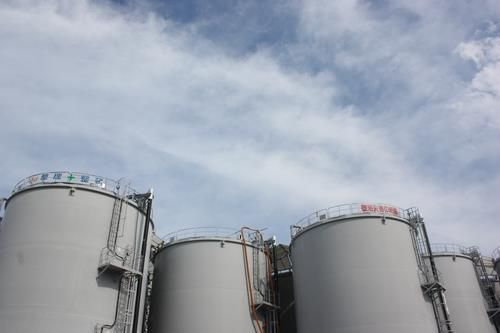
According to data on 'Imports of Processed Seafood Products from Fukushima' received by Kim Young-joo, a member of the National Assembly's Health and Welfare Committee (Democratic Party), from the Ministry of Food and Drug Safety, more than 1,400 cases of processed seafood products produced in eight prefectures including Fukushima (Aomori, Iwate, Miyagi, Fukushima, Ibaraki, Tochigi, Gunma, Chiba) have been imported since 2013. The total volume amounts to 659 tons. Among these, products from Fukushima Prefecture account for more than 80%, totaling 530 tons.
Despite the government's ban on seafood imports from the eight prefectures near Fukushima, processed seafood products such as dried fish and seasoned salted fish have continued to be imported. Even after the commencement of contaminated water discharge, imports of processed seafood products from these eight prefectures have been maintained. Up to August, 81 cases of processed seafood products were imported, with 43 cases (53%) originating from Fukushima products.
The issue lies in the fact that items such as frozen pollock fillets, sashimi, grilled anchovies, frozen horse mackerel, and seasoned flying fish roe, which are processed but can essentially be considered seafood, are classified as processed seafood products. With minimal processing, these products can be disguised as processed seafood and thus be eligible for import. Assemblyman Kim stated, "Even when classified as processed seafood products, some items like frozen scallop meat are 100% seafood raw materials and are no different from seafood products." He added, "The Ministry of Food and Drug Safety should establish clear standards for processed seafood products, conduct on-site inspections, and discuss specific matters related to the import and customs clearance of processed seafood products from Fukushima."
© The Asia Business Daily(www.asiae.co.kr). All rights reserved.

















