With the autumn moving season underway, the number of jeonse listings is rapidly decreasing, and jeonse prices are rising. This is attributed to the relatively low interest rates on jeonse loans amid rising monthly rent prices, leading to an increase in jeonse demand.
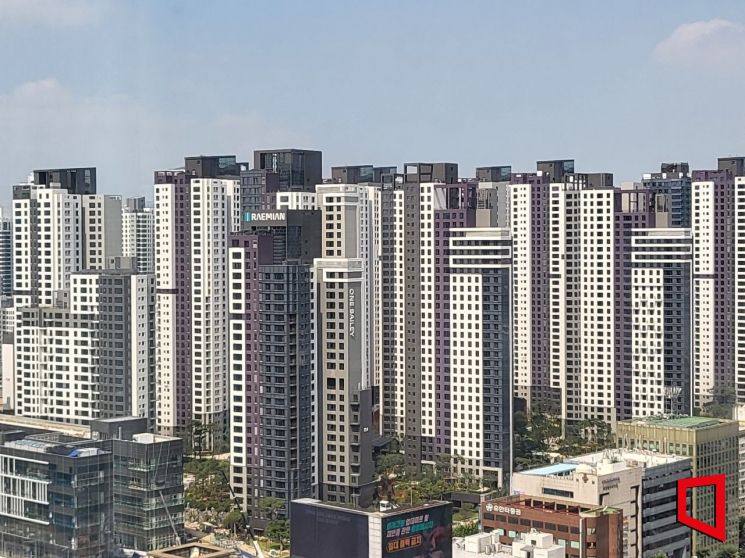
According to real estate big data company Asil on the 27th, as of the previous day, the number of jeonse listings for apartments in Seoul was 30,539, a 33.0% decrease compared to 45,544 listings six months ago. Compared to the peak earlier this year (55,882 listings), it has dropped by 45.4%. Since August, the number of jeonse listings for Seoul apartments has remained at around 30,000 to 31,000.
As jeonse listings decrease, jeonse prices for Seoul apartments are also rising. According to the Korea Real Estate Board, the jeonse price increase rate for Seoul apartments in the third week of September (as of the 18th) recorded 0.20%, marking the highest increase rate this year. Seoul apartment jeonse prices have been on the rise continuously since the third week of May (22nd, 0.01%).
The jeonse supply-demand index, which reflects demand sentiment, is increasing. According to the Real Estate Board, the Seoul jeonse supply-demand index rose by 0.3 points from 93.8 to 94.1 as of the third week of September. The jeonse supply-demand index is based on '100'; the closer it is to 0, the more landlords are offering homes than tenants seeking them. Approaching 100 means that the number of tenants looking for jeonse homes exceeds the supply.
The reason for the increased jeonse demand is that interest rates on jeonse loans from commercial banks have relatively decreased, making choosing jeonse more advantageous than monthly rent. As of July, the Seoul jeonse-to-monthly rent conversion rate (the rate applied when converting jeonse deposits to monthly rent) was 5.3%, whereas interest rates on jeonse loans from commercial banks have dropped to the 3-4% range, making jeonse cheaper than monthly rent. Additionally, the aftermath of jeonse frauds, which were rampant mainly in non-apartment properties such as villas and officetels, seems to have increased the number of tenants seeking safer apartments.
In some Gangnam area apartments, jeonse prices have risen by several hundred million won. The jeonse price for an 84㎡ unit in 'Raemian One Bailey' (2,990 households) in Banpo-dong, Seocho-gu, Seoul, which began occupancy last month, is currently priced between 1.4 billion and 1.8 billion won. Compared to July, when prices were in the 1.1 billion won range, the asking price has increased by more than 300 million won in about two months.
Experts say this trend is likely to continue for the time being. Kyunghee Yeo, senior researcher at Real Estate R114, stated, “Although the burden of monthly rent has increased, jeonse loan interest rates have remained relatively stable, and the risk of incidents such as 'empty jeonse' is lower compared to non-apartments, leading to increased jeonse demand. In Seoul, since the number of new housing units is expected to decrease next year, this trend is likely to continue for the foreseeable future.”
© The Asia Business Daily(www.asiae.co.kr). All rights reserved.

















