SH Urban Research Institute, 'Survey on Seoul Citizens' Perceptions of Seoul Housing Policy'
Eight out of ten Seoul citizens believe that various housing policies such as the post-sale system, disclosure of sale costs, and asset disclosure are necessary.
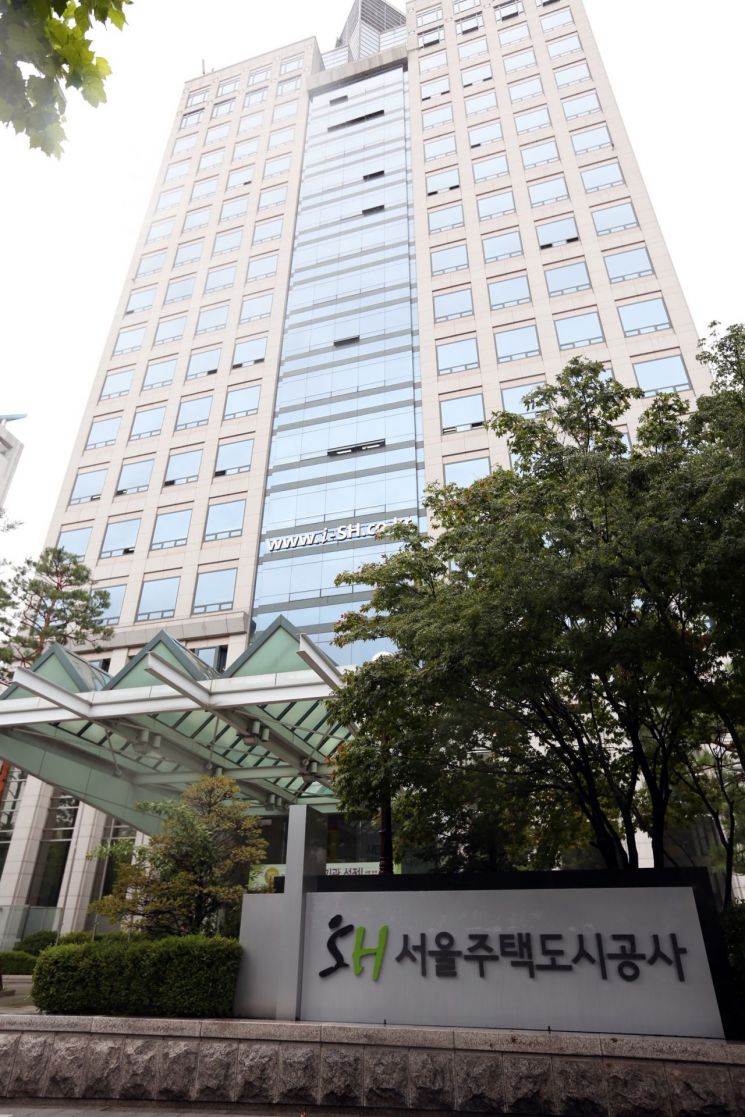
SH Urban Research Institute revealed these results on the 25th after conducting a survey titled ‘Seoul Citizens’ Perception of Seoul’s Housing Policies’ targeting 1,000 Seoul citizens from June 1 to 7.
79.6% of respondents answered that the post-sale system is necessary. The percentage of those who want post-sale housing reached 73.6%. Respondents expected policy effects such as improved housing quality from defects and reduced real estate market confusion through the post-sale system.
Regarding the disclosure of sale costs, 83.4% of respondents said “disclosure of sale costs is necessary.” Only 2.9% answered that it was unnecessary. Citizens expected effects such as ▲protection of consumers’ right to know ▲normalization of sale prices ▲building trust between consumers and developers through the disclosure of sale costs.
Regarding asset disclosure, 79.1% of respondents also answered that it was necessary, while only 2.3% said it was unnecessary. Citizens viewed that asset disclosure would improve the transparency and credibility of public enterprises and expressed expectations for the effect of expanding public housing supply.
More than half of the respondents answered that building-sale housing (land leasehold sale housing) is necessary. This is about three times the number of respondents who said it was unnecessary. These results seem to reflect citizens’ expectations that building-sale housing will be effective in securing housing stability as affordable owner-occupied housing. Building-sale housing is especially preferred by people in their 30s and newlywed couples. In fact, earlier this year, the pre-reservation results for building-sale housing in Goduk Gangil Complex 3 showed many applications from youth (118.3 to 1) and newlywed couples (14.6 to 1).
However, when asked whether they intended to purchase building-sale housing, more than one-third (38.9%) answered “yes.” The answer “do not want” was 28.5%. An SH Corporation official explained, “It seems that misunderstandings that the value of the building will decrease due to depreciation had an influence,” adding, “According to the results of investigating actual transaction trends, the price of land leasehold sale housing is set and traded recognizing the surface rights and others as land value.”
To resolve such misunderstandings, SH Corporation plans to provide policy support such as ▲expanding publicity to enhance positive perception of building-sale housing ▲establishing standards for reasonable price setting ▲proposing related law amendments to ensure institutional completeness.
Kim Heon-dong, president of SH Corporation, stated, “The corporation will expand the supply of building-sale housing to contribute to solving Seoul citizens’ housing concerns and securing housing stability, while also implementing various policies desired by the majority of citizens, such as disclosure of sale costs, asset disclosure, and the post-sale system.”
© The Asia Business Daily(www.asiae.co.kr). All rights reserved.

















