The Ministry of Food and Drug Safety announced on the 25th that it has identified 76 companies during inspections targeting manufacturers, importers, and sellers of rice cakes, traditional Korean sweets, health functional foods, livestock products, and traditional liquors, which are commonly consumed as gifts and for ancestral rites during the upcoming Chuseok holiday.
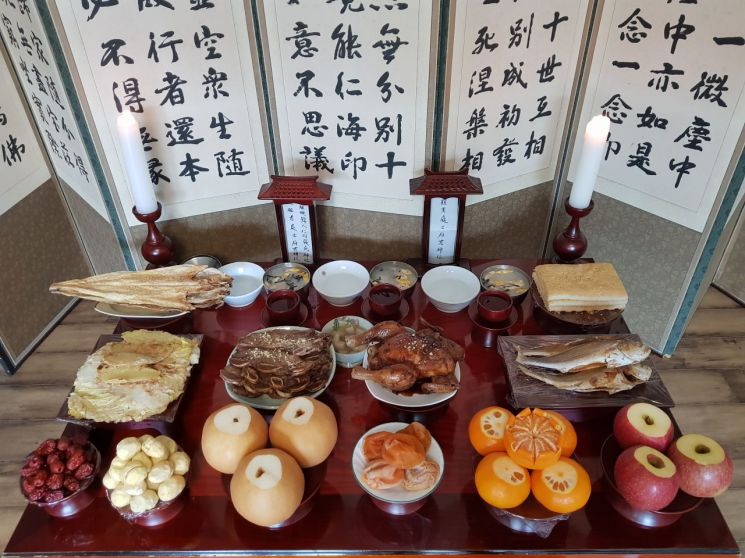
The inspections were conducted from the 4th to the 8th of this month in cooperation with local governments across 17 cities and provinces nationwide, covering 5,837 related companies. The main violations included ▲violations of hygienic handling standards ▲failure to conduct health examinations ▲violations of business operator compliance requirements ▲violations of labeling standards, among others. Violating companies will face administrative sanctions from the relevant authorities.
Alongside the inspections, sampling and testing of foods for holiday gifts and ancestral rites (domestically distributed) and detailed inspections at customs clearance stages (imported foods) were also conducted.
The Ministry collected a total of 2,716 samples of processed foods such as rice cakes, nuts, and cheongju (refined rice wine), prepared foods such as fish and fried items, and agricultural, livestock, and marine products such as jujubes and mushrooms currently distributed domestically, and tested for residual pesticides, heavy metals, and foodborne pathogens. So far, 15 cases have been found to be non-compliant with standards and specifications.
These include 2 cases of 'Escherichia coli' in rice cakes, 1 case of 'bacterial count' in liquid tea, 4 cases of 'Staphylococcus aureus' in prepared foods, 1 case of 'vitamin content' in health functional foods, 4 cases of 'residual pesticides' and 1 case of 'sulfur dioxide' in agricultural products, and 2 cases of 'enterohemorrhagic Escherichia coli' in meat products. The Ministry stated, “The remaining 791 samples under testing will be addressed according to the test results.”
For imported foods, detailed inspections were conducted on 615 samples including processed foods such as fruit and vegetable products, agricultural, livestock, and marine products such as wood ear mushrooms, pork, pollock, and shrimp, and health functional foods such as complex nutrient products, focusing on heavy metals, veterinary drug residues, and residual pesticides. Among these, 1 case (carrot) was found non-compliant for residual pesticides and was returned to the exporting country.
The Ministry of Food and Drug Safety plans to re-inspect companies found violating regulations within six months after administrative sanctions are imposed by the local food and drug safety offices or local governments to verify whether violations have been corrected. For imported foods found non-compliant during customs inspections, detailed inspections (five consecutive times) will be conducted if the same products are imported in the future.
© The Asia Business Daily(www.asiae.co.kr). All rights reserved.

















