1 in 10 People Aged 80 or Older
Subsidies Provided to Attract Foreign Care Workers
In Japan, where low birth rates and aging population are serious social issues, the proportion of elderly people relative to the total population has reached an all-time high since statistics began. As the elderly population continues to increase, there is a shortage of care workers, prompting the Japanese government to offer subsidies to foreigners who find employment as care workers in the country.
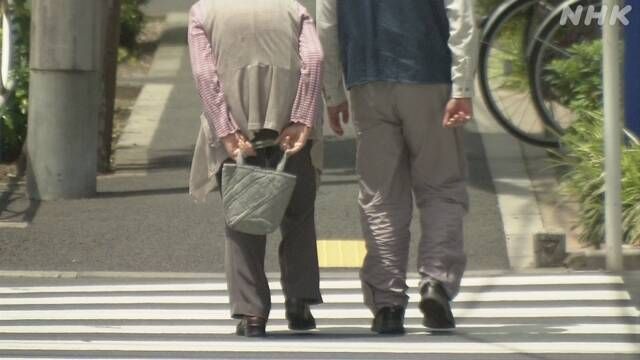
According to population statistics released by Japan's Ministry of Internal Affairs and Communications on the 18th in observance of Respect for the Aged Day, as of the 15th, the proportion of people aged 65 and older in the total population reached 29.1%, setting a new record. The proportion of those aged 80 and above also increased by 2.7 million from the previous year to 12.59 million, surpassing 10% for the first time in history. This means that one in ten people in Japan is aged 80 or older.
The total number of elderly people in Japan is 36.23 million, which is only a 0.1 percentage point increase from the previous year. Although the growth rate of the elderly population has started to decline, Asahi Shimbun analyzed that this is because the population group turning 65 this year is relatively small and the number of births has decreased.
The number of working elderly people also reached a record high. Last year, the number of elderly employed increased by 30,000 from the previous year to 9.12 million, marking 19 consecutive years of growth since 2004. The proportion of elderly workers in the total employed population also reached the highest level ever recorded at 13.6%. By age group, 50.8% of those aged 65 to 69 and 33.5% of those aged 70 to 74 continue to work.
The problem is that while the elderly population is increasing, there remains a persistent shortage of elderly care workers such as nursing care workers and welfare workers. The Ministry of Health, Labour and Welfare predicts that by 2040, Japan will face a shortage of 690,000 elderly care workers.
In response, the Ministry of Health, Labour and Welfare announced that it will provide subsidies for three years, covering the period from learning Japanese to preparing for employment, for foreigners who find work as care workers in Japan. Typically, foreign students need to spend one year at a Japanese language school and two years at a welfare worker training facility to qualify for employment as care workers.
Accordingly, the Japanese government plans to support care facilities that intend to hire foreigners by subsidizing part of the scholarships they provide for tuition, housing, and employment preparation costs. Tuition fees for Japanese language schools will be significantly increased from a maximum of 200,000 yen (1.79 million KRW) to 300,000 yen (2.69 million KRW) per year, and housing subsidies will be raised from 120,000 yen (1.07 million KRW) to 180,000 yen (1.61 million KRW) annually. Over three years, foreign students can receive a maximum subsidy of 1.68 million yen (15 million KRW).
Professor Yuki Yasuhiro of Shukutoku University pointed out, "While the shortage of caregivers is a serious issue in Europe and the United States as well, Japan’s market, with its low wage levels, is becoming even less attractive to foreign workers," adding, "It is crucial for the government to create an environment that supports talent acquisition."
© The Asia Business Daily(www.asiae.co.kr). All rights reserved.
![User Who Sold Erroneously Deposited Bitcoins to Repay Debt and Fund Entertainment... What Did the Supreme Court Decide in 2021? [Legal Issue Check]](https://cwcontent.asiae.co.kr/asiaresize/183/2026020910431234020_1770601391.png)
















