Attention to Tradition, Uniqueness, Representativeness, and Cultural Diversity
The representative traditional holidays of our nation?'Seol and Daeboreum', 'Hansik', 'Dano', 'Chuseok', and 'Dongji'?are designated as National Intangible Cultural Heritage. The Cultural Heritage Administration announced on the 18th that it will finalize the designation after collecting opinions from various sectors for a month and undergoing review by the Intangible Cultural Heritage Committee.
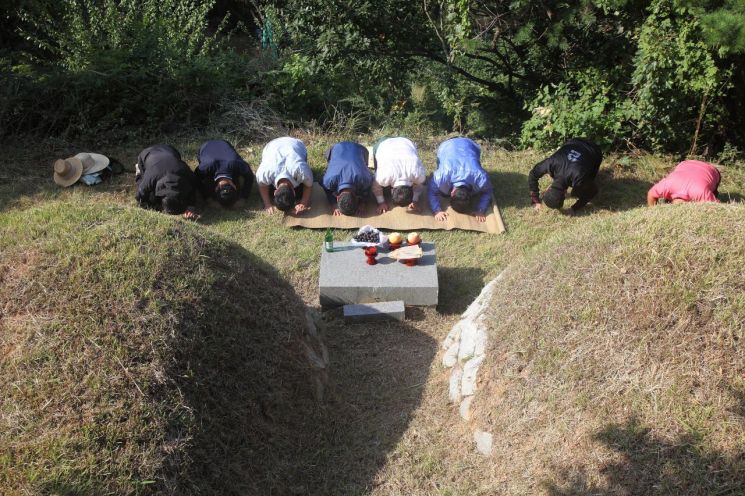
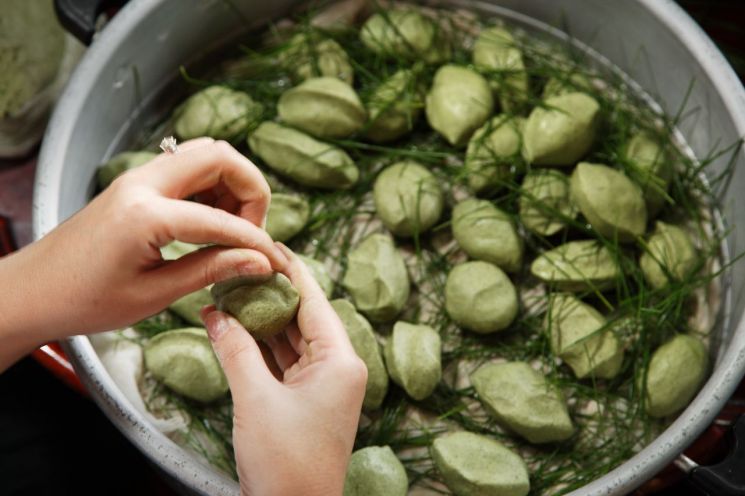
There are five holidays announced for designation. ▲'Seol and Daeboreum', from the first day to the fifteenth day of the lunar new year, commemorating the start of the year ▲'Hansik', the 105th day after Dongji, traditionally observed with memorial rites (visiting ancestral graves, grass cutting, ancestral ceremonies) ▲'Dano', on the 5th day of the 5th lunar month, known for various games and customs passed down ▲'Chuseok', on the 15th day of the 8th lunar month, which holds diverse seasonal customs from Ganggangsullae dance to Songpyeon rice cakes ▲'Dongji', the 22nd solar term, marking the longest night and shortest day of the year. As intangible heritage policies expand from focusing on professional holders of skills and arts to include lifestyle customs passed down by the entire nation, these holidays have been announced for designation as National Intangible Cultural Heritage. Similar cases include last year’s designation of Hanbok lifestyle and Yutnori.
The Cultural Heritage Administration investigated related literature and consulted experts, focusing on five major values. ▲The uniqueness and diversity of holiday culture established during the Three Kingdoms period and institutionalized in the Goryeo dynasty, which have been passed down to the present ▲The expansion of various academic research topics, including clothing, food, housing, rituals, arts, and comparisons with holiday cultures worldwide ▲The confirmed uniqueness and representativeness of holidays such as Chuseok, which involves ancestral worship rituals unlike the lunar ceremonies of China and Japan, and Dongji, where red bean porridge is shared to ward off misfortune and promote community harmony ▲The transmission of various intangible heritage (such as Yutnori and rice cake making) within families and village (regional) communities during each holiday, contributing to cultural diversity and creativity ▲Sustainable elements such as the universal human characteristic of celebrating the new year, ancestral rites and memorial services (Seol, Hansik, Chuseok), national holidays (Seol, Chuseok), and cultural symbols (Dano, Dongji).
The Cultural Heritage Administration stated, "With the designation as National Intangible Cultural Heritage, we hope to restore the values of family and regional communities and to spread the high cultural heritage value of these holidays across various cultural content fields and academic research areas."
© The Asia Business Daily(www.asiae.co.kr). All rights reserved.


















