Cultural Heritage Administration and Gongju City Conduct Academic Excavation Survey Until December
Focus on Scope, Outer Facilities, and Baekje Civil Engineering Techniques
The Cultural Heritage Administration, Gongju City, and Kongju National University announced on the 12th that they will conduct an academic excavation survey until December at the presumed royal palace site of Gongju Gongsanseong (14-4 Geumseong-dong). The goal is to accurately determine the scale and structure of the presumed Baekje royal palace site and secure foundational data for restoration.
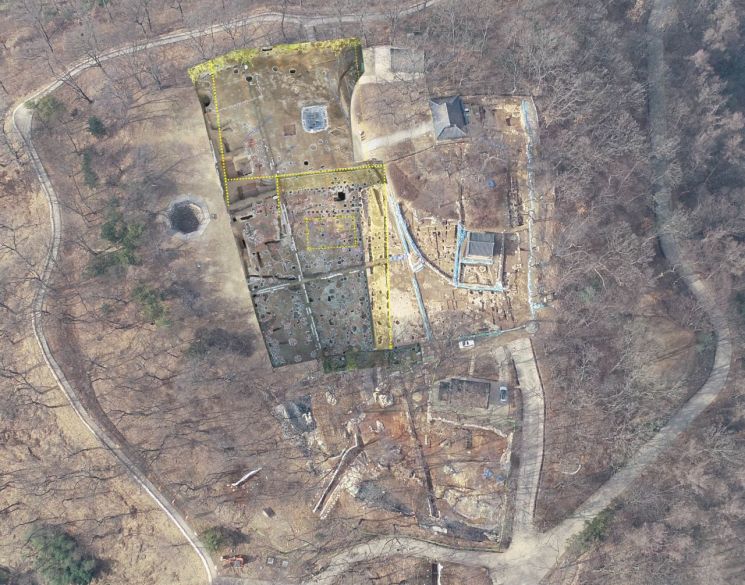
The Cultural Heritage Administration stated, "We plan to systematically identify the entire range and outer facilities that have been partially confirmed and focus on verifying the civil engineering techniques of the Baekje people." They added, "We will secure academic materials to restore the reality of the Baekje Ungjin royal capital and establish authentic maintenance and management plans based on this."
The excavation site is a wide and flat land at an elevation of about 74 meters above sea level. The entire Gongju city area is visible. In the 1985 excavation, building remains and lotus-patterned sumaksae (roof tiles used at the ends of wooden architectural roof tile ridges) were unearthed, leading to the presumption of a royal palace site. In the 2019 supplementary survey, an eastern entrance facility of the royal palace site was also confirmed. Nearby, a gwol (闕; a tall structure built on both sides of palace gates) facility was discovered, providing an opportunity to understand the royal palace structure.
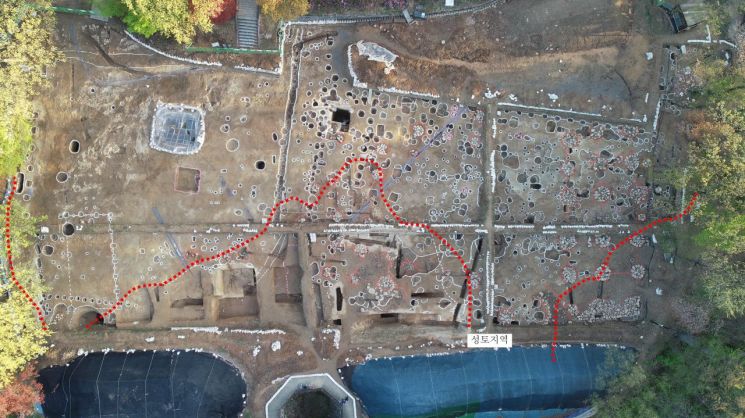
Last year’s investigation identified two long corridor-style buildings (長廊式建物; long buildings constructed around the central building in palaces) measuring 20 meters and 30 meters in length. It was confirmed that the interior of the royal palace site was divided into central space, living space, and ceremonial space. Through traces of civil engineering work filling the valley around the southern pond, it was also revealed that the square-shaped flat land was planned and constructed during the Baekje Ungjin period.
© The Asia Business Daily(www.asiae.co.kr). All rights reserved.


















