"Minimal Signs of Decline in Chinese Tourists
Monthly Number of Chinese Visitors to Japan Increases to 300,000
Flight Capacity to Increase Due to Growing Tourism Demand"
Koji Shibata, CEO of All Nippon Airways (ANA), Japan's largest airline, stated on the 7th that the discharge of contaminated water from the Fukushima Daiichi Nuclear Power Plant will not significantly reduce the number of Chinese tourists visiting Japan. Although anti-Japanese sentiment is rising in China due to the contaminated water discharge, its impact on the tourism industry is minimal.
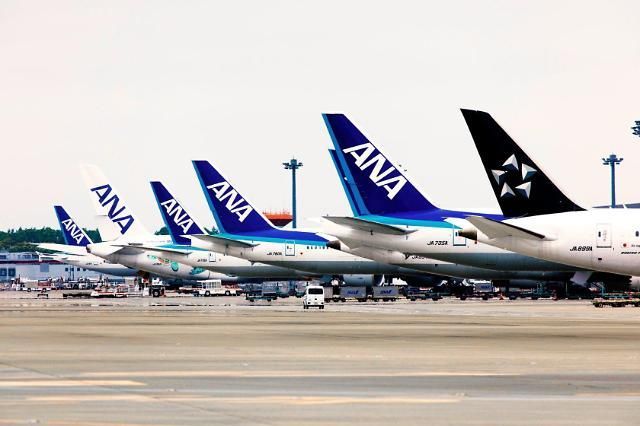
In an interview with Bloomberg News on the same day, CEO Shibata said, "There are no signs yet that the number of Chinese tourists is decreasing due to the contaminated water discharge."
He added, "Last month, 300,000 people entered Japan from China, an increase compared to 30,000 in January," and said, "We believe this trend will continue." In 2019, before the COVID-19 pandemic, a total of 9.59 million Chinese visited Japan throughout the year.
ANA plans to increase flights, anticipating a rise in Chinese visitors to Japan. Before the COVID-19 pandemic, ANA operated 175 round-trip flights per week. This winter, it plans to operate 76 flights, about 43% of the pre-pandemic level.
In fact, the contaminated water discharge has not yet significantly affected the number of Chinese tourists visiting Japan. According to Bloomberg, the number of seat reservations on flights from China to Japan departing between November this year and March next year decreased by only 7% as of the 29th of last month, after the discharge began, compared to the 18th before the discharge. Despite the contaminated water discharge starting on the 24th of last month, reservations only slightly declined.
However, some caution that it is too early to be complacent. There are forecasts that as anti-Japanese sentiment spreads in China, the tourism industry will gradually suffer damage due to the contaminated water discharge.
Already, there is a growing trend in China to cancel group tours to Japan. Asahi Shimbun reported that Chinese travel agencies, aware of anti-Japanese sentiment, are refraining from recommending Japan travel products to customers as much as possible. Cancellations continue among customers who had booked group tours to Japan. Among 23 Chinese travel agencies handling Japan travel products, 7 reported a series of cancellation requests from customers since the contaminated water discharge began.
A decrease in Chinese tourists would be a severe blow to Japan's tourism industry. Chinese tourists spend overwhelmingly more money during their trips compared to tourists from other major countries. According to the Japan Tourism Agency, between April and June this year, the average travel expenditure per Chinese visitor to Japan was 338,000 yen, ranking second by country after the UK (360,000 yen). This is significantly higher than the 94,205 yen spent per Korean tourist. Chinese tourists also account for one-third of the total number of tourists by country.
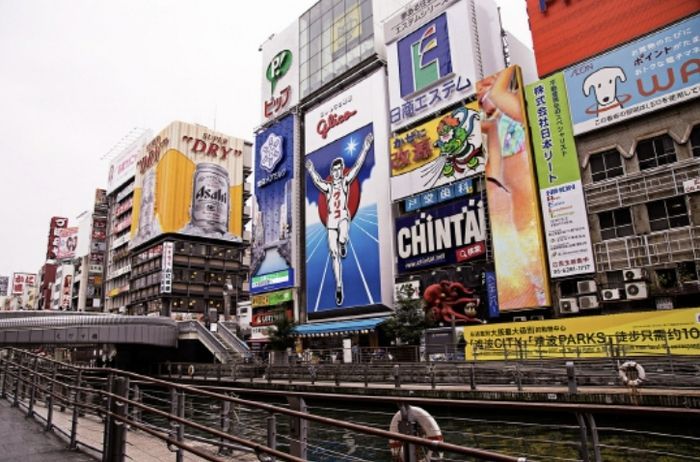
The Japanese government is also closely monitoring the impact of the contaminated water discharge on the tourism industry. On the 29th of last month, Tetsuo Saito, Japan’s Minister of Land, Infrastructure, Transport and Tourism, said at a press conference, "According to a survey conducted by the Japan Tourism Agency targeting the travel industry, some travel agencies reported cancellations or inquiries about the safety of Japanese food products," adding, "We will continue to closely monitor the situation."
© The Asia Business Daily(www.asiae.co.kr). All rights reserved.


















