Past Development of Guro 2·3 Industrial Complex and Gasan Digital Complex, Major Regional Development Boosts Ahead of Sinansan Line Opening, Rare Area in Seoul with Annual Budget Increasing by 60 Billion Won for Second Leap
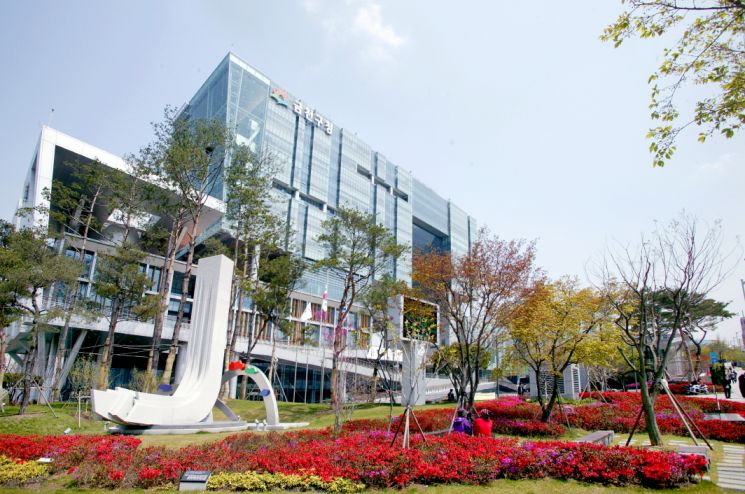
Geumcheon-gu, a local government in the southwestern area of Seoul, is attracting attention as it regains its former glory amid active regional development.
Geumcheon-gu was a central city in the southwest region, dating back to the Joseon Dynasty when Siheung-hyeon was located there. Particularly in the 1960s and 1970s, Geumcheon-gu was the heart of South Korea’s industry, home to companies like Daehan Electric Wire, Coca-Cola, Samlip Food, Kia Motors, and the Guro 2nd and 3rd Industrial Complexes.
At that time, the commercial districts were bustling with money, but as these factories relocated, the local economy deteriorated significantly, causing hardships.
However, as industrial functions moved out and the area became a residential-centered city, Geumcheon-gu fell to one of the lowest financial self-reliance levels among Seoul’s 25 autonomous districts.
Recently, various development projects have been actively underway, with the annual budget increasing by about 60 billion KRW (averaging about 80 billion KRW in the last two years), showing remarkable progress.
In particular, the former factory areas have turned into assets. In the old Guro 2nd and 3rd Industrial Complex areas, 105 knowledge industry centers (housing about 9,600 companies) have been completed, and 22 are under construction, making it a representative SME cluster in Seoul, reviving the past glory as the "Second Teheran-ro."
Yoo Seong-hoon, mayor of Geumcheon-gu, explained the background of regional development by stating, "During the morning rush hour from 7 to 9 AM at Gasan Digital Complex Station, 29,000 people commute, surpassing Yeouido Station’s 28,000 and Gangnam and Yeoksam Stations’ 27,000, ranking first."
Meanwhile, Booyoung is promoting the construction of a general hospital and apartments on the former Daehan Electric Wire site in front of Geumcheon-gu Office.
Also, a few years ago, Lotte Construction completed large-scale Lotte Castle 1 and 2 complexes behind the Geumcheon-gu Office building, emerging as a new affluent area, while the construction of the West Seoul Museum of Art is underway, scheduled for completion in December next year.
Additionally, the Air Force base (38,000 pyeong) behind the Geumcheon-gu Office is designated as an ‘Urban Innovation Strategic Zone’ by the Ministry of National Defense, Seoul City, and Geumcheon-gu, working to establish a ‘convergence IT forward base’ as a hinterland for G-Valley. Once designated, buildings of 50 to 100 floors will be permitted.
Furthermore, the Sinheung-daero, an 8-lane road that was formerly National Route 1, is set to open the Sinansan Line in the first half of 2025, leading regional development with the construction of various super high-rise buildings.
Geumcheon-gu is also promoting the ‘Sindoksan Station Transit-Oriented Development (TOD) Project,’ where a high-rise mixed-use building and plaza will be built on the site of the former Novotel Hotel in Doksan-dong. On August 22, Seoul City’s 13th Urban and Architectural Joint Committee approved a revision of the Doksan District Unit Plan, designating the ‘Sindoksan Station TOD Special Planning Zone and Detailed Development Plan.’
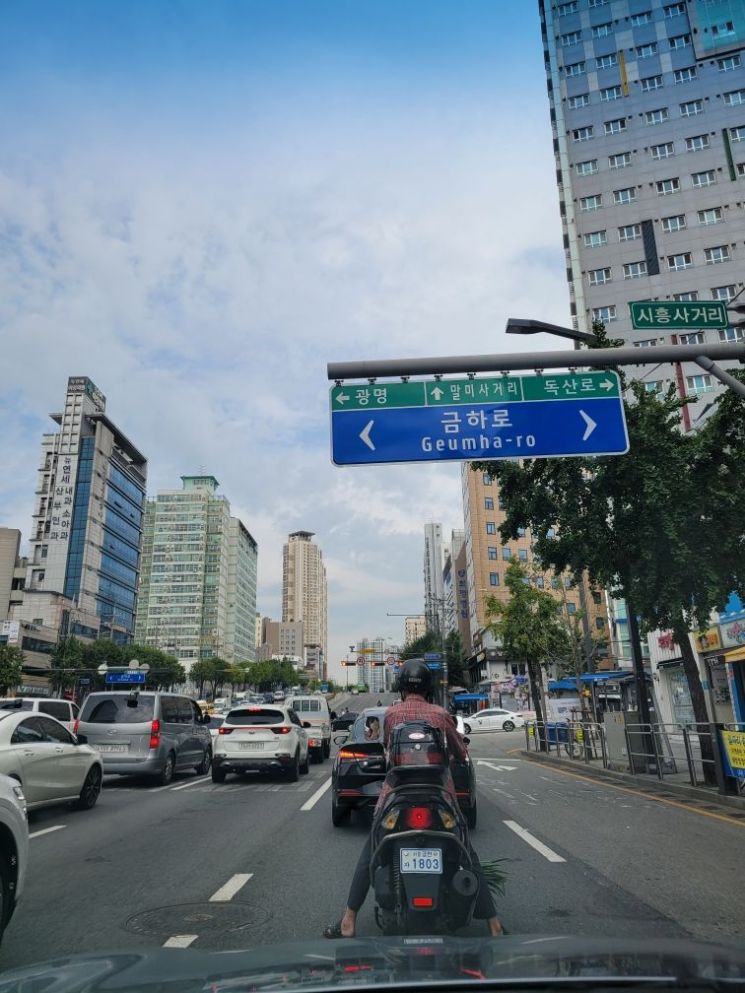
The main points of this district unit plan revision are twofold. To strengthen the station area function and promote high-density development, the zoning was upgraded (from Neighborhood Commercial Area to General Commercial Area), relaxing the floor area ratio. Additionally, a ‘Youth Culture House’ supporting youth leisure, hobbies, and autonomous activities was secured as a public contribution facility in the development.
Yoo Seong-hoon, mayor of Geumcheon-gu, said, “When I took office as mayor five years ago, the district’s main budget was 380 billion KRW, but this year it has grown to 710 billion KRW. Geumcheon-gu is making a comeback as an economic hub in the southwest region.”
Meanwhile, the steel and distribution markets in front of Seoksu Station also have development potential.
© The Asia Business Daily(www.asiae.co.kr). All rights reserved.


















