Soldiers Required to Take Loyalty Oath
Divergent Opinions on Disbandment or Maintenance
Russian authorities have officially confirmed the death of Yevgeny Prigozhin, the head of the Wagner Group, sparking ongoing controversy both inside and outside Russia regarding the future of the Wagner Group. Within Russia, there is a sharp divide between those who argue that the organization, which was the main actor in the military rebellion, should not be allowed to continue, and those who believe it should be maintained to protect Wagner Group's overseas interests. Attention is focused on what choice the Russian government will make moving forward.
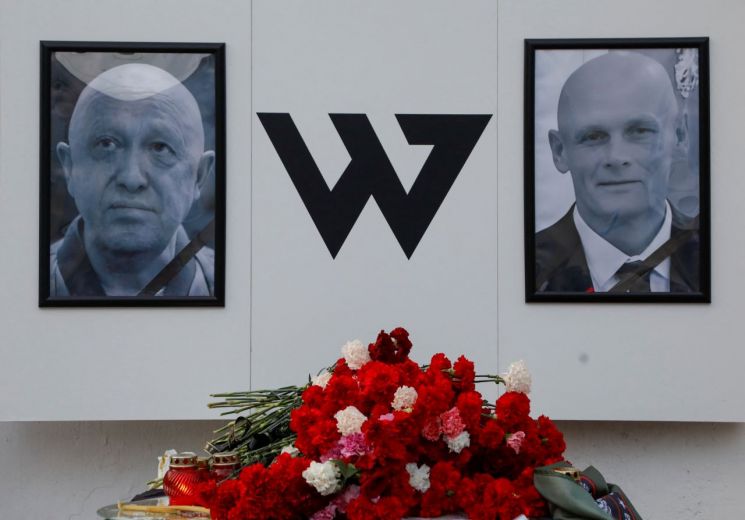
According to TASS news agency on the 27th (local time), the Russian Federal Investigative Committee announced that the genetic information of eight bodies recovered from Prigozhin's private plane, which crashed on the 23rd, matched the passenger list. This officially confirmed the deaths of Prigozhin and other key Wagner Group leaders, including Dmitry Utkin, one of the founding members of the Wagner Group.
Russian investigative authorities added that they have also recovered and are analyzing the black box from the crash site, focusing on determining the cause of the accident. Amid various predictions about the fate of the Wagner Group, including disbandment or absorption into the Russian military after losing key leaders, the Wagner Group has stated that nothing has been decided yet.
Russian authorities have not yet shown any special moves regarding the Wagner Group. However, they are cautious about the possibility of another military rebellion arising due to Prigozhin's death. According to TASS, President Vladimir Putin signed a presidential decree requiring those contributing to military missions to take an oath of loyalty to the state. The decree specifies that 'members of volunteer organizations' must take the oath, including not only regular military personnel but also mercenaries belonging to all private military companies. This is interpreted as a measure to strengthen control and prevent premature actions by the Wagner Group.
As debates continue inside and outside Russia over whether to disband or maintain the Wagner Group, some analyses suggest that it will not be easy for the Putin administration to simply dismantle the group. According to Bloomberg News, the Wagner Group holds many interests across Africa and the Middle East, including ownership of the largest gold mine in the Central African Republic, capable of producing $290 million (approximately 384.8 billion KRW) worth of gold annually.
Additionally, tens of thousands of mercenaries are still active in 12 countries worldwide, including Ukraine, the Middle East, and Africa, making it difficult to disband them quickly. There is also speculation that President Putin might absorb the Wagner mercenary forces into the Russian military or appoint another government official to replace Prigozhin and reorganize the group as a personal guard unit.
© The Asia Business Daily(www.asiae.co.kr). All rights reserved.

















