Investigation of Sea Area Within Approximately 50km Radius of Nuclear Power Plant
Confirmation of Compliance with Tritium Concentration Standards
Plan to Announce Information for 11 Sea Areas Weekly
On the 25th, Japan's Ministry of the Environment began measuring the concentration of tritium in seawater around the Fukushima Daiichi Nuclear Power Plant for the first time since the release of contaminated water into the ocean.
According to Kyodo News, the Ministry plans to publicly disclose information weekly for 11 sea areas within approximately a 50 km radius of the nuclear plant over the next three months. The results of the survey initiated on this day are expected to be released on the 27th.
Experts have stated that if tritium levels exceeding 700 becquerels (Bq) per liter are detected within 3 km of the plant, or exceeding 30 Bq per liter at points farther away, they will contact Tokyo Electric Power Company (TEPCO) through the Nuclear Regulation Authority.
Environment Minister Akihiro Nishimura said in a statement the day before, following the start of contaminated water discharge, that "we will thoroughly conduct monitoring activities with high objectivity, transparency, and reliability to prevent rumors (false information) from spreading."
Separately from the Ministry of the Environment, TEPCO has also begun analyzing seawater around the nuclear plant. The sample measurement results are expected to be released as early as the evening of the same day. TEPCO plans to collect seawater samples daily from 10 locations within a 3 km radius of the plant for one month and disclose the analysis results the following day.
Kyodo News explained that "as China has imposed a complete ban on imports of Japanese seafood, unrest is spreading among stakeholders," and emphasized that tritium concentration data from the sea areas around the nuclear plant has become important to prevent the expansion of rumor damage and to persuade China and Hong Kong.
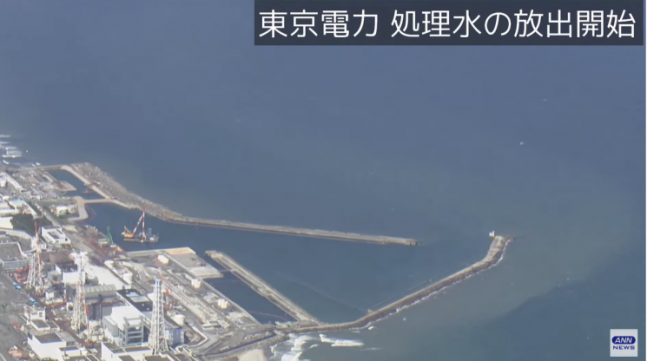
Earlier, TEPCO began releasing contaminated water the previous day, diluting about 460 tons of contaminated water daily with seawater before discharging it into the ocean. This initial discharge will continue for 17 days, with approximately 7,800 tons of contaminated water released in the first phase. TEPCO plans to repeat this process four more times, with the total discharge volume expected to reach 31,200 tons this year.
TEPCO estimates that it will take at least 30 years to completely discharge the contaminated water, but since the decommissioning schedule is unclear, it is unknown when the actual discharge will end. The amount to be discharged after April next year has not yet been determined.
© The Asia Business Daily(www.asiae.co.kr). All rights reserved.

















