KAIST Research Team Develops Affordable Material
1000 Times Cheaper Than Expensive Precious Metal Platinum
The limitation of hydrogen fuel cells, which are gaining attention as a future energy source, is their cost. This is because expensive precious metal platinum must be used as a catalyst. However, a domestic research team has developed a catalyst material that is more than 1,000 times cheaper, significantly reducing costs.
The Korea Advanced Institute of Science and Technology (KAIST) announced on the 22nd that Professor Eun-Ae Jo's research team from the Department of Materials Science and Engineering, in collaboration with Professor Han Jung-woo's research team from POSTECH, succeeded in developing a non-precious metal catalyst that can replace platinum and elucidated the high-activity mechanism of the material.
Proton exchange membrane fuel cells (PEMFCs) used in hydrogen vehicles use a large amount of platinum catalyst as the electrode catalyst. In particular, the electrochemical reaction at the fuel cell cathode is very slow, requiring a large amount of platinum catalyst on the electrode to increase the reaction rate. The research team developed an air electrode ‘single-atom iron-nitrogen-carbon-phosphorus material’ that can replace platinum and clarified its activation mechanism. This catalyst can be applied not only to PEMFCs used in commercial products but also to the next-generation fuel cells, anion exchange membrane fuel cells (AEMFCs). The structure consists of trace amounts of iron atoms dispersed at the atomic level on carbon, with nitrogen and phosphorus bonded around them.
Professor Jo said, “By adding phosphorus to the active site of the existing single-atom iron-nitrogen-carbon catalyst, we overcame its limitations and succeeded in improving performance. Fuel cells are complex reaction devices, so even if a new catalyst is developed, it is often difficult to apply it to actual fuel cells. However, the catalyst developed this time was successfully applied to both proton exchange membrane fuel cells and anion exchange membrane fuel cells, enhancing performance in both.”
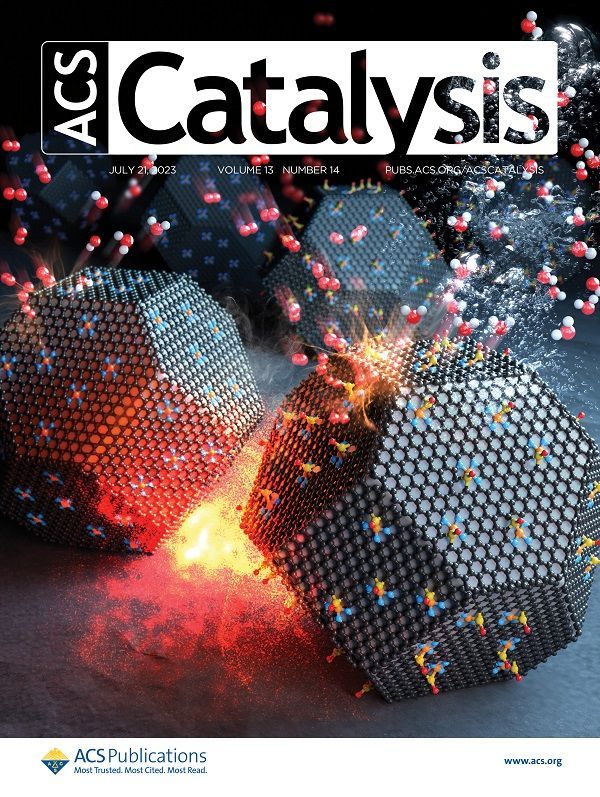
The research results were published online on the 3rd of last month in the international journal of catalysis published by the American Chemical Society, ACS Catalysis. Additionally, the paper was featured as a supplementary front cover article in the journal. (Paper title: Transformation of the Active Moiety in Phosphorus-Doped Fe-N-C for Highly Efficient Oxygen Reduction Reaction)
© The Asia Business Daily(www.asiae.co.kr). All rights reserved.
![From Bar Hostess to Organ Seller to High Society... The Grotesque Con of a "Human Counterfeit" [Slate]](https://cwcontent.asiae.co.kr/asiaresize/183/2026021902243444107_1771435474.jpg)
















