From July, China Strengthens 'Full Radiation Inspection on Japanese Seafood' Regulations
Hong Kong, Top Exporter, Also to Join... Seafood Market Impact Unavoidable
Nearly half of Japan's seafood export market is accounted for by China and Hong Kong authorities, and a month after they strengthened seafood import regulations, the damage to related Japanese seafood exporters and fishermen is snowballing. Concerns are growing that if this trend continues long-term, the Japanese seafood market could suffer serious damage, deepening the Japanese government's dilemma as it seeks local residents' consent ahead of the Fukushima nuclear plant contaminated water discharge.
On the 16th, Nihon Keizai Shimbun (Nikkei) reported that as China has effectively halted imports of Japanese seafood, the impact on related Japanese companies is intensifying. According to Nikkei, local fresh fish wholesalers and Japanese restaurants in China have already started substituting Spanish tuna for Japanese tuna.
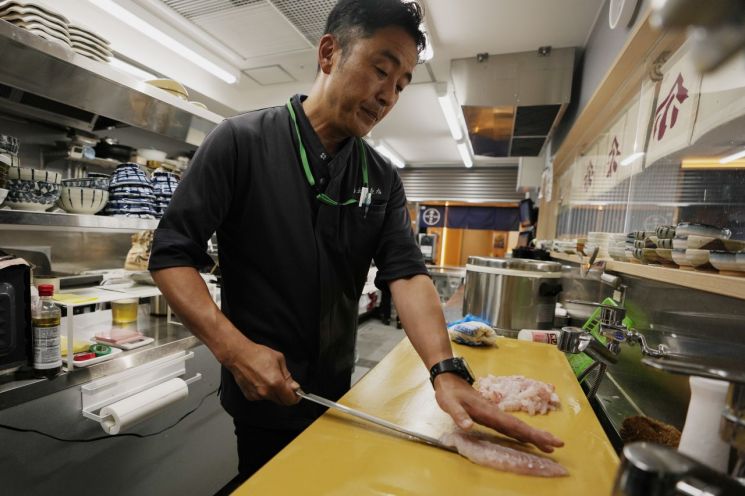
This is because the Chinese government has significantly tightened import regulations on Japanese seafood. Chinese customs announced on the 7th of last month that they would conduct 100% radiation inspections on Japanese seafood. Additionally, they decided to maintain the complete import ban on seafood from 10 prefectures, including Fukushima, which had been announced earlier.
Since the freshness of imported seafood deteriorates while it remains at customs for inspection, large-scale exports of fresh fish to China have effectively stopped from the day after the import restrictions were imposed. Nikkei reported that "this appears to be a countermeasure against the Tokyo Electric Power Company's Fukushima Daiichi nuclear plant contaminated water discharge."
Moreover, Chinese customs are also strengthening inspections not only on seafood but also on snacks, seasonings, and beverages coming from Japan. According to a trade company in Dalian, China, since the announcement of the regulations last month, even non-seafood Japanese products have increasingly been held up at customs for inspection.
Japanese companies that supplied seafood to China have entered an emergency situation. The major Japanese seafood company Nissui has currently suspended shipments of tuna and yellowtail to China. A Nissui representative told Nikkei, "Although the scale of our export business is not large, we do not know when shipments will resume."
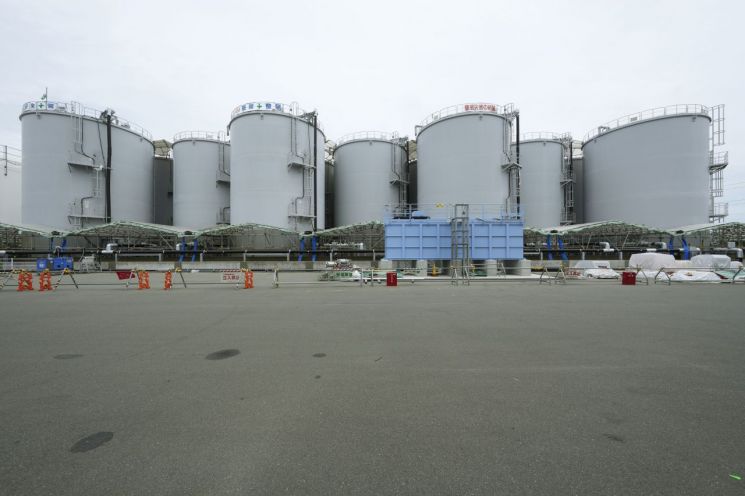
In addition, the Hong Kong government has expressed its intention to join the import restrictions. Unlike China, Hong Kong had been implementing import restrictions on food products from five prefectures including Fukushima and was gradually easing the list of banned items. For seafood, imports were allowed under conditions such as attaching proof of radioactive substance inspections.
However, last month, the Hong Kong government declared, "If the contaminated water discharge into the ocean begins, we plan to ban seafood imports from 10 prefectures including Fukushima." Toshio Himuro, chairman of the Hong Kong Japanese Restaurant Association, said, "As the frequency of radioactive substance inspections on Japanese food products increases, delivery delays have already occurred in some areas."
If this situation prolongs, it is expected to deal a significant blow to Japan's seafood export market. According to the Japanese Ministry of Agriculture, Forestry and Fisheries, seafood export value from January to June last year was 205.7 billion yen (1.8911 trillion won), with Hong Kong and China accounting for 25% and 22%, respectively, ranking first and second.
© The Asia Business Daily(www.asiae.co.kr). All rights reserved.
![Clutching a Stolen Dior Bag, Saying "I Hate Being Poor but Real"... The Grotesque Con of a "Human Knockoff" [Slate]](https://cwcontent.asiae.co.kr/asiaresize/183/2026021902243444107_1771435474.jpg)

















