Issues Raised Over Autonomous Taxi Operations in the US
Blamed for Late-Night Traffic Congestion
"Autonomous Taxis Likely to Replace Motel Hourly Rental Services"
In San Francisco, USA, driverless robo-taxis have begun operating 24 hours a day, raising concerns that these robo-taxis could be used as "moving love hotels." Additionally, claims have emerged that robo-taxis cause traffic congestion late at night, sparking various controversies just a week after their operation began.
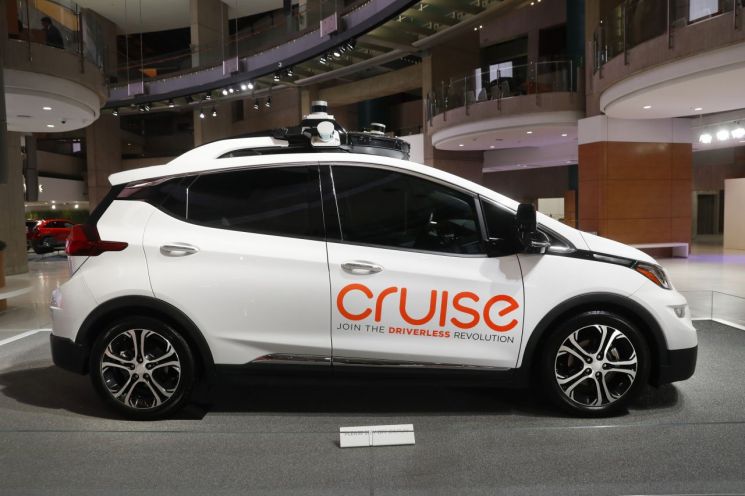 In San Francisco, USA, driverless autonomous taxis (robotaxis) have begun operating 24 hours a day, raising concerns that these robotaxis could be used as "moving love hotels." Additionally, there are claims that robotaxis cause sudden traffic congestion during late-night hours.
 [Photo by AP and Yonhap News]
According to CNBC and the San Francisco Standard on the 15th (local time), GM's autonomous vehicle Cruise and Google's Waymo have been operating robo-taxis only at night in San Francisco since 2022, but on the 10th, they received permission from the California Public Utilities Commission (CPUC) to operate 24 hours a day.
Cruise operates 300 vehicles at night and 100 during the day, while Waymo operates 250 vehicles.
However, around 11 p.m. on the 11th, the day after the 24-hour operation began, 10 Cruise robo-taxis stopped on Vallejo Street in North Beach and the surrounding area, causing vehicle congestion for at least 15 minutes. The company explained that there was a problem with the system designating vehicle routes, citing issues with cellphone service related to a nearby music festival, but the controversy over robo-taxis has only grown.
Concerns Raised That They Could Become Moving Love Hotels
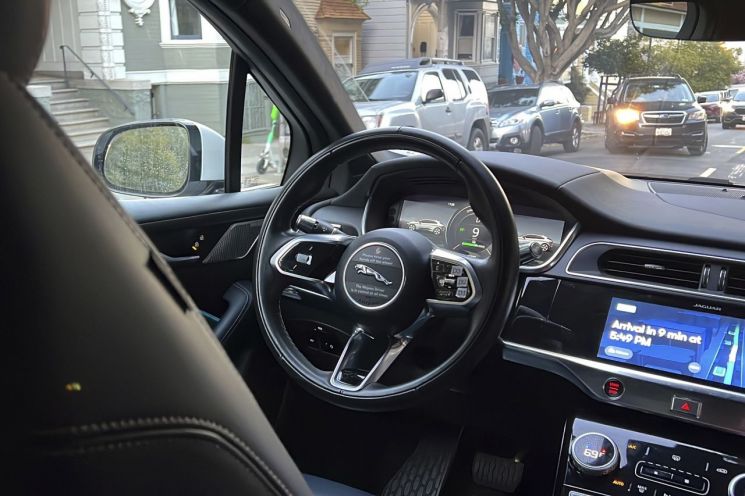 GM's autonomous vehicles, Cruise, and Google's Waymo have been operating robotaxis only at night in San Francisco since 2022, and on the 10th, they received permission from the California Public Utilities Commission (CPUC) to operate 24 hours a day.
 [Photo by AP·Yonhap News]
Some oppose the operation citing the risk of accidents involving robo-taxis. At a hearing held before the 24-hour operation permission was granted, officials from the city fire and police departments disclosed a report on at least 600 accidents related to robo-taxis as of June 2022.
Moreover, there are criticisms that robo-taxis could be used like love hotels.
The local media outlet San Francisco Standard published interviews with four users who said they had sexual relations inside robo-taxis. The outlet criticized that although sexual activity is occurring in robo-taxis, no one talks about it.
A passenger using the pseudonym Megan said, "I had sex in a robo-taxi," adding, "It wasn’t ideal, but being in a public place and the taboo of it being prohibited made it more fun and exciting." The media pointed out that such experiences show that concerns from years ago about robo-taxis being used as places for sexual activity are becoming a reality.
Autonomous Vehicles Likely to Replace Hourly-Used Hotels
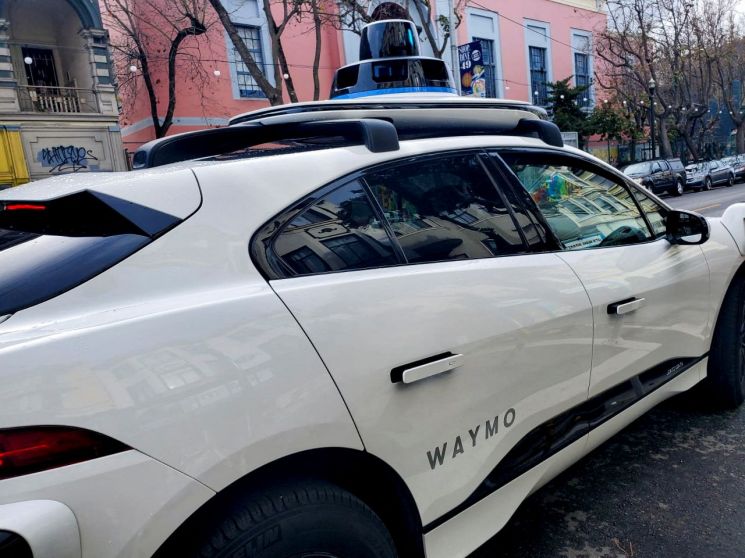 Cruise and Waymo vehicles are equipped with cameras and microphones not only on the outside but also inside. These devices are used for passenger safety and support, and the companies explained that the microphones are activated only during occupant support calls. This media outlet reported that sexual activity inside robo-taxis may violate usage regulations.
 [Photo by Reuters·Yonhap News]
A report published in 2018 in the journal The Annals of Tourism Research observed that "hotels used by the hour are likely to be replaced by autonomous vehicles."
In fact, in 2019, a video of a couple having sex inside a Tesla equipped with the autonomous driving feature Autopilot circulated widely. At the time, CEO Elon Musk tweeted, "There are more ways to use Autopilot than we imagined," adding, "We should have expected this."
Cruise and Waymo vehicles are equipped with cameras and microphones not only outside but also inside. These devices are used for passenger safety and support, and the microphones are activated only during passenger support calls, the companies explained. The media reported that sexual activity inside robo-taxis could violate usage regulations.
Cruise stated, "Users must sign rules agreeing not to engage in illegal or inappropriate behavior to use the service," adding, "Sexual activity inside the vehicle can be considered inappropriate behavior and is therefore not allowed."
© The Asia Business Daily(www.asiae.co.kr). All rights reserved.



















