Resolving Long-Standing Sewage Odor Complaints
Invested 210 Million KRW in Latest Equipment... Expecting Continuous and Wide-Ranging Effects
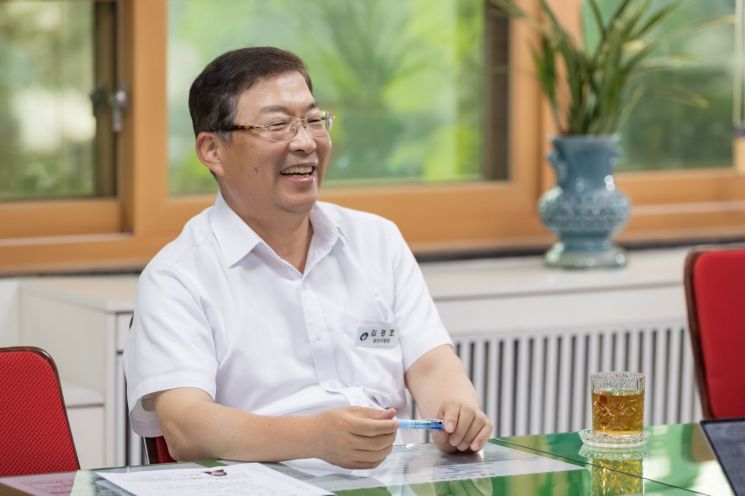
Gwangjin-gu (District Mayor Kim Kyung-ho) has installed odor reduction devices at three locations around Ginkgo-rang-ro.
The area around Ginkgo-rang-ro has long been a frequent source of complaints demanding improvement of sewage odors. The installation site is around 143-130 Junggok-dong, where the district invested a budget of 210 million KRW to install a negative pressure odor reduction device in the sewage culvert entering the Ginkgo-rang valley to prevent odor leakage.
This device is a patented product that prevents odor backflow and diffusion by applying negative pressure ventilation control technology that traps odors and airborne bacteria from the sewage pipes.
The operating principle is to calculate the ventilation volume when odor occurs and create negative pressure inside the sewage pipeline. Then, the captured odor is deodorized and sterilized through photochemical oxidation methods such as photocatalytic oxidation and ozone oxidation. By applying the latest technology, continuous effects can be expected, and efficiency is improved as no separate management personnel are required.
Last year, the district installed odor reduction devices at eight locations, and this year, in addition to Ginkgo-rang-ro, devices are being installed at seven other locations with severe sewage odors, including Junggok Rainwater Pump Station and around Yongamsa Temple.
District Mayor Kim Kyung-ho said, “Ginkgo-rang-ro is a place frequently visited by residents who enjoy hiking at Achasan Mountain, and there have been odor complaints for a long time. We will continue to explore various measures to ensure residents can live in a pleasant environment.”
© The Asia Business Daily(www.asiae.co.kr). All rights reserved.

















