Show the Essence of Horror Films with 'Exorcist'
Rich Visuals Using Documentary Techniques
Challenge All Existing Rules to Deliver Cultural Shock
William Friedkin, the director who showcased the essence of horror films with 'The Exorcist (1973),' has passed away at the age of 87. The New York Times (NYT) reported on the 7th (local time) that Friedkin died at his home in Bel Air, near Los Angeles (LA). The cause of death was heart failure and pneumonia.
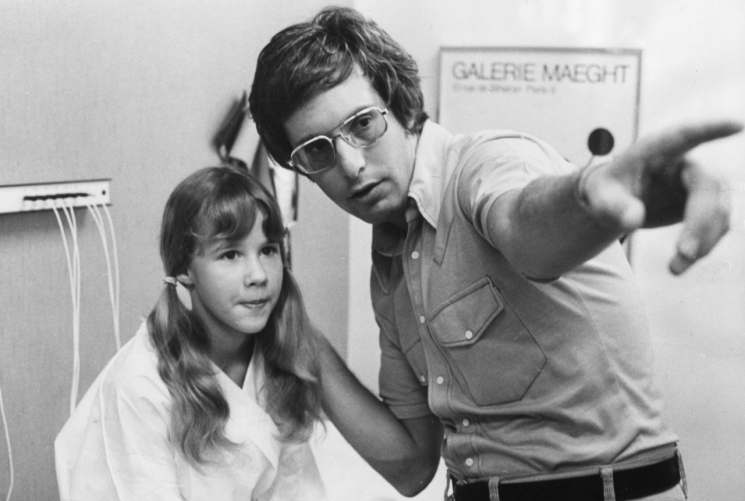
Director Friedkin is a figure who opened new horizons in genre films with the skills and experience he accumulated while producing documentaries for ABC and others. Starting with 'Good Times' in 1967, he directed 'The Night They Raided Minsky's (1968),' 'Cruising (1980)' starring Al Pacino, 'To Live and Die in L.A. (1985),' and 'Rules of Engagement (2000).' His recently completed film 'Revolt of the Kaneho' will be unveiled at the Venice Film Festival opening on the 30th of this month.
The film that first brought him fame was 'The French Connection (1971),' which depicted two detectives tracking a drug supplier. It portrayed Detective Popeye Doyle (Gene Hackman) with an obsession close to madness and completed a thrilling car chase scene. Especially, scenes where the detectives chase the criminal through the grim streets of Brooklyn or where Alain (Fernando Rey) disappears and reappears in the crowd are enriched by documentary techniques. The scene where a car chases a subway running on the surface is also considered a masterpiece, enhanced by fast-paced editing and urgent sound. Amid repeated acclaim, it won five Oscars at the 1972 Academy Awards, including Best Picture, Best Director, Best Actor (Gene Hackman), Best Adapted Screenplay (Ernest Tidyman), and Best Film Editing (Gerald B. Greenberg).
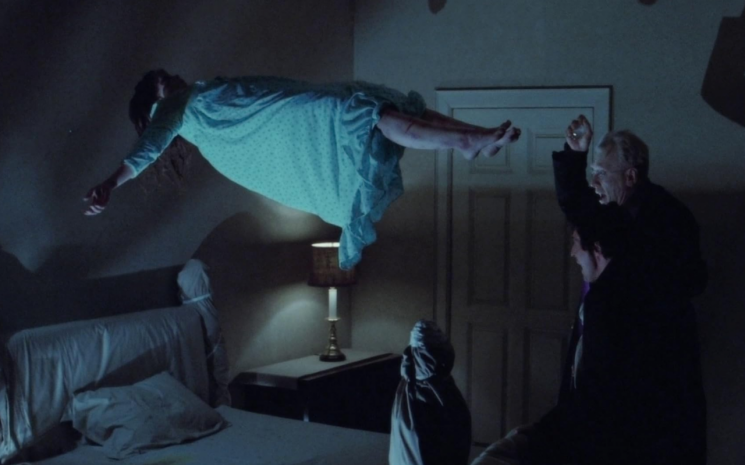
Director Friedkin also demonstrated outstanding skills in horror films. Especially, 'The Exorcist,' based on William Peter Blatty's novel of the same name, combined unique suspense with cutting-edge special effects, creating a sensation on a different level from existing horror films. It is still regarded as a classic of occult cinema.
The story deals with a girl possessed by a demon and a Catholic priest's exorcism. Friedkin challenged all existing rules that defined appropriateness and established disgust as a form of popular entertainment. This was possible by maintaining extreme realism to the end. He believed that if the audience did not think the girl was truly possessed by a demon, the film could not succeed. After several trials and errors, he perfected delicate special effects and makeup and created the 'sound of the devil' through advanced sound mixing technology, delivering a cultural shock.
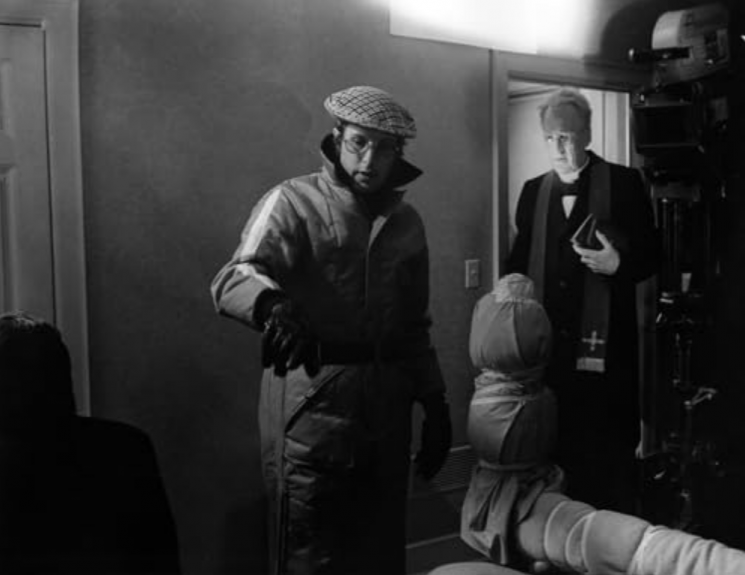
'The Exorcist' earned box office revenue equivalent to about $1.3 billion (approximately 1.7 trillion won) in today's value. It was the first horror film to be nominated for the Oscar for Best Picture. American novelist Stephen King described the film as a 'social horror film,' reflecting the cultural conflicts between the older and younger generations in early 1970s American society. Friedkin said, "I made it without any consideration of social aspects," and "I don't think those aspects helped its success." However, it is clear that the tension between progressive and oppressive, sacred and corrupt, hidden and explicit elements emitted a unique energy.
© The Asia Business Daily(www.asiae.co.kr). All rights reserved.



















