Mid-Summer COVID-19 Resurgence
COVID-19 Infectious Disease Classification Downgraded
Various Quarantine Measures and Support Removed
As the resurgence of COVID-19 intensifies, mask-wearing mandates are expected to be completely lifted within this month, and various benefits such as support for COVID-19 testing and treatment costs will be discontinued. This is because the infectious disease classification of COVID-19 has been downgraded to the level of influenza (from level 2 to level 4), leading health authorities to implement planned easing measures. However, some argue that since COVID-19 remains dangerous for the elderly and immunocompromised individuals, the implementation should be delayed until the scale of the outbreak decreases.
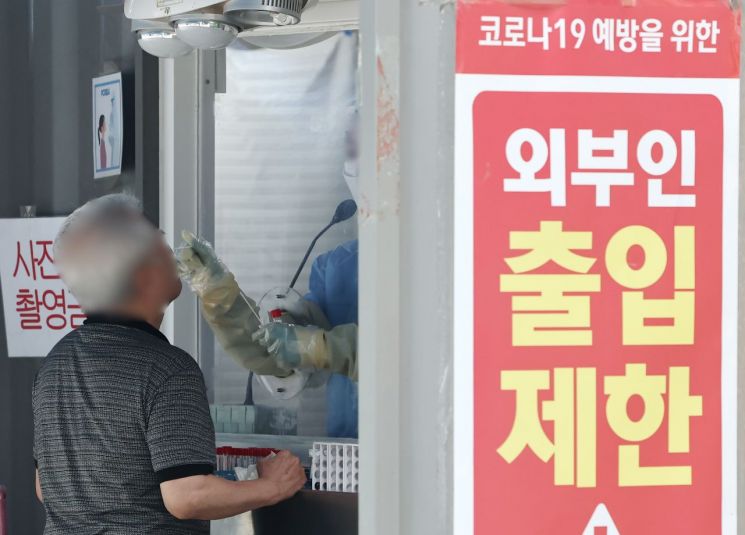
According to the Korea Disease Control and Prevention Agency (KDCA) on the 2nd, following the legislative notice last month on the 24th to lower the COVID-19 infectious disease classification from level 2 to level 4, the KDCA director revised the notification yesterday, and the amended Infectious Disease Control and Prevention Act, which allows designation of level 4 infectious diseases, was promulgated at the Cabinet meeting.
Health authorities plan to fully implement the ‘COVID-19 Crisis Stage Adjustment Roadmap Phase 2’ once the infectious disease classification is downgraded. Mask-wearing, which was the only remaining mandate in hospitals and infection-vulnerable facilities, will change to a recommendation, and the comprehensive tally of confirmed COVID-19 cases will be discontinued. COVID-19 tests, which previously cost about 5,000 KRW at local clinics, will switch to out-of-pocket expenses, requiring patients to pay around 40,000 to 50,000 KRW going forward. The increased patient burden may lead to more ‘hidden confirmed cases.’ Support payments such as COVID-19 living support funds and paid sick leave will also be discontinued.
The problem is that a winter-level COVID-19 outbreak is occurring in midsummer. From the 25th to the 31st of last month, the number of confirmed COVID-19 cases was 45,529, a 17% increase compared to the previous week (38,802 cases). This marks five consecutive weeks of increase. On the 26th, 57,220 cases were recorded, the highest number in six months since January 11 (54,315 cases). The causes of this COVID-19 resurgence include the easing of preventive measures such as lifting mask mandates on public transportation and quarantine obligations, waning immunity, and the dominance of the new variant XBB1.5. Health authorities expect the spread of COVID-19 to continue for the time being.
Professor Lee Jae-gap of the Department of Infectious Diseases at Hallym University Gangnam Sacred Heart Hospital pointed out, “If the payment for COVID-19 testing and treatment is made non-reimbursable as planned in the August easing measures, it would be like releasing a wild horse in places with vulnerable patients such as hospitals and infection-vulnerable facilities,” adding, “COVID-19 cannot yet be treated like the flu.” Professor Eom Jung-sik of the Department of Infectious Diseases at Gachon University Gil Medical Center said, “For hospitals and infection-vulnerable facilities where high-risk COVID-19 groups gather, it is necessary to keep mask-wearing mandatory for the time being,” and “the authorities need to issue easing messages cautiously.” Health authorities maintain that considering the decrease in fatality and severity rates, the current medical capacity is sufficient to respond.
The specific timing for implementing Phase 2 of the COVID-19 Crisis Stage Adjustment Roadmap will be decided after gathering expert opinions from the National Infectious Disease Crisis Response Advisory Committee (Advisory Committee). If there is no disagreement within the Advisory Committee, it is likely to take place around mid-month.
A member of the Advisory Committee stated, “Although confirmed COVID-19 cases continue to rise, the risk has decreased as the number of severe and critical patients remains in the 100s despite the easing of various preventive measures, so most committee members believe there is no problem entering Phase 2,” but added, “If public anxiety is high, postponing the implementation should also be considered.”
© The Asia Business Daily(www.asiae.co.kr). All rights reserved.

















