KAIST Research Team Introduces Microbial Systems Metabolic Engineering Worldwide
Domestic researchers have attracted international attention by proposing food, seasoning, and cosmetic production techniques using microorganisms as alternatives to resolve the instability of food supply chains caused by climate change and war.
The Korea Advanced Institute of Science and Technology (KAIST) announced on the 26th that a research team led by Kyungrok Choi, Research Professor at the BioProcess Research Center, and Sanghyup Lee, Distinguished Professor in the Department of Bio and Chemical Engineering, published a paper titled 'Systems Metabolic Engineering of Microorganisms for Food and Cosmetic Production' in the international journal Nature Reviews Bioengineering.
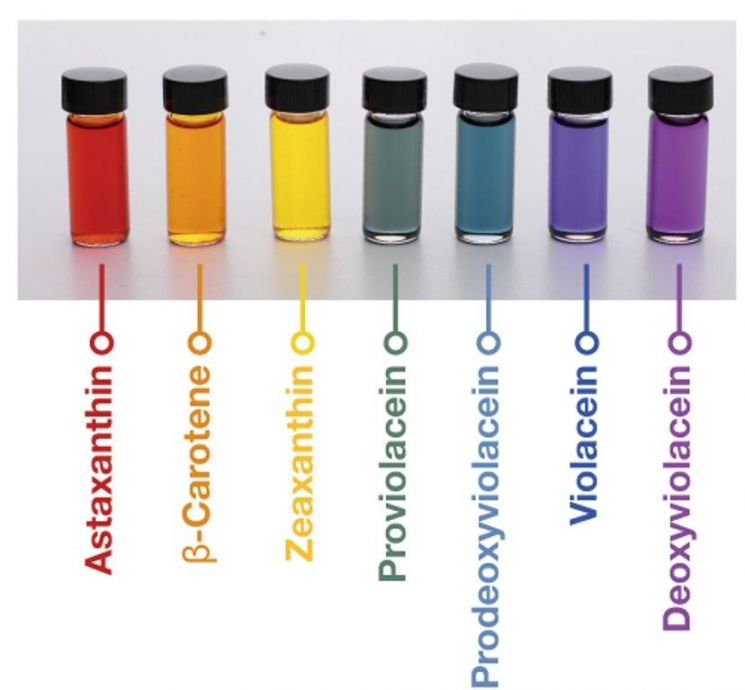
Systems metabolic engineering is a research field founded by Professor Choi to more effectively develop microbial cell factories, which are key to the bioindustry that can replace the petrochemical-dependent traditional chemical industry. The research team has applied systems metabolic engineering strategies to develop numerous high-performance microbial cell factories that produce various food and beauty compounds, including heme iron and zinc protoporphyrin IX?natural substances that enhance the flavor and color of alternative meats; lycopene and β-carotene?functional natural pigments widely used in food and cosmetics; and methyl anthranilate?a grape-derived compound commonly used to impart grape aroma in food and beverage manufacturing.
This paper comprehensively reviews the development cases of remarkable microbial cell factories capable of producing amino acids and proteins, fats and fatty acids, vitamins, flavorings, pigments, alcohols, functional compounds, and other food additives used in various foods and cosmetics. Furthermore, it summarizes and proposes diverse systems metabolic engineering strategies that can accelerate the development of industrial microbial cell factories capable of producing a wider range of food and beauty compounds in an eco-friendly and economically viable manner.
For example, by producing nutritionally valuable proteins or amino acids through microbial fermentation processes using non-edible biomass currently utilized as animal feed or fertilizer, it can contribute to increasing global food production and ensuring stable supply. Moreover, by reducing dependence on animal proteins such as in alternative meat development, it can help decrease greenhouse gas emissions and environmental pollution caused by livestock farming and fish aquaculture. Additionally, vanillin and methyl anthranilate, which provide vanilla and grape aromas respectively and are widely added to various foods, are mostly derived from petrochemical substances because natural products isolated and purified from plants have low production volumes and high costs.
These substances can also be produced in an eco-friendly and human-friendly manner by harnessing the power of microorganisms. Carmine (cochineal pigment), extracted from the cochineal insect that inhabits only specific cacti and added to red lipstick or strawberry-flavored milk, hyaluronic acid?which can aid skin beauty but is extracted from rooster combs or bovine eyes?and omega-3 fatty acids, widely consumed as health supplements but extracted from shark or fish livers, can all be produced ethically and environmentally through microorganisms.
Professor Choi said, “Foods produced with the help of microorganisms, such as traditional fermented foods like kimchi and yogurt, as well as cocoa butter?the raw material for chocolate that can only be obtained by fermenting cocoa beans?and monosodium glutamate, a seasoning produced through microbial fermentation, are already familiar to us,” adding, “In the future, we will be able to encounter a wider variety of foods and cosmetics produced in an eco-friendly and sustainable way through microbial cell factories more easily in our daily lives.”
© The Asia Business Daily(www.asiae.co.kr). All rights reserved.
![Clutching a Stolen Dior Bag, Saying "I Hate Being Poor but Real"... The Grotesque Con of a "Human Knockoff" [Slate]](https://cwcontent.asiae.co.kr/asiaresize/183/2026021902243444107_1771435474.jpg)
















