Final Selection of Secondary Battery Cathode Material Specialized Complex
Hydrogen Fuel Cell Cluster Passes Preliminary Feasibility Study, Double Celebration
Pohang, which has written the history of the global steel industry, is now creating a new history for South Korea's future new industries.
Pohang City has simultaneously attracted large-scale national projects in the secondary battery and hydrogen sectors, which are future growth engines and strategic industries for energy innovation.
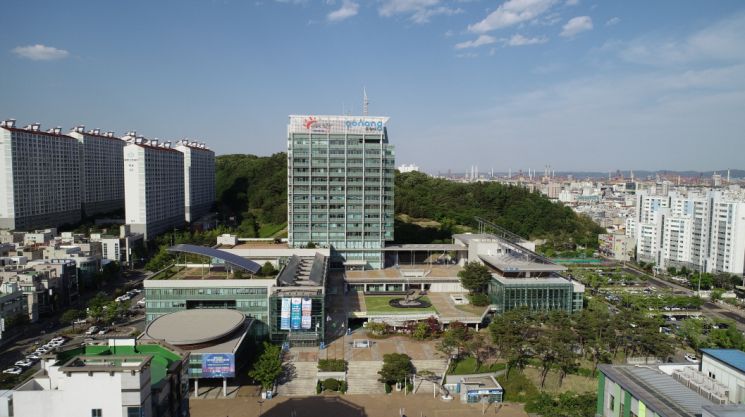
On the 20th, Mayor Lee Kang-deok held a press conference at Pohang City Hall and announced that the 'Secondary Battery Cathode Material Industry Specialized Complex' had been finally selected and that the 'Hydrogen Fuel Cell Power Generation Cluster Construction Project' had passed the preliminary feasibility study, both of which have been diligently pursued to foster new core growth industries and lead the global market.
Mayor Lee said, "Today's achievement is the result of cooperation among Pohang City, Gyeongbuk Province, political circles, local communities, and citizens to nurture sustainable future food industries," adding, "I express my gratitude to all, including Pohang citizens, the economic and industrial sectors, education, social organizations, companies, and central government agencies, who united with passionate aspirations."
Accordingly, Pohang plans to combine the city's accumulated strength and capabilities to open a new future as a secondary battery and hydrogen city that drives South Korea's innovative growth and leap to a global super-gap and world-class powerhouse.
At the 3rd National Advanced Strategic Industry Committee chaired by the Prime Minister on the 20th, the designation of 'National Advanced Strategic Industry Specialized Complexes' was deliberated and approved, selecting four regions including Pohang in the secondary battery sector.
This specialized complex designation aims to secure a global super-gap in national advanced strategic industries by comprehensively evaluating △whether leading companies are present △new investment plans △potential for industrial ecosystem development △regional balanced development, with Pohang reportedly receiving the highest evaluation among competing local governments.
During this process, Mayor Lee Kang-deok attended the strategic presentation evaluation for the national advanced strategic industry specialized complex designation even while undergoing medical treatment and directly answered questions from the judges, emphasizing the justification and necessity of Pohang's designation.
Pohang has established an optimal secondary battery industry ecosystem centered on leading companies such as EcoPro and POSCO Future M, holding an unrivaled position as the global market leader in cathode materials, attracting large-scale corporate investments worth 14 trillion won, and securing world-class R&D infrastructure, specialized personnel, and global logistics infrastructure.
The Pohang specialized complex is a 'Cathode Material Specialized Complex,' the most important material in the entire secondary battery industry value chain, and the high-nickel cathode materials produced in Pohang boast world-class technology.
Designated over approximately 11 million square meters (3.47 million pyeong) in the Yeongilman Industrial Complex and Blue Valley National Industrial Complex areas, Pohang will receive extensive and diverse policy support benefits. This includes customized support such as rapid processing of permits, killer regulation reforms, tax and budget support, and industrial complex infrastructure including water supply, electricity, and wastewater treatment facilities.
With this specialized complex designation, Pohang is expected to receive benefits worth trillions of won, invigorate the regional economy through new settlements and expansion investments by secondary battery companies, secure new growth engines, and create jobs leading to population inflow.
Pohang aims to become the world's largest production base for cathode materials, a core secondary battery material, by achieving 1 million tons of cathode material production, 70 trillion won in sales, and 15,000 jobs by 2030, thereby becoming the global number one city in secondary batteries.
Pohang will also actively pursue the realization of an eco-friendly industrial city by establishing a hydrogen city foundation.
The 'Gyeongbuk Pohang Hydrogen Fuel Cell Power Generation Cluster Construction Project,' jointly promoted by Pohang City, Gyeongbuk Province, and the Ministry of Trade, Industry and Energy, has passed the preliminary feasibility study by the Ministry of Economy and Finance.
The hydrogen cluster will be established within the Pohang Blue Valley National Industrial Complex over five years from 2024 to 2028 with a total project cost of 189 billion won. It is expected to play a central role in expanding employment effects related to regional new industries and advancing the domestic fuel cell industry ecosystem.
The cluster consists of △a 'Corporate Agglomeration Core' where hydrogen fuel cell-related companies reside △a 'Component and Material Performance Evaluation Core' equipped with fuel cell certification evaluation equipment and corporate experimental facilities △a 'Fuel Cell Demonstration Core' with a testbed capable of demonstrating 4 MW of fuel cells at once.
The hydrogen cluster project was planned as a regional hydrogen cluster creation project for full-cycle hydrogen industry development after five metropolitan local governments including Gyeongbuk were selected in the Ministry of Trade, Industry and Energy's hydrogen convergence complex demonstration project in 2019, and was selected as a preliminary feasibility study project by the Ministry of Economy and Finance in August 2021.
Pohang is a cluster specialized in the hydrogen fuel cell industry, which generates electricity using hydrogen, and after collaboration among government agencies including the Ministry of Trade, Industry and Energy and Gyeongbuk Province, as well as industry, academia, and research institutions, the project was refined and modified, ultimately passing the preliminary feasibility study about four years after its initial planning.
Pohang expects to invigorate the regional economy with the attraction of 70 related companies and an employment inducement effect of 3,600 people. It plans to leap forward as an eco-friendly hydrogen city by expanding hydrogen energy infrastructure such as designation as a fuel cell-centered hydrogen specialized complex, attraction of a large-scale hydrogen fuel cell power plant, establishment of a blue-green hydrogen demonstration commercialization base, and construction of a hydrogen complex terminal.
With the simultaneous passage of the preliminary feasibility studies, the secondary battery and hydrogen industries are expected to become Pohang's new future food industries and representative industries.
Mayor Lee Kang-deok said, "There were many difficulties until the attraction of the specialized complex and the passage of the cluster preliminary feasibility study, but thanks to the passion and earnestness of all 500,000 Pohang citizens working together, we were able to achieve this result," adding, "We will successfully promote the secondary battery specialized complex and hydrogen cluster, the hearts of the new energy innovation industry, and open a new future for South Korea in Pohang."
© The Asia Business Daily(www.asiae.co.kr). All rights reserved.

















