Jung-gu, First Seoul District to Open Conflict Communication Room in February, Mediating Conflicts Among Residents
Facilitating Dialogue Between Parties, Mediation, and Proposing Reasonable Solutions to Improve Residents' Lives
While Mediating Conflicts, Also Providing Welfare Services, Job Connections, and Pet Training Program Guidance
Listening to the Difficulties of Elderly Living Alone Can Sometimes Resolve Long-standing Conflicts Naturally
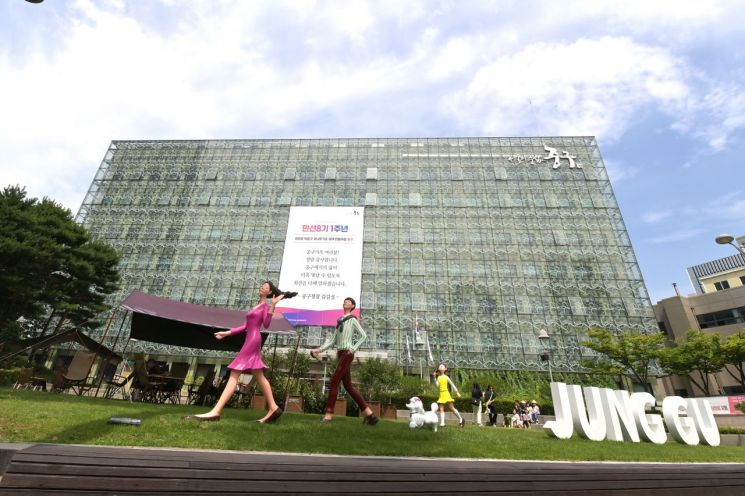
Jung-gu, Seoul (Mayor Kim Gil-seong) has become the first district in Seoul to open a Conflict Communication Room to mediate conflicts among residents.
When issues arise between neighbors, it is ideal for the parties involved to resolve them amicably through dialogue, but often emotions escalate, deepening the rift. Conflicts can develop into mental health issues, disrupting daily life.
The district meets with residents who have experienced confrontation and discord, facilitating dialogue over 2 to 3 months and providing reasonable solutions through mediation. As the district sincerely assists in matters that no one else had addressed, residents gradually open their hearts.
From February to the end of June, a total of 33 neighbor conflict cases were received, with counseling and mediation completed for 16 of them. Among these, noise between floors accounted for 8 cases, the most frequent issue.
Other issues mainly disrupting community life included 7 cases of water leakage, 3 cases related to pets, and 3 cases concerning smoking problems.
Various welfare services of the district are effectively utilized during the conflict resolution process. In one case, while addressing noise between floors, a resident suffering from domestic violence was protected.
The district cooperated with the local community center and welfare team to find temporary housing for the victim. Employment information was also provided with the help of the Job Plus Center.
When handling a case where a neighbor’s dog barked excessively causing discomfort, the district introduced its
It is generally assumed that noise between floors comes from the apartment directly above, but this is not always the case. An elderly resident in her 80s living in Jungnim-dong said, “I couldn’t sleep because of the noise from a swinging door. I knocked on the door of the Conflict Communication Room. With the cooperation of the management office, the source of the noise was found to be the side unit of the downstairs neighbor. After replacing the wheels of the swinging door in that unit, the elderly resident was able to sleep comfortably.”
There are many sewing factories in the Sindang-dong area. Even in homes, sewing machines are operated, transmitting vibrations directly to neighbors. When visiting the household, they said, “I cannot stop working because it is my livelihood.” After hearing their difficult situation, the district tried various methods to reduce the noise. They succeeded in reducing the noise by separating the furniture supporting the sewing machine and changing its location.
When visiting residents suffering from noise between floors, some are elderly living alone. Spending the whole day lonely, when the conflict resolution team visits, they open up about personal stories. The staff’s attentive listening alone helps “untie the knots,” and the residents express their gratitude. When staying quietly at home, even small sounds become sensitive. Becoming a companion and ‘listening’ can be the starting point for a solution.
When conflicts between neighbors are resolved in this way, an ‘Agreement for Neighborly Happiness’ is written. Although it has no legal binding force, it is a process to confirm the commitment to continue mutual concession and consideration.
Conflict Mediator Lee Su-hyeok said, “I feel the greatest reward when I see the residents’ much brighter faces after the conflict has calmed down. Long-standing issues cannot be resolved overnight, but if you do not give up and listen to both sides, a moment comes when both sides make small concessions and find common ground.”
Previously, Jung-gu established the first Conflict Management Team among Seoul districts in August last year. In January this year, it signed a business agreement with Dankook University Dispute Resolution Research Center (Director Ga Sang-jun) and Seoul YMCA Neighbor Dispute Mediation Center (Representative Joo Geon-il), both specialized conflict management organizations.
Going forward, to manage conflicts more effectively, the district plans to form and operate a Conflict Management Deliberation Committee and a Village Conflict Mediation Support Group. Communication education to prevent disputes and conflicts among neighbors will also begin from the 25th by visiting apartment complexes and other residential areas. Outstanding cases will be collected and widely shared by the end of the year.
Mayor Kim Gil-seong said, “Over the past year, we have built a foundation for resolving conflicts among residents and actually mediated conflicts. The entire process itself was ‘welfare’ for the residents. We hope that even long-standing conflicts that individuals cannot resolve on their own will be gradually resolved through Jung-gu’s mediation, allowing residents to find health, peace, and happiness in their daily lives.”
© The Asia Business Daily(www.asiae.co.kr). All rights reserved.

















