Participation Rate in Vocational Training Stands at 32%
Additional Income Generation is the Most Common in Training Fields
About 30% of working citizens in their 40s living in Seoul expect to be able to work until retirement age.
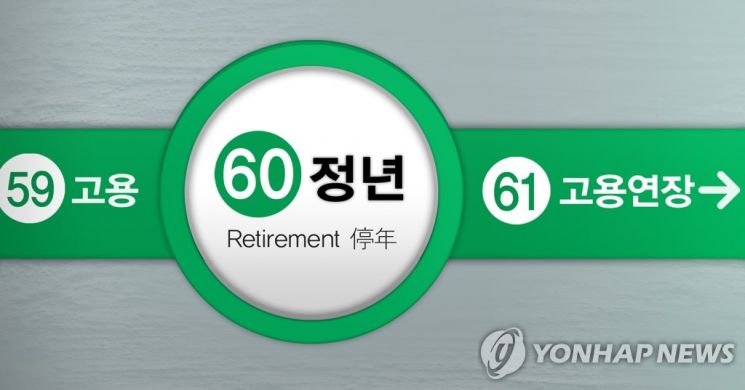
On the 13th, according to Yonhap News and the Seoul 50 Plus Foundation, the foundation conducted a survey on the "current job outlook" targeting 1,189 wage and non-wage workers aged 40 to 49 residing in Seoul.
As a result, only 402 people (33.8%) answered that they are confident they will work at their current workplace until retirement age.
Those who responded that they can work as long as they want regardless of retirement age were 69 people (5.8%), and even combined, the total does not reach 40%.
The expected period to work at the current workplace was most commonly 10 years or more at 34.0%. This was followed by ▲5 years or more but less than 10 years (28.1%) ▲2 years or more but less than 5 years (22.7%) ▲1 year or more but less than 2 years (10.3%) ▲less than 1 year (4.9%).
"Lack of information and time"... Vocational training participation rate 31.7%
The foundation also conducted a "demand survey on vocational competency development" targeting 1,248 citizens aged 40 to 49 who are economically active, including these respondents.
Among all respondents, the participation rate in vocational training was only 31.7% (395 people).
Among 853 people who had no experience in vocational training, 253 (29.7%) said they did not participate due to lack of program information, 212 (24.8%) cited difficult training schedules, and 206 (24.1%) answered that busy schedules prevented them from participating.
Regarding the desired direction for support program operation, the most common request was "programs provided at times that do not overlap with working hours" (39.6%). Other requests included ▲job change and career transition programs considering industry demand (16.9%) ▲startup-specialized programs (14.3%) ▲customized programs by job type (14.3%).
The most desired vocational training field was additional income generation (571 people, 45.7%), followed by career transition (343 people, 27.5%) and vocational competency enhancement (185 people, 14.9%).
In particular, 48.9% of survey participants also responded that they prefer programs that combine online and offline formats.
The foundation plans to use the results of this survey to design support policies for workers and job seekers in their 40s.
© The Asia Business Daily(www.asiae.co.kr). All rights reserved.

















