ESS-Stored Renewable Energy Electricity, Electric Vehicle Charging Available
Renewable Energy Electricity Storage and Sales Business Also Included in New Electricity Business
A path has opened for electricity produced from renewable energy sources, including solar power, to be sold directly to consumers. Electric vehicles will also be able to be charged using renewable energy. As demand for ESS (Energy Storage Systems) is expected to increase significantly following the stagnation after the 2019 fire incident, the related market is anticipated to grow. Battery manufacturers such as LG Energy Solution and Samsung SDI, as well as ESS companies like LS ELECTRIC, are expected to benefit.
According to the National Assembly on the 6th, the Industry, Trade, and Small and Medium Venture Business Committee passed an amendment to the Electricity Business Act at a plenary meeting the day before, which includes provisions to classify renewable energy electricity storage and sales business as a new electricity business.
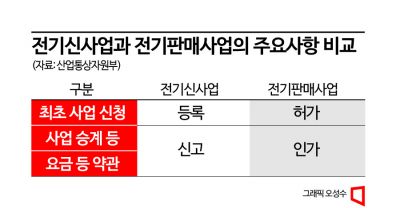
Currently, electricity is effectively monopolized and sold by Korea Electric Power Corporation through the Korea Power Exchange. To foster and support new electricity industries, the government has classified automobile charging businesses, small-scale power brokerage businesses, and renewable energy electricity supply businesses as 'new electricity businesses,' allowing them to start operations through registration rather than licensing. Additionally, renewable energy electricity suppliers are permitted to sell electricity without going through the power market.
The amendment includes the 'renewable energy electricity storage and sales business,' which stores surplus renewable energy in ESS and sells it, as part of the new electricity business, allowing direct sales to electricity users such as the power market or electric vehicles. This subjects the business to regulations that are much more relaxed than those for general electricity sales businesses.
It also includes provisions for storing electricity produced from renewable energy in ESS and then using it to charge electric vehicles. This method allows EV charging stations to store solar renewable energy and supply electricity directly. Until now, renewable energy sources like solar and wind power have been criticized for their volatility due to unpredictable weather, but now there is a path to store energy in ESS and sell it directly to the power market or electric vehicles.
As a result, demand for ESS to store renewable energy is expected to increase significantly. Dr. Kim Kwangcheon of Energy Valley Enterprise Development explained, "After the ESS fire, small-scale operators were in a dire state, but the passage of this bill allows renewable energy to be sold stably. It means that the renewable energy storage and sales business, which was previously applied only in the Gwangju Regulatory Free Zone, is now possible nationwide."
This amendment is a merged alternative bill originally proposed separately by Lee Yong-bin of the Democratic Party and Noh Yong-hoo of the People Power Party, and it is pending systematic and textual review by the Legislation and Judiciary Committee and a plenary session.
Initially, there were some concerns during the National Assembly standing committee discussions. According to the Industry Committee review report, Lee’s bill was pointed out for having "unclear aspects regarding verification of whether the electricity stored in ESS was produced using renewable energy." Since the energy stored in ESS is linked to renewable energy generation facilities, verifying this is not easy. Noh’s bill raised issues about whether purchase obligations could be imposed on electric vehicles, as the current Power Purchase Agreement (PPA) system imposes supply obligations on producers and purchase obligations on consumers. This issue was resolved during the Industry Committee subcommittee discussions by establishing separate PPA-related regulations.
Kim Sung-hwan, a Democratic Party member who reviewed the bill in the subcommittee, said, "This law will be quite helpful in solving the intermittency problem, which has been pointed out as a gap in renewable energy. Energy produced when renewable energy is in surplus can be stored instead of being cut tail (output limited) and used for charging electric vehicles." He also added, "Solar power operators and others currently need certain permits to charge electric vehicles, but now they can bypass the power market and go directly through ESS, which will lead to the emergence of various small-scale electric vehicle charging stations in local areas."
© The Asia Business Daily(www.asiae.co.kr). All rights reserved.

















