Used as a key ingredient in zero-calorie drinks
WHO "May cause cancer in humans"
As the 'zero sugar' trend extends beyond beverages, dairy products, and snacks to alcoholic drinks, the World Health Organization (WHO) is reportedly set to classify aspartame, a key ingredient in zero sugar products, as a carcinogen.
On the 29th (local time), major foreign media outlets cited sources saying that the artificial sweetener 'aspartame' is expected to be included in the list of 'carcinogenic substances' classified by the International Agency for Research on Cancer (IARC), under the WHO, next month. This would be the first time aspartame is classified as 'possibly carcinogenic to humans (Group 2B)'.
The highest risk category, Group 1, includes substances that are 'carcinogenic to humans,' such as tobacco, asbestos, dioxins, benzo[a]pyrene, and processed meats. Just below that, Group 2A includes 'probably carcinogenic to humans' substances like red meat, high-temperature fried foods, nitrogen mustard, and urethane.
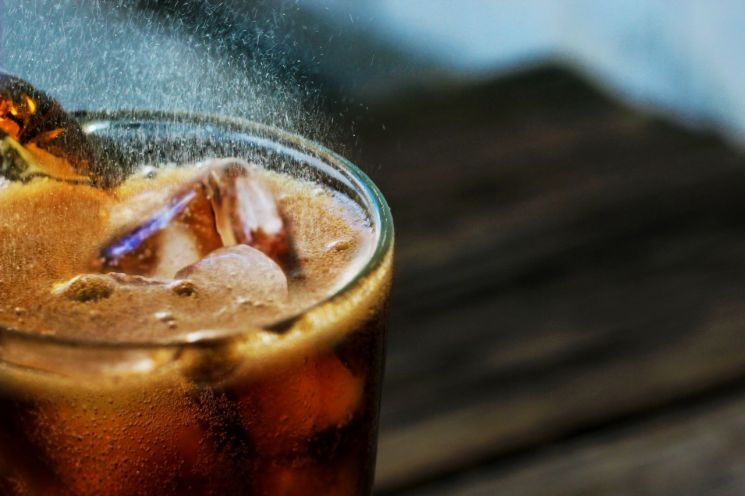
Aspartame, known to be 200 times sweeter than sugar, is a key ingredient in beverages like 'zero cola.' Discovered in 1965, it has recently gained attention as an alternative to sugar and has been widely used in candies, gums, and more. However, there have been concerns about insufficient research on its risks.
Major foreign media reported that the IARC's decision on aspartame, finalized after a meeting of external experts earlier this month, aims to determine whether the substance is potentially hazardous based on all publicly available evidence. The decision reportedly did not consider what constitutes a safe intake level.
The WHO's Joint Expert Committee on Food Additives (JECFA) is also expected to announce safety consumption standards on the same day as the IARC. Since 1981, JECFA has maintained that aspartame is safe when consumed within the daily intake limits.
For example, an adult weighing 60 kg would need to drink 12 to 36 cans of diet soda daily, depending on the aspartame content, to be at risk. However, if IARC classifies aspartame as Group 2B, there is a high possibility that JECFA's standards will also change.
Earlier in May, WHO issued new recommendations advising against the use of artificial sweeteners for weight control. This was to raise awareness of potential risks associated with the increasing addition of artificial sweeteners to foods.
The artificial sweeteners named by WHO include well-known substances such as saccharin, stevia, and aspartame, as well as sucralose, neotame, acesulfame potassium, and cyclamate. Artificial sweeteners are listed under the ingredient names on the back of products.
IARC classifies the carcinogenicity of chemicals and other environmental factors to humans into five groups. Group 2B, where aspartame is classified, indicates limited human data and insufficient animal experimental data.
Given the significant popularity of products marketed as 'zero calorie,' the beverage industry is expected to strongly oppose this classification.
© The Asia Business Daily(www.asiae.co.kr). All rights reserved.

















