The inflation fire that has been holding back the Australian economy is subsiding. As the inflation rate slows down, expectations for the end of tightening are emerging in the market. However, the Reserve Bank of Australia (RBA) is still expected to continue raising interest rates to achieve a downward stabilization of prices.
On the 28th (local time), the Australian Bureau of Statistics (ABS) announced that the consumer price inflation rate for May was 5.6% year-on-year. This is 1.2 percentage points lower than the previous month (6.8%) and significantly below the market forecast (6.1%). It is also the lowest rate in 13 months since April last year.
Michelle Marquardt, head of price statistics at ABS, analyzed, "Although prices of goods and services are still rising, the rate of increase has slowed compared to several months ago," adding, "This inflation rate is the lowest since April last year."
The slowdown in inflation in May was mainly driven by a decrease in fuel costs. During this period, fuel prices fell by about 8%. On the other hand, housing costs such as rent (8.4%), food (7.9%), and services (6%) still recorded increases in the 6-8% range. This means that the burden of high prices on ordinary people remains.
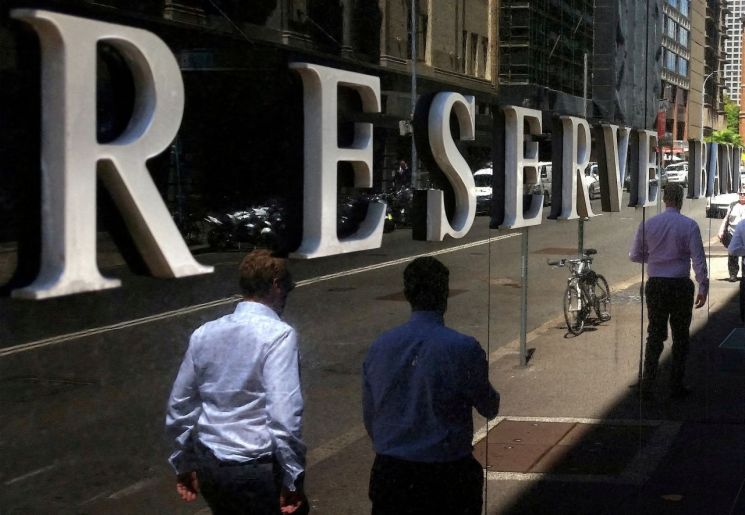
Bloomberg reported, "Although inflation is cooling down, the slowdown may stall again, so it is unlikely to immediately affect the RBA's interest rate decisions."
With the labor market still strong and rising real estate rents, additional inflationary pressures exist. Brandon Lyn, chief economist at accounting firm KPMG, said, "The inflation indicators falling more than expected is evidence that interest rates have nearly peaked," but added, "Given the very strong labor market, the possibility of further rate hikes remains open."
The rise in real estate rents due to immigration policies aimed at economic stimulus after the end of the COVID-19 pandemic is also negative for inflation slowdown prospects. Jonathan McMenamin, chief economist at Australian financial investment firm BaronJoy, predicted, "Since the factors driving inflation are concentrated in real estate, it will take considerable time to return to the target range of 2-3%."
To curb inflation soaring above 8%, the RBA raised the benchmark interest rate from a historic low of 0.1% to 4.1% through 12 hikes since May last year. Although rates were held steady for two consecutive months in March and April, concerns about entrenched high inflation grew as prices did not slow down significantly. Consequently, rate hikes resumed in May and June.
Tom Kennedy, economist at JP Morgan Australia, said, "The urgency of inflation has decreased, but it shows signs of staying too high for too long, so the RBA still has work to do," and predicted, "There will be two more rate hikes in July and August." The Reserve Bank of Australia will hold a monetary policy meeting on the 4th of next month to decide on interest rate hikes.
© The Asia Business Daily(www.asiae.co.kr). All rights reserved.

















