LCR Regulation Gradually Normalized... Some Easing Measures Extended Until Year-End
Bank Bond Issuance Management Criteria Relaxed from Monthly to Quarterly
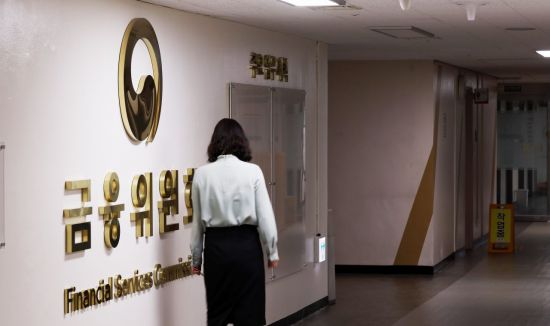
The financial authorities will end some of the temporary liquidity regulation relaxation measures this month. Since October last year, the financial authorities have implemented temporary easing measures on liquidity regulations to address the tightening in the corporate bond and short-term financial markets. Following an extension decision in March, these measures have been maintained until the end of this month.
On the morning of the 20th, the Financial Services Commission held a financial market issue review and communication meeting chaired by Standing Commissioner Kwon Dae-young, together with the Financial Supervisory Service, the Bank of Korea, and the Korea Financial Investment Association, and made this decision.
Accordingly, the relaxation measures on banks' loan-to-deposit ratio (KRW loans/KRW deposits), credit provision limits between holding companies and subsidiaries, and insurance retirement pension borrowing limits will return to normal starting next month.
The banks' Liquidity Coverage Ratio (LCR) will also begin a phased normalization from next month through December by applying a 95% ratio. The regulatory ratio for next year will be decided again at the end of this year, considering market conditions.
The LCR is the ratio of high-quality liquid assets to the expected net cash outflows over 30 days. To respond to the COVID-19 crisis, the financial authorities lowered the LCR from the existing 100% to 85%. During last year's normalization process, when the funding market tightened, the LCR was maintained at 92.5% until the end of June this year.
The Financial Services Commission extended some financial regulation flexibility measures further in preparation for the possibility of increased uncertainty.
Considering excessive deposit competition among savings banks and the real estate project financing (PF) market situation, the relaxation measures on savings banks' loan-to-deposit ratio, credit card companies' KRW liquidity ratio and real estate PF handling limits, and the inclusion ratio of credit card bonds within hedge assets for equity-linked securities (ELS) by financial investment companies will be extended until the end of this year.
The Financial Services Commission stated, "Considering the stable market situation and the financial sector's capacity to respond, financial companies can manage without extending the financial regulation flexibility measures. However, if unexpected financial market crises occur due to changes in domestic and external conditions, we will actively consider necessary measures such as postponing normalization or lowering regulatory ratios and implement them promptly."
At the meeting, a plan to ease the management standards for bank bond issuance volume was also discussed. Currently, bank bonds are issued within 125% of the monthly maturing amount to alleviate the burden on the bond market. From July, the management standard will be adjusted from a monthly to a quarterly basis.
Additionally, supplementary measures to improve banks' liquidity ratios will be implemented, such as recognizing collateralized receivables from securities lending transactions (ownership transfer) related to derivative transactions as high-quality liquid assets when calculating the LCR.
Regarding the delinquency rates in the financial sector, the financial authorities said, "Delinquency rates may decrease once the tightening monetary policy ends and the economy and real estate market recover," but added, "For the time being, pressure on delinquency rates to rise may increase, so we will manage delinquency rates more actively."
Through on-site inspections of the secondary financial sector, including savings banks, credit card companies, and mutual finance institutions, where delinquency rate increases have been relatively large, active management and clearance of delinquent loans will be encouraged. Plans are also in place to respond to credit contraction among low-credit borrowers caused by rising delinquency rates through the supply of financial services for low-income households.
© The Asia Business Daily(www.asiae.co.kr). All rights reserved.

















