Fifteen universities, including Yonsei University Mirae Campus and Pohang University of Science and Technology, have been provisionally selected for the 'Glocal University' project, which will receive 100 billion KRW in government funding over five years (19 universities including joint applicants).
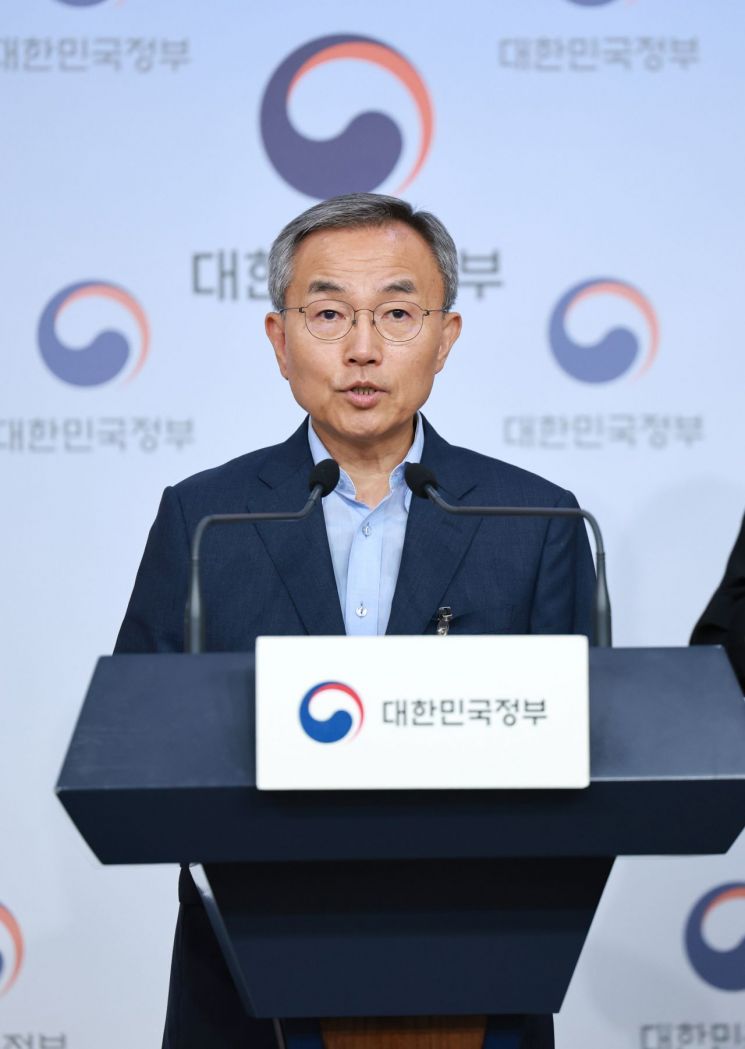
The Ministry of Education and the Glocal University Committee announced on the 20th that a total of 15 innovation plans were selected in the 2023 Glocal University preliminary designation evaluation.
A total of 108 universities submitted 94 innovation plans by the application deadline last month. Among them, 27 universities jointly applied with 13 plans on the premise of integration.
The provisionally selected universities are ▲Kangwon National University and Gangneung-Wonju National University ▲Gyeongsang National University ▲Pusan National University and Pusan National University of Education ▲Sunchon National University ▲Soonchunhyang University ▲Andong National University and Gyeongbuk Provincial College ▲Yonsei University Mirae Campus (branch) ▲University of Ulsan ▲Inje University ▲Chonnam National University ▲Chonbuk National University ▲Chungbuk National University and Korea National University of Transportation ▲Pohang University of Science and Technology (POSTECH) ▲Handong Global University ▲Hallym University, totaling 15 institutions.
When considering the universities that applied jointly separately, there are 19 universities; by establishment type, there are 8 national/public universities (12 including joint applicants) and 7 private universities.
This preliminary designation evaluation was conducted by the Korea Research Foundation, which formed an evaluation committee composed of experts from academia and industry to ensure fairness and professionalism.
The evaluation areas included innovation, performance management, and regional characteristics. According to the Ministry of Education, the evaluation comprehensively assessed how organically the proposed tasks are linked to bring about overall university transformation and how much they can influence national-level university reform.
The Ministry of Education stated that the analysis of the 94 submitted innovation plans revealed that most universities are concerned with responding to rapid demographic and industrial structural changes and aligning with global trends such as convergence and transformation.
Specifically, many universities proposed ▲no-department, no-grade, no-major systems ▲breaking down barriers between universities, local governments, research institutes, and companies ▲attracting international students ▲innovating open university governance.
Additionally, universities pointed out the need for a total of 337 regulatory reforms for innovation, mainly focusing on academic flexibility such as removing barriers between disciplines and improving rigid faculty systems.
In this regard, the Ministry of Education plans to promote regulatory improvements and implement inter-ministerial linked projects such as attracting international students for regional settlement and diversifying cooperation between universities, local governments, and industries. They will also pursue amendments to the Enforcement Decree of the Higher Education Act to improve regulations that cause internal barriers or hinder cooperation between universities and industries.
The Ministry of Education will also support innovation efforts regardless of Glocal University designation by providing access to general financial support projects, the Regional Innovation-Centered University Support System (RISE) budget, and will prepare support measures for attracting foreign students and adult learners.
They will research and analyze the tasks contained in the 94 Glocal University innovation plans and conduct expert forums and policy research based on this.
The 15 innovation plans of the provisionally designated universities selected this time will be published on the Ministry of Education’s website.
Objections to the evaluation results can be submitted until the 30th of this month, and the review results will be finalized in July.
The provisionally designated universities must submit an implementation plan detailing the tasks in the innovation plan together with local governments and regional industries by September. Based on this evaluation, around 10 Glocal Universities will be finally selected in October.
© The Asia Business Daily(www.asiae.co.kr). All rights reserved.

















