The 'Nesi' Legend Lasting Over 1500 Years
Documentary Produced by BBC
Loch Ness, home to Scotland's legendary monster 'Nessie,' has recorded such low water levels due to the heatwave that parts of the riverbed are visible.
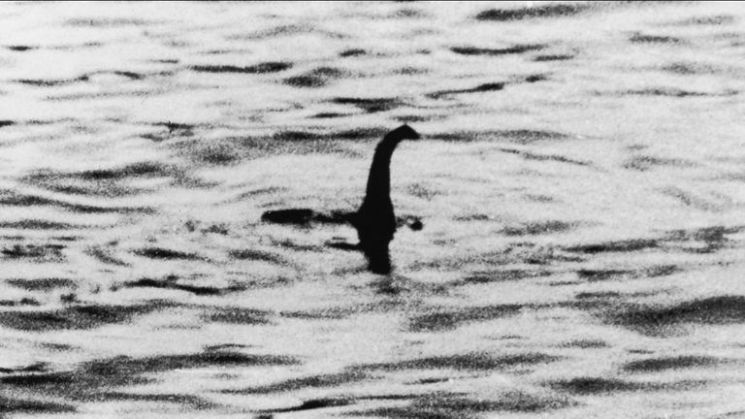
According to British media including the BBC on the 18th, the water level of Loch Ness in northern Scotland reached a record low in May, the lowest in 32 years. British media reported, "The record-breaking heatwave and drought could solve the legend of Loch Ness." This means the bottom of Loch Ness is exposed, potentially revealing whether Nessie inhabits the lake.
Loch Ness is a freshwater lake located in the Highland region of northwest Scotland, approximately 37 km long and 2 km wide. It is about 230 meters deep and is known to be home to salmon.
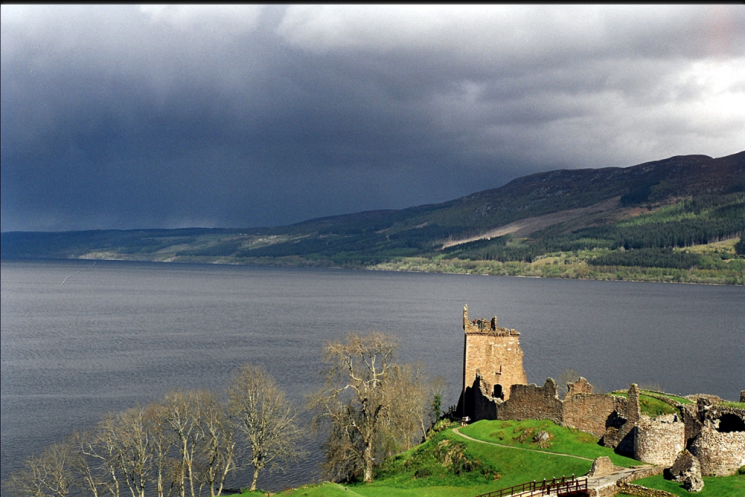 Loch Ness, home to the legendary monster "Nessie" representing Scotland, has recorded such low water levels due to the heatwave that parts of the lakebed are visible.
 [Photo by Wikipedia]
Nessie is a legendary monster said to inhabit Loch Ness, boasting a history of over 1,500 years since a 6th-century sighting by an Irish abbot. The legend gained momentum on April 14, 1933, when a British couple claimed to have seen a large, black, dinosaur-like creature while driving past the lake. In modern times, manipulated photos have circulated, and claims of Nessie's existence have continued to spread.
In response, in 2003, the BBC's "In Search of the Loch Ness Monster" production team conducted 600 sonar tests and thoroughly scanned Loch Ness using GPS technology but found no evidence of a giant creature like Nessie.
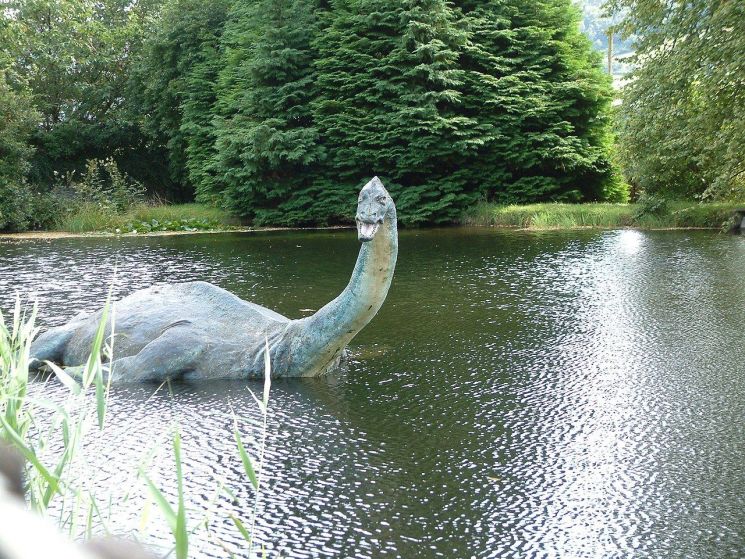 Nessie is a legendary monster said to inhabit Loch Ness, boasting a legend spanning over 1,500 years since a 6th-century sighting by an Irish monastery abbot. The legend gained momentum particularly on April 14, 1933, when a British couple claimed to have seen a large, black, dinosaur-like creature in the lake while driving by car.
 [Photo by Wikipedia]
According to the BBC, rainfall in the area where Loch Ness is located was only about one-third of the average. As a result, local farms used large amounts of lake water for pumped storage power generation. Locals who believe in the Nessie legend, known as 'Nessie hunters,' reacted by saying, "If the lake continues to dry up, Nessie might really stick its head out of the lake."
© The Asia Business Daily(www.asiae.co.kr). All rights reserved.



















