Self-Employed Complain of Dine-and-Dash Damage
CCTV Disclosure, Possible Legal Disputes
"If It Were That Bad" - "Indiscriminate Disclosure Should Not Happen"
Recently, a so-called 'Muk-twi' incident that caused controversy at restaurants in Bucheon and Incheon, Gyeonggi Province, was revealed to be a mistake by the business owners, sparking debate over the indiscriminate release of closed-circuit television (CCTV) footage.
On the 24th of last month, a sashimi restaurant in Incheon posted CCTV footage on an online community, claiming that two customers who visited the store left without paying about 90,000 won for their meal, and reported the incident to the police.
 The issue is that uploading videos or photos online without the consent of the parties involved, where an unspecified number of people can view them, may lead to legal disputes. In particular, posting materials that can identify individuals without permission may constitute a violation of the Personal Information Protection Act or defamation.
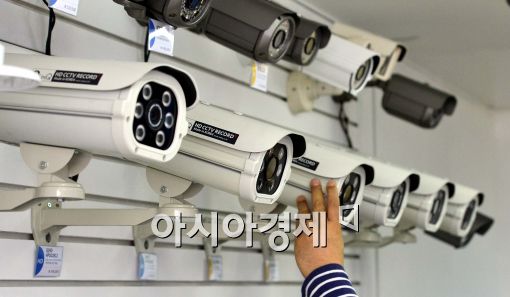
 The photo is not related to the specific content of the article.
[Photo by Asia Economy DB]
However, it was found that the customers had paid for their food at the time, and the staff had mistakenly charged another customer's bill. After deleting the post, the restaurant apologized, saying, "We have been mentally exhausted after experiencing consecutive Muk-twi incidents, and we did not expect the post written in a moment of frustration to spread like this."
The problem is that the two customers appearing in the footage have already been stigmatized online as Muk-twi customers due to the CCTV release. Additionally, there have been cases where customers who left without paying later visit the store to pay after the CCTV footage is made public and then protest against the release.
According to a restaurant owner in Bucheon, on the 5th at around 6:50 p.m., a group of four men visited the store, had a meal worth about 93,000 won, and then left without paying.
The owner posted a story along with a photo with the customers' faces mosaicked on an online community on the 13th, saying, "I hope many people will help." However, the post was deleted two days later. In a phone interview with Yonhap News, the owner said, "After the news spread, one of the customers came to the store saying they didn't know they hadn't paid and paid the bill."
He added, "I posted the message after waiting for a week, but I received complaints," expressing his frustration.
Self-Employed Business Owners: "Releasing CCTV Footage Is a Last Resort"
 Recently, the so-called 'meoktwi' incident that caused controversy at restaurants in Bucheon and Incheon, Gyeonggi Province, was revealed to be a mistake on the part of the business owners, raising concerns about the indiscriminate release of closed-circuit television (CCTV) footage.
 [Photo by Asia Economy]
Releasing CCTV footage showing customers is a last resort that can be taken when there is a case of dine-and-dash.
A restaurant owner running a barbecue place said, "Customers can just pay later, but business owners suffer the loss until they receive the money," adding, "How frustrated must one be to even release CCTV footage?"
The problem is that posting videos or photos online without the consent of the parties involved, where an unspecified number of people can see them, may lead to legal disputes. Especially, posting materials that can identify individuals without permission may violate the Personal Information Protection Act or constitute defamation.
Even if the owner installed the device in their own store, CCTV operation is restricted under the provisions related to the installation and operation of video information processing devices (CCTV) under the Personal Information Protection Act. According to these provisions, CCTV managers must take measures such as placing notice boards that include the purpose and location of installation so that the monitored individuals can easily recognize them.
Furthermore, collecting and using CCTV footage or providing it to third parties without the consent of the parties involved can be recognized as personal information leakage and invasion of privacy, punishable by up to five years in prison or a fine of up to 50 million won.
© The Asia Business Daily(www.asiae.co.kr). All rights reserved.

















