A no-confidence motion against the Kishida Fumio Cabinet, submitted to the Japanese House of Representatives (Lower House), was rejected.
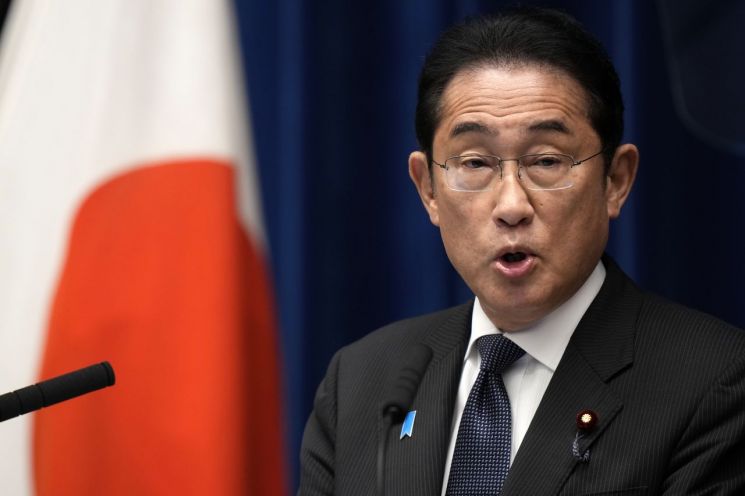
According to local media such as Kyodo News and NHK, the Constitutional Democratic Party, the main opposition party, submitted the no-confidence motion on the grounds that the Kishida Cabinet failed to present adequate measures to curb soaring prices despite pushing for tax increases to expand defense spending. They also argued that the government is unfit to hold power as cases of incorrectly registered accounts linked to the Japanese version of the resident registration card, the "My Number Card," have repeatedly surfaced, demanding the cabinet’s prompt resignation.
However, as expected, the no-confidence motion was rejected in the House of Representatives plenary session due to opposition votes from the ruling Liberal Democratic Party and its coalition partner, the Komeito Party. Currently, the Japanese House of Representatives has a total of 465 seats (with 1 vacant seat), with the ruling coalition holding a majority of 294 seats?262 for the LDP and 32 for Komeito. Although the Constitutional Democratic Party is the main opposition with 97 seats, the Communist Party (10 seats) supported the motion. Other parties, including Nippon Ishin no Kai (41 seats) and the Democratic Party for the People (10 seats), opposed it, resulting in the motion’s rejection.
Prime Minister Kishida reportedly instructed LDP Secretary-General Motegi Toshimitsu the day before to ensure the no-confidence motion was defeated and also requested cooperation from Komeito leader Yamaguchi Natsuo.
Some speculate that the Constitutional Democratic Party submitted the no-confidence motion as a strategy to consolidate support through a possible dissolution of the House of Representatives and a general election, following diplomatic successes such as the G7 summit held last month in Hiroshima, which boosted the Kishida Cabinet’s approval ratings. However, Prime Minister Kishida stated the day before that "there are no plans for dissolution during this session," indicating a focus on policy implementation for the time being. In a telephone survey conducted by NHK from the 9th to the 11th targeting 1,208 citizens aged 18 and over, 40% of respondents said it would be better not to hold an early dissolution and general election until the House of Representatives’ term expires in October the year after next.
© The Asia Business Daily(www.asiae.co.kr). All rights reserved.
!["The Woman Who Threw Herself into the Water Clutching a Stolen Dior Bag"...A Grotesque Success Story That Shakes the Korean Psyche [Slate]](https://cwcontent.asiae.co.kr/asiaresize/183/2026021902243444107_1771435474.jpg)
















