19 Cases of Severe Fever with Thrombocytopenia Syndrome (SFTS) Reported This Year
Beware of Tsutsugamushi Disease and Lyme Disease as Well
With the outdoor activity season underway, the number of patients with tick-borne infectious diseases has been increasing recently. According to the Korea Disease Control and Prevention Agency on the 14th, 19 cases of Severe Fever with Thrombocytopenia Syndrome (SFTS) have been reported since early April in Jeonnam this year. Among them, three patients in their 60s and 80s died. Since the first case was reported in Korea in 2013, a total of 1,716 people have been infected with SFTS, resulting in 320 deaths. The fatality rate is 18.6%.
SFTS is mainly transmitted when bitten by the small soft tick carrying the virus from April to November. It is known domestically as the so-called “killer tick.” It survives by sucking the blood of host animals, including humans, and transmits the disease during this process. In Korea’s temperate climate, it inhabits all regions. After being bitten, symptoms such as high fever, vomiting, and diarrhea appear following an incubation period of 4 to 14 days. The high fatality rate of SFTS is due to the lack of vaccines or treatments and the fact that many elderly patients are infected while working in home gardens.
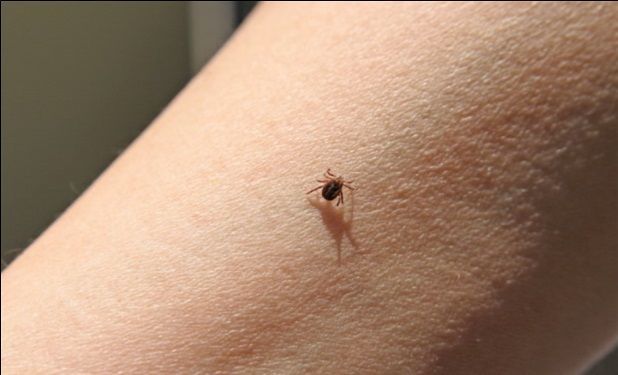
Scrub typhus and Lyme disease also require caution. Scrub typhus is contracted when bitten by larvae of the chigger mite infected with Orientia tsutsugamushi bacteria. Initial symptoms include headache, chills, and muscle pain, followed by rashes spreading to the limbs. It is the most common tick-borne infectious disease in Korea, with 6,235 cases last year and 467 cases so far this year. Lyme disease occurs when bacteria residing in the tick’s intestines enter the bloodstream. Although 10 to 20 cases are reported annually in Korea, the United States, where it is endemic, sees 20,000 cases.
In the past, tick-borne infectious disease patients were concentrated among those aged 60 and over living in rural areas. However, since the COVID-19 pandemic, with the spread of camping and hiking culture, cases have also appeared in large cities and among younger people. The Disease Control Agency emphasized, “When engaging in outdoor activities in grassy areas, wear long sleeves or apply repellents.” Above all, avoiding tick bites is the best prevention. After returning home, showering and separately washing clothes are necessary due to the risk of ticks remaining on clothing.
If you see a tick attached, the U.S. Centers for Disease Control and Prevention (CDC) recommends using tweezers to grasp the tick as close to the skin surface as possible and remove it. This is because the tick’s mouthparts are firmly embedded in the skin. The Disease Control Agency urged, “If symptoms of tick-borne infection appear within 1 to 2 weeks after outdoor activities, seek immediate medical treatment.”
© The Asia Business Daily(www.asiae.co.kr). All rights reserved.
![User Who Sold Erroneously Deposited Bitcoins to Repay Debt and Fund Entertainment... What Did the Supreme Court Decide in 2021? [Legal Issue Check]](https://cwcontent.asiae.co.kr/asiaresize/183/2026020910431234020_1770601391.png)