As demand for jeonse (long-term lease) recently shows signs of recovery, the proportion of jeonse contracts for apartments in Seoul has exceeded 60% for two consecutive months.
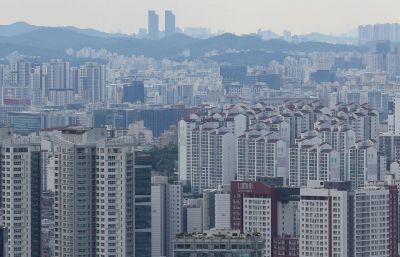
According to the Seoul Real Estate Information Plaza on the 6th, out of 20,134 apartment jeonse and wolse (monthly rent) transactions in Seoul in April (based on contract dates as of the 6th), pure jeonse contracts accounted for 12,329 cases, representing 61.2%. Following 61.5% in March, the jeonse ratio has remained above 60% for two consecutive months.
The jeonse ratio for Seoul apartments had recorded 61.6% in November 2021 but dropped to the 50% range due to last year’s interest rate hikes, hitting a low of 47.7% in December. The sharp decline in jeonse last year was influenced by consecutive interest rate increases combined with government loan regulations, which led to increased demand for wolse instead of jeonse.
However, recently the ratio has surpassed 60%, indicating a recovery trend. This is interpreted as a result of jeonse prices falling sharply due to last year’s interest rate hikes, leading to a rise in short-term jeonse transactions similar to the sales market this year.
In particular, since March, the loan interest rates at commercial banks have stabilized downward, lowering the barriers for jeonse loan financing again. The interest rate on jeonse loans, which exceeded 6% last year, has now dropped to the high 3% to mid-4% range. The jeonse-to-wolse conversion rate applied when converting jeonse deposits to monthly rent was 4.8% in Seoul as of March, which is higher than the jeonse loan interest rate.
Not only apartments but also non-apartment housing have seen an increase in the jeonse ratio. According to the Supreme Court’s Registry Information Plaza, the jeonse ratio for housing in Seoul rose from 40% in February to 44% in March and 47% in April. Experts predict that, similar to the sales market, the accumulated urgent sale inventory has been resolved, so it will be difficult for jeonse demand to continue increasing going forward.
© The Asia Business Daily(www.asiae.co.kr). All rights reserved.
![Clutching a Stolen Dior Bag, Saying "I Hate Being Poor but Real"... The Grotesque Con of a "Human Knockoff" [Slate]](https://cwcontent.asiae.co.kr/asiaresize/183/2026021902243444107_1771435474.jpg)
















