Increase in Tourists Leads to Surge in Misconduct
129 Expelled This Year Alone
Bali, Indonesia's largest tourist destination, has been troubled by misbehavior from tourists and has finally created and distributed an etiquette guide outlining what to observe when traveling locally.
According to local media such as The Jakarta Post on the 4th (local time), the Bali authorities have been handing out a guide titled 'Dos and Don'ts' to foreign tourists arriving at the airport since this month, asking them to respect Bali's culture and environment and to follow the rules.
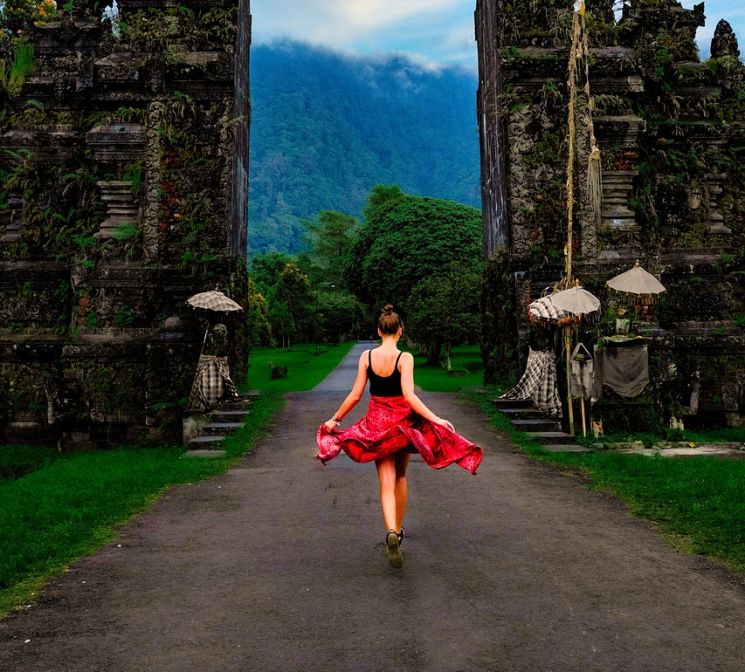
The guide mentions 'dress code' in both the dos and don'ts sections. The Bali government emphasizes that tourists must dress neatly and appropriately, especially when visiting sacred sites, tourist attractions, and public places, where suitable attire is required. Additionally, when entering temples, traditional clothing must be worn, and tourists are not allowed to enter the sacred areas inside temples except for prayer purposes.
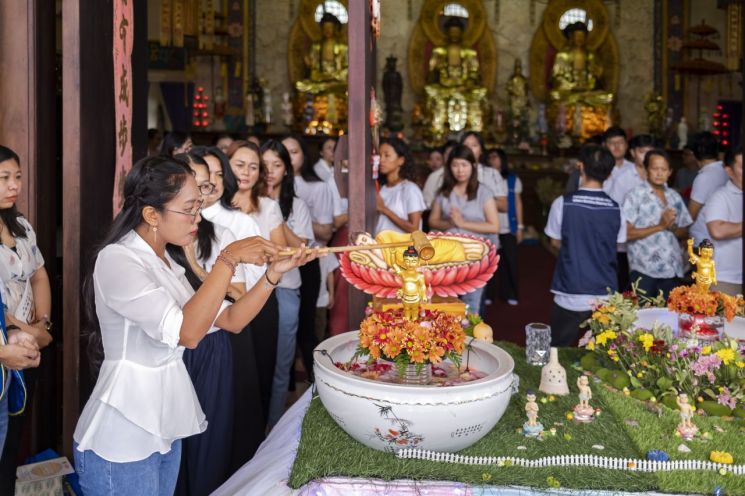 People are participating in a commemorative event and performing a ritual at a temple in Denpasar, Bali, Indonesia.
 Tourists must not engage in acts that disrespect sacred sites, holy places, temples, pratimas (sacred objects inside temples), or religious symbols. This includes climbing sacred trees or holy buildings, taking photos while wearing inappropriate clothing or without clothing.
The reason the Bali government is particularly concerned about tourists' attire is due to a series of recent incidents related to this issue. In March, a Russian male tourist was caught climbing Mount Agung, known as Bali's sacred site, naked. In April, a Russian female fashion designer was deported for taking nude photos on a 700-year-old banyan tree at Babakan Temple. Last month, a German female tourist was arrested for stripping and intruding during a traditional ceremony at a temple in Bali.
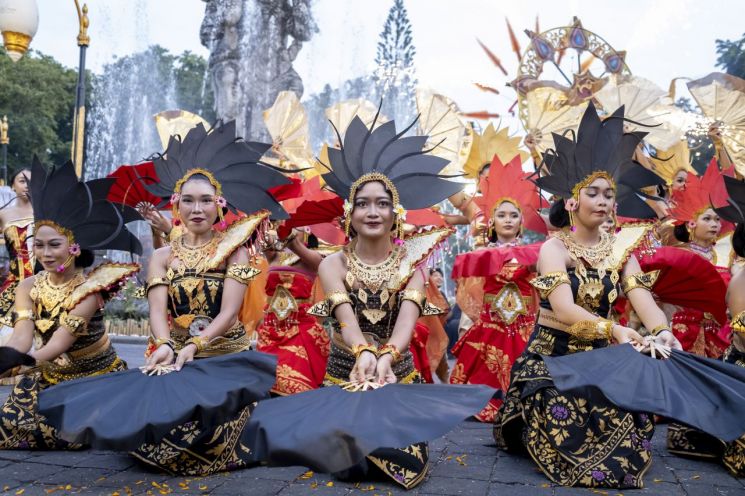
According to the guide, tourists must not use single-use plastics such as plastic bags, polystyrene (Styrofoam), or plastic straws in Bali. The trade of flora and fauna, cultural assets, sacred objects, and illegal drugs is also prohibited. Furthermore, tourists must not use abusive language, rude behavior, or aggressive actions toward locals such as officials or other tourists, and they are not allowed to engage in profit-making activities without a legal visa.
As the COVID-19 pandemic subsides, the Bali government expects over 4.5 million foreign tourists to visit this year alone. Wayan Koster, Governor of Bali, said, "The number of foreign tourists behaving inappropriately or not complying with visa rules in Bali has increased, leading us to create this guide. Bali is a tourist destination based on a long-standing culture, and we hope tourists will maintain dignity."
© The Asia Business Daily(www.asiae.co.kr). All rights reserved.



















