Hyundai-Kia Car Thefts Surge, Leading to Multiple Class Actions
Media Criticizes, "Shouldn't Criminal Crackdown Come First?"
Some U.S. cities, including Seattle and New York, have filed lawsuits against Hyundai and Kia over a series of vehicle theft incidents, drawing criticism from local media.
Bernard Goldberg, a former CBS reporter, wrote in an article for the congressional news outlet The Hill on the 2nd (local time), “Would you blame a company that makes delicious cakes for people gaining weight?”
Last year in the U.S., a so-called ‘Hyundai-Kia car theft’ challenge spread like a trend on social media (SNS), mainly among teenagers, becoming a social issue. Hyundai and Kia vehicles, which lacked anti-theft devices, became prime targets for theft.
As the damage surged, prosecutors from 18 states nationwide sent a letter to federal authorities urging an official recall of the affected vehicles. They also filed class-action lawsuits, claiming the sale of defective cars. So far, more than 20 class and administrative lawsuits have been filed across the country.
Ultimately, Hyundai and Kia announced on the 18th that they had reached a compensation agreement with the victims. The compensation plan includes free software updates, cash compensation for damages not covered by insurance, and costs for purchasing anti-theft devices. Additionally, owners whose vehicles cannot receive software upgrades will receive up to 400,000 KRW in additional cash compensation. The total cost of compensation is estimated at $200 million (approximately 270 billion KRW).
Goldberg criticized this, saying, “Progressive cities run by the Democratic Party thought it was easier to take strong action against car companies than to crack down on car thieves. Because anti-crime policies might seem harsh.”
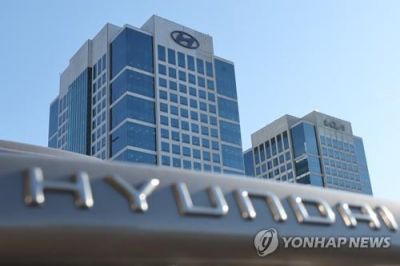
He mentioned the cities that filed lawsuits, stating, “They filed lawsuits citing reasons such as ‘vehicle theft is a serious threat to public safety,’” and added, “Blaming the company that made cars easy to steal instead of blaming the criminals might have seemed like a joke just a few years ago, but it is no longer a joke.”
He continued, “Will progressive cities sue pharmacy chains for displaying items on shelves accessible to looters?” and questioned, “Is looting the fault of the looters, or the fault of the pharmacy operators who made it easy to loot?”
He also said, “By this logic, one could argue that if snacks didn’t taste good, there wouldn’t be a problem with obesity in the U.S. If you can’t refuse to eat cookies and cakes, or if stealing from stores is too easy and you did so, let me know. You might be able to get millions of dollars in settlements through class-action lawsuits.”
Earlier, The Wall Street Journal (WSJ) also pointed out in an editorial on the 15th of last month, “It’s good that progressive cities are paying attention to crime issues, but why not target the criminals themselves rather than the stolen goods?”
Meanwhile, even after Hyundai and Kia implemented free software updates to strengthen vehicle security, theft problems involving Hyundai and Kia cars reportedly continue. Approximately 8 million Hyundai and Kia vehicles known to be vulnerable to theft exist in the U.S., but only about 7% of these vehicles have received the software upgrade.
© The Asia Business Daily(www.asiae.co.kr). All rights reserved.

















