Jeong Woo-taek, Deputy Speaker of the National Assembly, Leads Proposal to Amend the Attorney Act
Prohibits Disclosure and Submission Requests of Work Materials Between Lawyers and Clients
A bill to amend the Attorney-at-Law Act, which substantively guarantees the rights assisted by attorneys, has been proposed.
On the 2nd, Jeong Woo-taek, a member of the People Power Party (Vice Speaker of the National Assembly, Cheongju Sangdang District), introduced a partial amendment to the Attorney-at-Law Act that prohibits anyone from demanding the disclosure or submission of communications between attorneys and clients regarding their duties, or documents and materials prepared by attorneys for clients, except in cases where the client consents. The bill also stipulates that documents or materials collected in violation of this provision cannot be used as evidence.
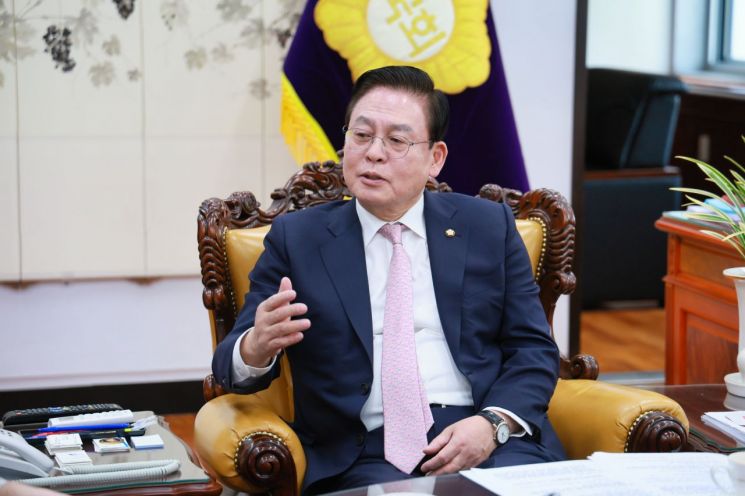
The current law only regulates attorneys' duty of confidentiality, prohibiting attorneys or former attorneys from disclosing secrets learned in the course of their duties. However, there is no explicit provision granting the right to refuse the disclosure of communications or documents exchanged between attorneys and clients.
Nevertheless, concerns have been raised about investigative agencies seizing or searching the computers, smartphones, or offices of attorneys who have assisted suspects, or coercing attorneys to voluntarily submit evidence, thereby collecting and using such evidence. This is seen as effectively infringing on the constitutionally guaranteed right of clients to receive assistance from their attorneys.
Accordingly, the amendment stipulates that no one shall demand the disclosure or submission of communications between attorneys and clients regarding their duties, or documents and materials prepared by attorneys for clients. However, exceptions are made for cases where ▲ the client consents, ▲ there are special provisions in the law, or ▲ the attorney needs to defend their rights in disputes arising between the attorney and the client.
© The Asia Business Daily(www.asiae.co.kr). All rights reserved.

















