Seoul St. Mary's Hospital Professor Kim Seungjae's Team
Increased Risk for Women, Under 50, and Middle Class
As the COVID-19 crisis level was downgraded to 'alert' and the country effectively entered an endemic phase (periodic outbreak of infectious diseases), a study revealed that adult depression in South Korea increased during the COVID-19 pandemic.
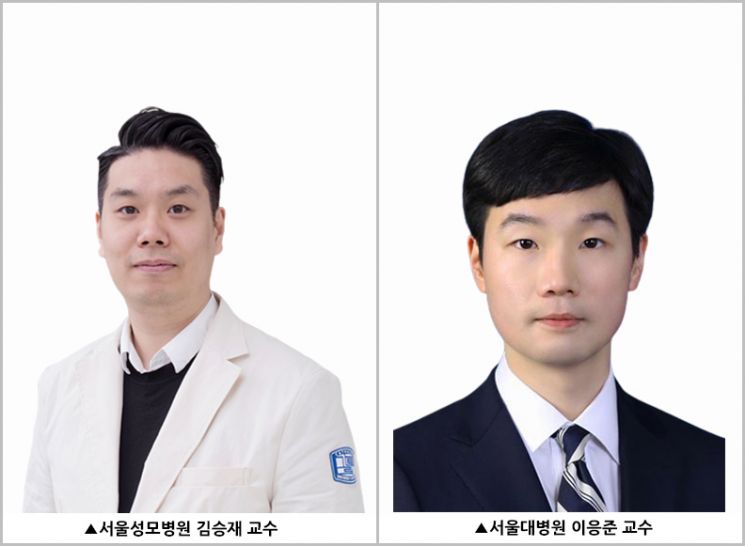
Professor Kim Seung-jae from the International Medical Center (Department of Family Medicine) at Catholic University Seoul St. Mary’s Hospital and Professor Lee Eung-joon from the Department of Neurology at Seoul National University Hospital announced on the 1st that the prevalence of severe depression during the COVID-19 pandemic (global pandemic) approximately doubled compared to before.
The research team analyzed data from the 2018 and 2020 Korea National Health and Nutrition Examination Survey, which included results from the depression health questionnaire (PHQ-9). They analyzed samples of 5,837 people in 2018 and 5,265 people in 2020. Depression was defined as a PHQ-9 total score of 10 or higher.
As a result, the prevalence of depression during the pandemic period (2020) was 5.2%, which was significantly higher compared to 4.3% before the pandemic (2018). In particular, the prevalence of severe depression with scores of 20 or higher doubled. When analyzing factors affecting depression, higher risks of depression onset were found among women, those under 50 years old, the unemployed, middle-to-high household income groups, medical aid recipients, those with poor subjective health status, and current smokers.
Professor Kim Seung-jae explained, “Looking at the causes by risk factors during the pandemic, for women, increased childcare and household burdens due to school closures, remote classes, and family members’ COVID-19 infections seem to have led to increased feelings of depression.” He added, "For those under 50 years old, the sudden reduction in active social activities appears to have made them more vulnerable to depression onset. Additionally, middle-to-high income groups who suddenly faced economic difficulties due to the COVID-19 situation showed a relatively higher risk of depression onset compared to low-income groups who had already been experiencing financial hardships before COVID-19.”
Professor Kim continued, “Based on these analysis results, more attention to individual mental health is necessary in the event of similar pandemics in the future, and especially active social policy support is needed for groups vulnerable to the onset of depressive symptoms.”
This study was published in the March issue of the Journal of Korean Medical Science (JKMS, IF=5.354), an international journal of the Korean Medical Association.
© The Asia Business Daily(www.asiae.co.kr). All rights reserved.

















